
Owning an electric vehicle is a sound choice for those looking for a cleaner, more efficient mode of transportation.
Electric vehicles require less maintenance than traditional gas cars because they have fewer moving parts and do not need oil changes.
However, there are still some key areas where EVs need regular attention to ensure optimal performance.
One crucial area of EV maintenance is the battery.
Keeping the battery cool is important, so many electric vehicles require coolant replacement about every five years or 100,000 miles.
Additionally, EVs use regenerative braking, which means their brakes wear out more slowly, but they still need periodic checks and brake fluid replacements.
For instance, it’s recommended to check the brake fluid in a Tesla Model 3 every four years and replace it if necessary.
Tires are another component that should not be overlooked.
Just like gas cars, electric car tires need to be rotated and aligned to ensure even wear and extend their lifespan.
Regular software updates are also important to improve the performance and safety features of the vehicle.
Understanding Electric Vehicle Maintenance
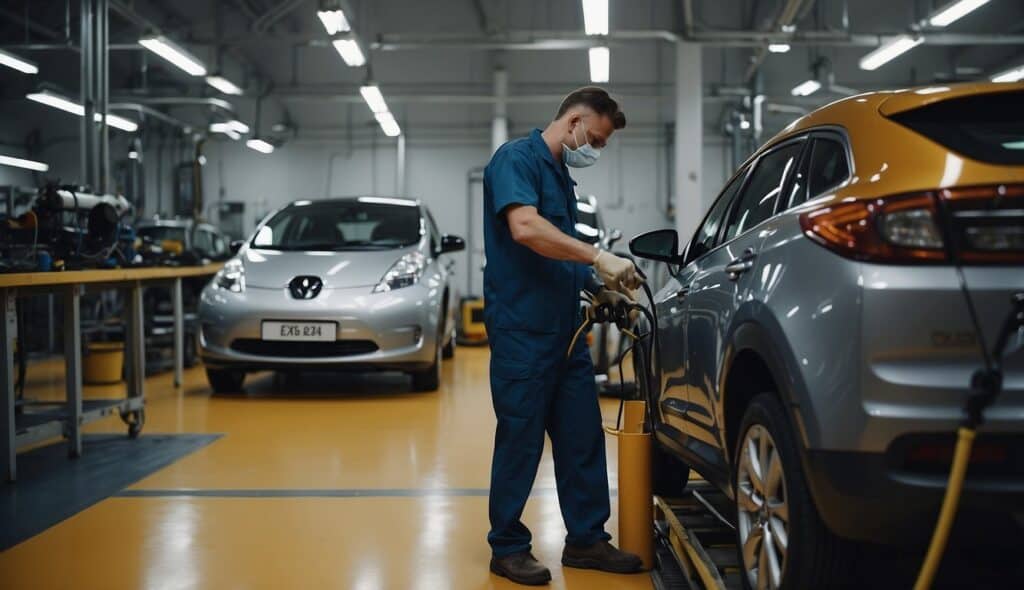
Electric vehicles (EVs) require specific maintenance routines that differ from traditional gas-powered cars. These differences arise mainly from the components unique to EVs, such as electric motors and batteries.
Difference Between EV and Gas-Powered Car Maintenance
Electric vehicles generally need less maintenance than gas-powered cars. This is due to fewer moving parts in EVs.
For example, electric motors do not require regular oil changes like internal combustion engines.
Additionally, regenerative braking systems in EVs help to extend the life of brake pads and rotors.
Electric vehicles also lack a traditional engine, gearbox, and exhaust system, which reduces the number of components that can wear out and need repair.
Importance of Regular Electric Vehicle Maintenance
While EVs have fewer components that need regular upkeep, some elements—like batteries and brake systems—still require attention.
Routine checks of an EV’s battery health are essential because battery performance affects the vehicle’s range and efficiency.
Also, tire inspections are crucial, as EVs often have more torque, which can lead to quicker tire wear.
EV Maintenance Vs. Traditional Internal Combustion Engines
The conventional internal combustion engine (ICE) vehicles require frequent maintenance tasks such as oil changes, coolant refills, and transmission service.
In contrast, EVs eliminate the need for these services, greatly reducing maintenance costs.
Thanks to regenerative braking, EV owners benefit from the reduced frequency of brake replacements.
Still, they need to monitor and maintain their coolant systems and ensure that software updates are performed to keep the vehicle running efficiently.
Check out Can You Charge an Electric Car in the Rain?
Electric Vehicle Maintenance Schedule
Electric vehicles (EVs) require maintenance for optimal performance and longevity. Key areas include battery health, tire inspection, brake system maintenance, and motor and transmission care.
Battery Health and Maintenance
The battery is crucial for an EV’s performance. Battery health impacts the vehicle’s range and lifespan.
It is essential to follow a regular maintenance schedule to prevent battery degradation.
Most EV manufacturers recommend checking the battery pack periodically.
Simple tasks like keeping the battery charged within the recommended levels can preserve battery life.
Avoid frequent fast charging as it can accelerate battery degradation.
Manufacturer software updates often include battery management improvements, so keep your vehicle’s software up to date.
Tire Inspection and Maintenance
EVs often have higher torque than gas-powered cars, making tire maintenance even more critical.
Regularly inspect tire pressure to ensure even wear and better efficiency.
Over-inflated or under-inflated tires can affect handling and range.
Rotate the tires every 10,000 miles or as recommended by the manufacturer.
Check for tire wear and damage, especially around the edges.
Regular alignment checks can also prevent uneven wear, ensuring longer-lasting tires and improved performance.
Brake System Maintenance
EVs use regenerative braking, which reduces wear on traditional brake components. This means brake pads and rotors last longer.
Despite this, regular checks are still necessary.
Check brake fluid levels and replace it as specified.
For instance, some manufacturers suggest a brake fluid replacement every 150,000 miles.
Brake system inspections help maintain stopping power and safety.
Electric Motor and Transmission Care
The electric motor and transmission in EVs are generally low-maintenance but still require attention.
Manufacturers often recommend periodic inspections to ensure optimal operation.
Inspecting the cooling system for the motor is crucial, as proper cooling ensures efficient performance.
Check for any unusual noises or vibrations, which may indicate issues needing professional service.
Regular maintenance of these components ensures the longevity and reliability of your EV.
Check out Can You Tow an Electric Car If It Breaks Down?
Fluids and Filters in Electric Vehicles
Electric vehicles (EVs) require the maintenance of specific fluids and filters to keep them running efficiently. Important components include the cooling system coolant, the cabin air filter, and the windshield washer fluid and wipers.
Cooling System and Coolant Level
EVs use a coolant to manage the temperature of their batteries and electronic systems. The coolant helps to prevent overheating, which can damage crucial components.
It is essential to check the coolant level regularly and ensure it is topped off as needed.
The coolant used in EVs typically needs replacement every few years, depending on the manufacturer’s guidelines.
For instance, some models might recommend replacing the coolant every five years.
Regular inspections and maintenance of the cooling system can help prevent costly repairs and prolong the life of the vehicle.
Cabin Air Filter Replacement
The cabin air filter in an EV keeps the interior air clean by removing dust, pollen, and other particles.
Over time, this filter gets clogged and needs replacement.
Most manufacturers suggest replacing the cabin air filter every 12,000 to 15,000 miles, but it’s best to check the owner’s manual for specific recommendations.
A clogged cabin air filter can reduce the efficiency of the HVAC system and negatively impact air quality inside the vehicle.
Ensuring timely replacement helps maintain a comfortable and clean environment for passengers.
Windshield Wipers and Fluid Maintenance
Windshield washer fluid and wiper blades are crucial for maintaining visibility while driving.
EV owners must regularly check the windshield washer fluid level and refill it with the appropriate water and washer fluid mixture.
Using the correct washer fluid ensures effective cleaning and prevents freezing in cold weather.
Wiper blades should be inspected for wear and tear and replaced if they are streaking or not cleaning effectively.
It is generally recommended to replace wiper blades every 6 to 12 months to ensure optimal performance.
Check out Where Can I Charge My Electric Car for Free?
Performance and Safety Components
Electric vehicles (EVs) require regular checks on performance and safety components to ensure smooth operation and passenger safety. Key areas include the steering and suspension systems, lights and electrical systems, and onboard software updates.
Steering and Suspension Systems
Steering and suspension systems in EVs are crucial for maintaining control and comfort.
Steering systems should be checked for proper alignment and responsiveness since misalignment can cause uneven tire wear and unsafe handling.
To guarantee a smooth ride, suspension systems, including shocks and struts, should be inspected for wear and tear.
Regular checks include:
- Aligning the steering system.
- Inspecting suspension components such as shocks, struts, and springs.
- Ensuring bushings and joints are not worn out.
These systems work together to ensure that the vehicle handles well, providing both safety and comfort to the passengers.
Lights and Electrical Systems
Lights and electrical systems are vital for vehicle safety.
Headlights, taillights, and turn signals should be checked regularly to ensure they are functioning properly and comply with road safety standards.
The electrical system should also be monitored, including the battery and charging components.
Routine maintenance includes:
- Replacing burnt-out bulbs.
- Cleaning headlight and taillight lenses.
- Ensuring wiring connections are secure and free of corrosion.
- Checking the health of the 12V auxiliary battery, which is different from the main EV battery.
Proper upkeep of these components is essential for visibility and communication with other drivers on the road.
Onboard Software Updates
Onboard software in EVs controls various aspects of vehicle performance and safety.
Regular software updates can enhance performance, resolve bugs, and introduce new features.
Most EV manufacturers, such as Tesla, provide over-the-air updates, allowing for improvements without visiting a service center.
Important aspects of software updates:
- Improving vehicle efficiency and range.
- Enhancing navigation and infotainment systems.
- Addressing any safety recalls or bug fixes identified by the manufacturer.
Check out Can You Jump Start an Electric Car?
Wear and Tear
Electric vehicles (EVs) experience wear and tear just like traditional cars. Key areas that need attention include the chassis, underbody, and various parts that may require replacement over time due to use.
Chassis and Underbody Inspection
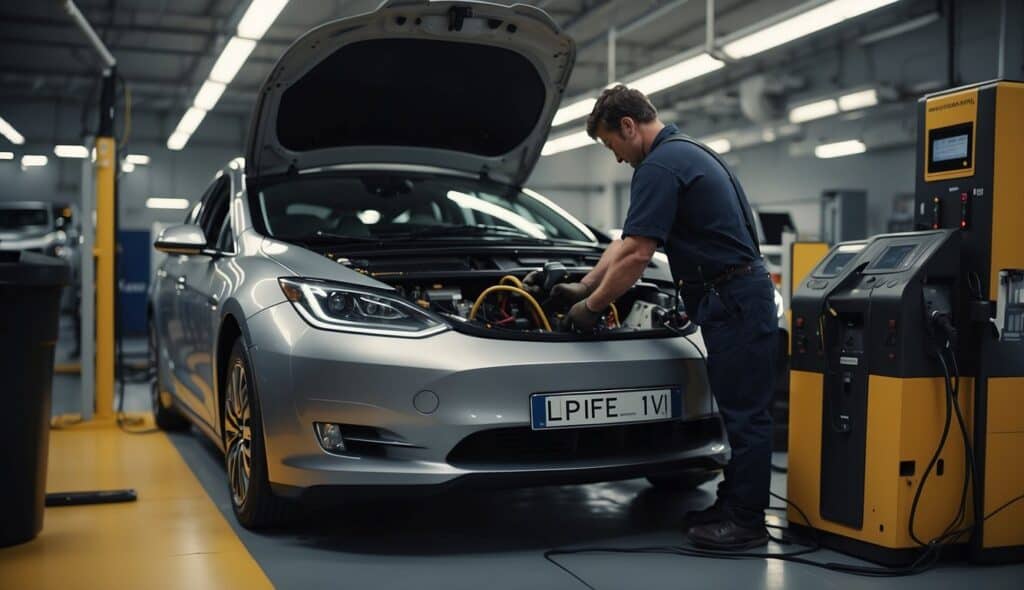
The chassis and underbody of an EV are crucial to its structural integrity and overall performance.
Regular inspections help identify any damage or corrosion. Key components to check include:
- Suspension System: Ensure all parts, like shock absorbers and struts, are in good condition.
- Brake Components: Look for wear on brake pads and rotors.
- Underbody Shielding: Inspect for rust or damage that could affect the battery pack or electrical wiring beneath the car.
Routine checks of these elements can help prevent costly repairs and ensure the vehicle remains safe to drive.
Replacement Parts and Lifespan
While EVs have fewer moving parts compared to internal combustion vehicles, some components still wear out and require replacement.
Important parts include:
- Brake Pads and Rotors: Although they last longer due to regenerative braking, they still need periodic checks and replacement as needed.
- Tires: Like all cars, tires wear down and should be replaced based on tread depth and age.
- Wiper Blades and Fluids: Regularly replace wiper blades and top-up fluids, including wiper and brake fluids.
Knowing the lifespan of these parts and planning for their replacement can help maintain the vehicle’s performance and safety.
Identifying Excess Wear and Damage
Early identification of excess wear and damage can prevent more significant issues down the line.
Areas to focus on include:
- Visual Checks: Look for visible signs of damage or wear on the body, such as dents, scratches, or rust.
- Performance Symptoms: Pay attention to any unusual noises, vibrations, or changes in handling, which could indicate problems with the suspension or other critical parts.
- Battery Health: Regular diagnostics can reveal issues with the high-voltage battery, which is central to the EV’s operation.
Observing these factors can help catch problems early, reduce repair costs, and ensure the EV remains in top condition.
Check How Long To Charge Electric Car On 110v?
Professional Servicing and DIY Maintenance
Electric vehicle (EV) owners need to stay on top of both professional servicing and at-home maintenance tasks.
While certain aspects require a trained technician, there are simple tasks that owners can do themselves to keep their vehicles running smoothly.
Choosing a Qualified Technician
When selecting a technician, it’s important to choose one specifically trained in EV maintenance.
An expert in electric vehicles understands the unique components like the battery and electric motor. They can accurately diagnose issues that a regular mechanic might miss.
Checking the technician’s certifications ensures they have been trained on the latest EV technology.
A well-trained technician is essential for maintaining the longevity and performance of the vehicle. Look for specialists who are familiar with your EV’s brand and model.
Warranty and Dealership Servicing
Many electric vehicles come with warranties that require regular service at certified dealerships.
Dealerships often employ technicians who have undergone extensive training for specific makes and models. This ensures your car is maintained according to the manufacturer’s guidelines.
Adhering to the warranty terms is crucial for avoiding unexpected repair costs.
Dealerships also have access to specialized tools and parts that may not be available elsewhere.
Always refer to the owner’s manual to understand the recommended service schedule and what is covered under the warranty.
Simple Maintenance Tasks for EV Owners
EV owners can handle several maintenance tasks themselves to keep their cars in good condition.
Regularly checking and rotating tires ensures even wear and extends their lifespan. Monitoring tire pressure is also key for optimal efficiency and safety.
Keeping the cabin air filter clean is another simple task. It helps maintain air quality inside the vehicle.
Also, minimizing exposure to extremely high temperatures can prolong battery life. Avoid using fast chargers excessively to reduce battery degradation.
By following these simple steps, owners can contribute to the overall health of their electric vehicles.
Future of EV Maintenance
Rapid technological advancements and innovations in battery and electric systems are shaping the future of EV maintenance. Automakers are constantly improving EV designs, which will significantly impact how these vehicles are maintained.
Advancements in EV Technology
As technology advances, electric vehicles are becoming increasingly efficient and easier to maintain.
Automakers like Nissan and Tesla are at the forefront, integrating self-diagnostic systems that alert owners to potential issues before they become serious problems.
For example, the Tesla Model 3 features over-the-air software updates, which can fix bugs and improve performance without a trip to the service center.
Additionally, regenerative braking, commonly found in models like the Nissan Leaf, reduces brake wear, leading to less frequent brake servicing.
As these systems evolve, the need for regular maintenance could decrease, focusing more on software and less on physical components. This shift will require technicians to have in-depth training in software systems, benefiting both the environment and vehicle longevity.
Battery and Electric System Innovations
Battery technology is crucial to the future of EV maintenance.
Significant strides are being made in battery lifespan and efficiency.
New battery designs and materials aim to reduce degradation over time, meaning longer intervals between replacements.
Companies are exploring solid-state batteries, which promise greater energy density and fewer maintenance needs. This innovation could significantly extend battery life.
Moreover, improved cooling systems are essential for maintaining battery health.
Innovations in thermal management could prevent overheating, extending both battery life and overall vehicle health.
For instance, Tesla continuously updates its battery systems to improve thermal efficiency.
Hybrid and plug-in hybrid vehicles also benefit from these advancements, as they rely on both gasoline engines and electric systems. This requires less frequent but more specialized maintenance schedules.
Automated systems will play a key role in monitoring battery health, ensuring optimal performance and longevity.
Costs Associated with Electric Vehicle Maintenance
Electric vehicles (EVs) generally have lower maintenance costs compared to internal combustion engine vehicles. According to the federal Office of Energy Efficiency and Renewable Energy, EV maintenance costs average $0.06 per mile, while traditional vehicles average $0.10 per mile.
EV owners save money mostly because EVs have fewer moving parts. Oil changes, fuel filters, spark plugs, or emission checks are unnecessary.
Common Maintenance Tasks
- Battery Maintenance: While expensive to replace, EV batteries are designed to last many years.
- Brake Maintenance: EVs use regenerative braking, reducing wear on brake pads.
- Tire Rotations: Similar to traditional vehicles, regular tire rotations are necessary.
- Coolant Top-Ups: Many EVs still require coolant for battery thermal management.
Cost Breakdown
| Maintenance Task | Estimated Cost (per year) |
|---|---|
| Battery Check | $100 – $200 |
| Brake Service | $50 – $100 |
| Tire Rotation | $30 – $50 |
| Coolant Top-Up | $50 – $100 |
| Software Updates | Often Free |
Significant Savings
Electric car owners save thousands on maintenance over the vehicle’s lifetime.
Routine maintenance should still be followed, but generally, EV maintenance costs are both predictable and lower than those for gasoline cars.
Check out Why Can’t an Electric Car Charge Itself While Driving?
Environmental Impact and Efficiency
Electric vehicles (EVs) offer significant benefits in terms of environmental impact and energy efficiency compared to traditional gas-powered vehicles. Understanding these advantages can help potential EV owners make informed decisions.
Energy Efficiency and Consumption
Electric vehicles are highly efficient at converting energy stored in batteries into motion.
While gas-powered vehicles typically achieve around 24.7 miles per gallon, EVs like the Nissan Leaf reach over 130 MPGe.
This efficiency means less energy is wasted, resulting in less fuel needed to travel the same distance.
EVs also benefit from regenerative braking systems, which capture kinetic energy usually lost during braking.
This kinetic energy is converted back into stored energy, extending the driving range. By conserving energy this way, EVs reduce overall energy consumption.
Reducing Carbon Footprint with EVs
Electric vehicles contribute significantly to reducing the carbon footprint compared to gas-powered cars.
EVs produce zero tailpipe emissions, which helps in cutting down local air pollution.
As electricity grids become greener, using more renewable energy sources like wind and solar, the environmental benefits of EVs increase.
Additionally, maintaining an EV tends to have a smaller environmental impact.
Standardized repair protocols and simpler maintenance requirements reduce the resources consumed in repair.
This helps in conserving water and minimizing chemical waste.
Conclusion
Maintaining an electric vehicle (EV) involves several key tasks.
Regular tire rotations and cabin air filter replacements are common. These tasks ensure that the car runs smoothly and efficiently.
Due to regenerative braking, the brakes in EVs wear less, which means fewer brake pad changes compared to traditional cars.
Battery care is vital for EV longevity.
Keeping the battery at optimal temperature and regular coolant replacements for some models can extend its life.
Different manufacturers have specific recommendations.
For example, Chevy suggests replacing the brake fluid every 150,000 miles for the Bolt, while Tesla advises a brake fluid health check every four years for the Model 3.
Coolant plays a crucial role in preventing the battery from overheating.
While some models don’t require coolant replacement for the vehicle’s lifetime, many others need it changed every 5 years or 100,000 miles.
Owning an electric vehicle also means less frequent oil changes and fewer moving parts that need attention.
It is important to monitor the software updates from the manufacturer, as these updates can enhance performance and safety.
You may also like:

Hi, I’m Marybeth, an electric car enthusiast living in New York in the USA. As the owner of electriccartalks.com, I love sharing my knowledge on EV tips, battery maintenance, and charging solutions. As a proud Tesla owner, I blend my personal experiences with professional insights to offer valuable information to fellow EV enthusiasts. Through my articles, I aim to empower others to make informed decisions about their electric vehicles. Read more