
Considering a used electric car can be a smart and economical choice. Many used electric vehicles (EVs) offer significant savings compared to new models with similar features. Before making the purchase, it’s essential to evaluate the car’s battery health as it significantly affects its range and overall performance.
One of the biggest factors to examine is the total cost of ownership. This includes fuel and maintenance savings, a major advantage of owning an EV. Additionally, understanding the car’s depreciation rate can help buyers recognize the long-term value. Check the initial depreciation, as buying a used EV often brings a lower upfront cost.
It’s also helpful to research specific models and their typical pricing. For instance, a used Nissan Leaf varies widely in price but can often be found at a significant discount compared to its new counterpart. Considering these considerations, purchasing a used electric car can be a rewarding experience for the savvy buyer.
Understanding Electric Vehicles (EVs)
Electric vehicles (EVs) are becoming more common. They offer a new driving experience, potential savings, and environmental benefits.
The Basics of EV Technology
Electric vehicles (EVs) use electricity stored in batteries to power an electric motor. Unlike traditional cars that run on gasoline or diesel, EVs have fewer moving parts under the hood. This means less maintenance.
The batteries in EVs are rechargeable and can be charged at home charging stations or public charging points. Depending on the charger type and the car’s battery capacity, charging time can vary from a few hours to overnight. Electric cars often come with advanced software systems that manage charging and energy use.
Lithium-ion batteries are the most common type used in EVs. These batteries have a high energy density, which helps the vehicle travel longer distances on a single charge. Moreover, most modern EVs can travel over 150 miles on a full charge, with some, like the Tesla Model 3, achieving over 300 miles.
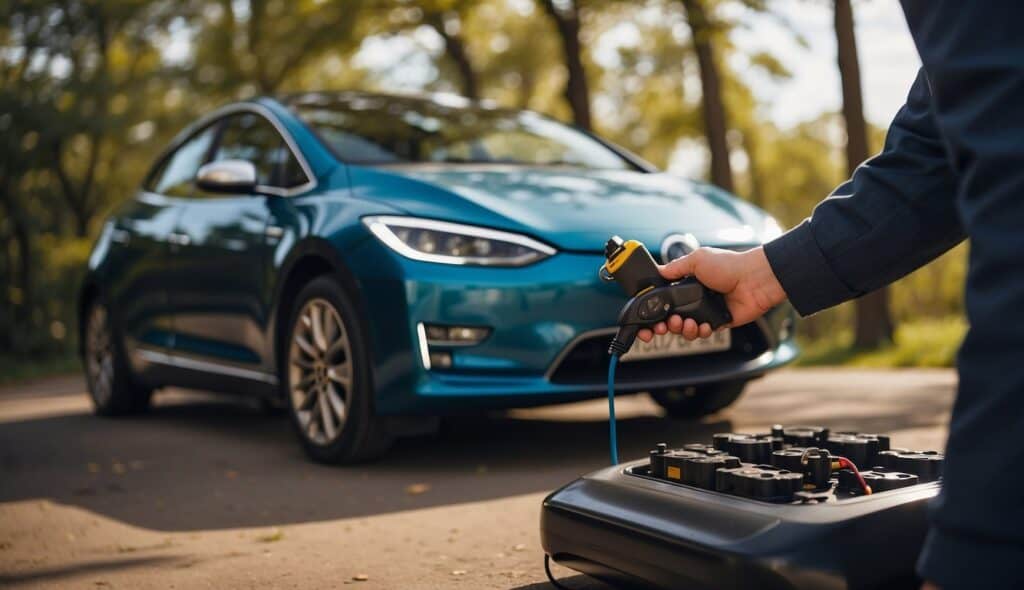
Pros and Cons of Electric Vehicles
Pros:
- Lower Operating Costs: EVs generally cost less to operate because electricity is cheaper than gasoline, and the maintenance needs are lower.
- Environmental Benefits: EV driving reduces greenhouse gas emissions since they don’t burn fossil fuels.
- Quiet and Smooth Ride: Electric motors provide instant torque, leading to a smoother and quieter driving experience.
Cons:
- Higher Upfront Costs: New electric cars can be more expensive to purchase compared to their gasoline counterparts.
- Limited Range: Although improving, some EVs still have a shorter range than gasoline cars.
- Charging Infrastructure: While growing, the availability of charging stations can be limited in some areas, making long trips challenging.
Environmental Impact of Driving an EV
Driving an electric vehicle significantly reduces greenhouse gas emissions. EVs produce no tailpipe emissions, which is beneficial for reducing air pollution in urban areas. The primary emissions associated with EVs occur during electricity generation.
Studies show that EVs tend to have a smaller carbon footprint than traditional gasoline cars, even when powered by a grid that includes fossil fuels. The shift to more renewable energy sources makes the environmental benefits of EVs even greater.
Additionally, the manufacturing and disposal of EV batteries have environmental impacts. Recycling programs and developing second-life applications for used batteries are helping mitigate these concerns.
EVs are part of a broader move toward sustainable transportation and contribute to efforts in combating climate change.
Check out Can I Get a Tax Credit on a Used Electric Vehicle?
The Pre-Purchase Considerations
Before purchasing a used electric car, it is crucial to evaluate specific aspects such as driving needs, charging capabilities, and the total cost of ownership. A thorough understanding of these factors will help in making an informed decision.
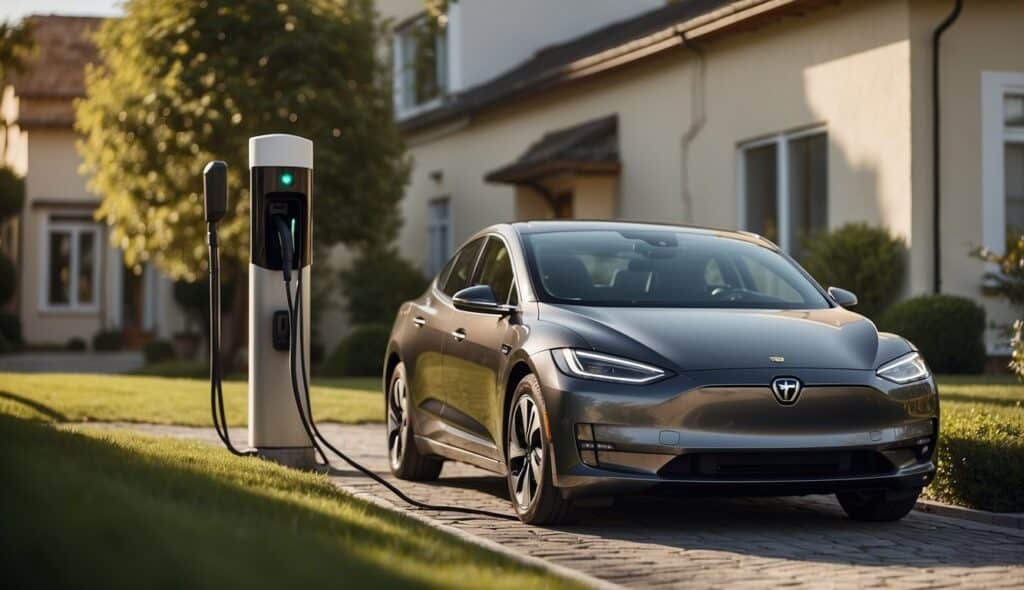
Evaluating Your Driving Needs and Range Requirements
Determining one’s driving habits is essential. Understand how far you typically drive each day or week. Electric vehicles vary greatly in range.
For example, the 2023 Tesla Model 3 provides long-range options, while the 2024 Nissan Leaf offers a more affordable choice with a shorter range. Reflect on your routine routes – urban commutes might be less demanding on range than long highway trips.
Also, consider potential future needs. If you plan to travel further distances frequently, a car with a higher range might be more practical. Knowing your driving patterns will ensure you pick a used EV that fits your lifestyle perfectly.
Assessing Charging Options and Infrastructure
Charging an electric vehicle requires access to reliable charging options. Home charging stations usually offer convenience and lower costs. Evaluate whether you have a garage or driveway where you can safely install a home charger.
Investigate local public charging stations. Public chargers differ in charging speeds, from slow Level 1 chargers to fast DC fast chargers. Consider their locations – near work, shopping centers, or highways. It’s crucial to ascertain your area’s availability and type of public charging infrastructure to avoid inconvenience.
Calculating Total Cost of Ownership
One significant benefit of electric vehicles is the lower cost of operation, but it’s vital to calculate the total cost of ownership. This includes factors beyond the purchase price. While a used EV may have a lower upfront cost, consider battery replacement costs and the depreciation rate.
Operating costs are generally lower due to reduced fuel expenses and lower maintenance costs since EVs have fewer moving parts. Compare insurance rates as they can differ for electric cars. Evaluating these aspects will give you a clear picture of the overall financial commitment of owning a used electric car.
Financial Aspects of Buying a Used EV
Buying a used electric vehicle (EV) involves understanding depreciation, potential incentives, and the cost savings on maintenance and fuel.
Understanding Depreciation and Residual Values
Depreciation is a key factor when buying a used EV. Unlike traditional gasoline cars, EVs often see steeper initial depreciation due to the fast-changing technology and short novelty period. For example, the initial depreciation for electric cars like the Tesla Model 3 can be steep, significantly reducing the purchase price of a used model.
Buyers should also be aware of the residual value, which is the vehicle’s worth after a certain number of years. Depreciation affects the overall value of the EV and its potential resale value. It’s essential to research specific models to understand how well they retain value over time.
Exploring Incentives and Tax Credits
Government incentives and tax credits can make buying a used EV even more affordable. While new EVs come with various incentives, used EVs may also qualify for certain benefits depending on the state or country.
It’s important to check for available rebates and incentives that can help lower the overall cost. For instance, some states offer rebates for the purchase of clean-energy vehicles, and these can apply to used EVs under specific conditions.
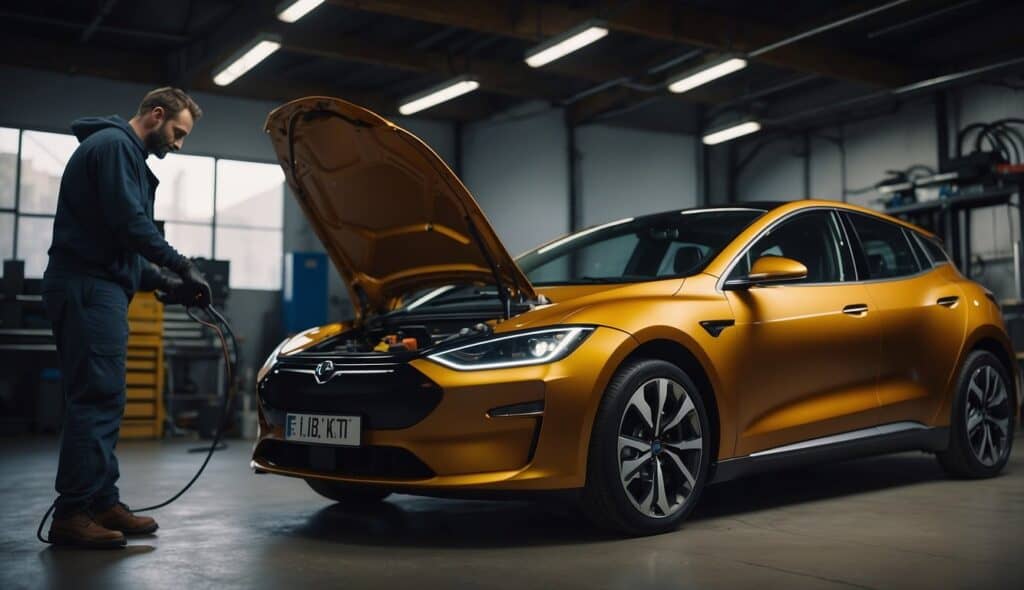
Analyzing Affordability and Maintenance Savings
An important financial aspect of a used EV is the potential savings on maintenance and fuel. EVs have fewer moving parts than traditional gas cars, which can result in lower maintenance costs. There is no need for oil changes, and brake wear is often less due to regenerative braking systems.
Additionally, the cost of electricity is usually lower than gasoline, leading to ongoing savings. It’s crucial to factor in these aspects when considering the total cost of ownership for a used EV. By understanding these savings, buyers can evaluate whether a used EV is the right financial decision for them.
When considering the financial aspects of buying a used EV, understanding depreciation, exploring potential incentives, and analyzing the affordability and maintenance savings can help ensure a smart and cost-effective purchase.
Key Considerations for the Vehicle Condition
When buying a used electric car, it’s essential to focus on specific aspects of the vehicle to ensure you’re making a smart investment. Pay particular attention to the battery’s condition, the extent of warranty coverage, and any signs of wear or outdated technology.
Battery Health and Longevity
The battery is a crucial component of any electric vehicle (EV). Check the battery’s health, as it directly affects the car’s performance and range. Be aware that EV batteries can degrade over time, losing their capacity to hold a charge.
The general consensus is that an EV battery can last between 10-20 years, depending on factors like charging habits and climate conditions. Make sure to get a detailed report on the battery’s condition from a reputable source before purchasing.
Reviewing Warranty Coverage for Used EVs
EVs often come with warranties that cover the battery and other critical components. Manufacturers usually offer an 8-year warranty on the battery pack.
If the vehicle you’re considering is still within the warranty period, this could save you significant repair costs. Ensure to review the battery warranty terms and check what is covered. Understanding warranty terms can help protect you from potential future expenses.
Checking for Signs of Wear and Technology Updates
Inspect the vehicle for any signs of wear and tear. Look at the battery pack, tires, brakes, and suspension. Pay attention to how up-to-date the car’s technology is. Older models might lack modern features like advanced driver assistance systems. Additionally, ensure the software is updated to the latest version, as this can affect the car’s performance and battery life.
These steps can help you make an informed decision when purchasing a used electric car.
Making the Purchase
When buying a used electric car, you should focus on researching models, conducting test drives, and negotiating prices. By covering these aspects, you can ensure a smooth and informed purchase.
Researching and Comparing Models
Researching different models is vital when buying a used electric car. Start with well-known models like the Nissan Leaf and the Tesla Model 3. Look at aspects such as battery life, range, and maintenance history.
Check online reviews and ratings to see what other owners have experienced. Compare prices on various platforms to get a sense of the market. Look for trends in reliability, especially for older models. Please make a list of priorities like range, features, and budget, and use it to narrow down your options.
The Role of Test Drives in Evaluating a Used EV
Test drives are crucial when evaluating a used electric vehicle. It helps you check the car’s condition and ensure it meets your needs. Take note of how the car accelerates, brakes, and handles. Listen for unusual noises and pay attention to the battery’s performance during the drive.
Bring a checklist to ensure you cover everything. Test the car in different conditions, such as city driving and highway speeds. This will give you a complete picture of how the car performs. Compare the experience with similar models, like the Kia Soul EV.
Negotiating Prices and Securing Financing
Negotiating the price of a used electric car involves knowing its market value and condition. Use resources like Kelley Blue Book to estimate the car’s worth. Be prepared to discuss any issues found during your research and test drive and use them to negotiate a better price.
When it comes to financing, explore options like auto loans and dealer financing. Compare interest rates and terms from different lenders. Check if there are any special financing deals for electric vehicles. Preapproved financing can give you an edge in negotiations and make the buying process smoother.
Securing a fair price and financing ensures you get the best deal possible. Be patient and stay informed to make a smart purchase.
Post-Purchase Considerations
After buying a used electric car, it’s important to think about practical steps to get the most out of your purchase. Key aspects to focus on include setting up a charging solution at home, regular maintenance tasks, and adapting to the unique driving experience of electric vehicles.
Check out Electric Car Tires vs Regular Tires
Setting Up a Home Charging Station
Installing a home charging station makes owning an electric vehicle more convenient. For most owners, a Level 2 charging station is ideal. It provides faster charging times compared to a standard wall outlet, often fully charging a vehicle overnight.
Charging rate plays a crucial role here. Level 2 chargers typically offer 10-20 miles of range per hour. Consider integrating a DC fast charger or ensuring proximity to a reliable charging network if longer trips are frequent. The Supercharger network is another option for specific EV brands, offering very quick charging times but usually requiring a subscription.
Maintenance and Upkeep of Your Used EV
Electric vehicles have fewer moving parts compared to traditional cars, resulting in different maintenance needs. Regularly checking the battery health is vital. Many EVs come with an 8-year battery warranty, but routine checkups can help maintain optimal performance.
Additionally, keep an eye on the brake system. Due to regenerative braking, brakes on EVs typically last longer, but periodic inspections are essential. Less frequent but still important tasks include checking the cooling system and the software updates. These updates can improve efficiency and add new features to the vehicle.
Adapting to the EV Driving Experience
Transitioning to an electric vehicle changes how you drive and manage your car. EVs offer instant torque, making acceleration faster and smoother. This can differ from traditional internal combustion engines, so getting accustomed to the new feel is important.
Another consideration is managing range anxiety—the fear of running out of battery. Familiarize yourself with the local charging network and plan routes accordingly. Many modern EVs have apps that show available chargers and their status in real time. Utilizing in-car navigation systems that optimize routes based on charging stations can further ease this transition.
Owning a used electric vehicle can be a satisfying and efficient experience by addressing these areas.
Check out How to Drive an Electric Car for the First Time
The Future of Electric Mobility
Electric vehicles (EVs) are rapidly evolving with technological advancements and new models entering the market. This section explores trends in EV technology and forecasts for future models, providing insights into what the future holds for electric mobility.
Trends in Electric Vehicle Technology
Significant technological advancements are driving the shift towards electric mobility. Battery technology is improving, with higher energy density and faster charging times. Solid-state batteries are emerging as game-changers, offering greater efficiency and safety compared to traditional lithium-ion batteries.
Autonomous driving features are increasingly being integrated into electric vehicles. Many new EVs have advanced driver assistance systems (ADAS) that enhance safety and provide a glimpse into fully autonomous driving. Connectivity features such as over-the-air updates and advanced infotainment systems are becoming standard, making electric cars smarter and more user-friendly.
Another critical trend is the development of infrastructure. The number of fast-charging stations is growing, reducing range anxiety and making EVs more practical for long-distance travel. Innovations in wireless charging and vehicle-to-grid (V2G) technology also promise to revolutionize how electric vehicles are charged and how they interact with the power grid.
Market Forecasts and Future Models
Analysts predict a significant increase in the adoption of electric vehicles in the coming years. According to estimates, electric cars could make up 30% of all vehicles on the road by 2030. Companies like Tesla, Nissan, and Volkswagen are leading the charge, with new EV models being announced regularly.
Prices for electric vehicles are also expected to decrease as production scales up, and battery costs fall. This trend will make EVs more accessible to a broader audience. Used electric vehicles (EVs) will become a more attractive option as new models push the limits of technology and older models become more affordable.
Many automakers plan to release various new models catering to different segments, from budget-friendly compact cars to luxury SUVs. These upcoming vehicles will feature cutting-edge technology, improved range, and more efficient powertrains. As the industry continues to innovate and grow, consumers can expect a diverse range of choices.
The future of electric mobility looks promising with continuous technological advancements and a growing market for both new and used electric vehicles.
Check out 15 Hidden Costs of Owning an Electric Car
Additional Resources and Information
When considering the purchase of a used electric car, it is crucial to stay informed on industry data and news updates. Access to accurate, up-to-date information can guide your decision-making process and help you find the best value.
Relevant Industry Data and Research
Gathering data on used electric vehicles can provide insights into price trends, depreciation rates, and battery health. Cox Automotive reports that the average price of a used EV in the U.S. is around $25,500. Researching battery health is essential; the longevity and charging speed can vary significantly between models.
Edmunds data can be valuable for comparing different cars. They offer reviews and detailed specifications. Evaluating the total cost of ownership, including maintenance and fuel savings, helps understand the vehicle’s true value. Always check for recent recalls or known issues specific to each model.
Where to Find Further EV News and Updates
Numerous reliable outlets and websites can be helpful for ongoing updates and news about electric vehicles. KBB.com and AutoTrader provide expert advice on the latest trends in the EV market. They offer detailed articles on new vs. used EV prices and common concerns related to buying a used electric vehicle.
Other great sources include Tom’s Guide, which covers important aspects of owning and maintaining a used EV, and NerdWallet, which provides financial advice for electric car purchases. These resources ensure you remain informed about advancements, new models, and any significant industry changes.
Conclusion
Buying a used electric car can be a smart way to save money while embracing green technology. However, several essential factors must be considered before making a purchase.
First, check the battery’s health. The battery is a crucial component, and its condition affects the car’s range and performance. Look for cars with a battery warranty.
Second, research the car’s range. Different models offer varying ranges on a single charge. Knowing the range helps determine if the car suits daily commuting needs.
Third, look into the charging infrastructure in your area. Having convenient access to charging stations makes owning an electric vehicle more practical.
Inspection Tips:
- Test drive the car to check for any unusual sounds or issues.
- Verify the car’s charging history and maintenance records.
- Check for any signs of wear or damage, especially to the battery and charging port.
Pricing Considerations:
- Due to depreciation, used electric cars often have lower prices than new ones.
- Compare prices of different models and years to find the best deal.
Resale Value:
- Consider how well the car holds its value. Some brands and models maintain their value better than others.
Popular Models:
- Tesla Model 3: Known for good range and advanced technology.
- Nissan Leaf: Affordable with decent range for city driving.
Review all these aspects to make an informed decision when buying a used electric car. This can lead to a cost-effective and sustainable transportation solution.

Hi, I’m Marybeth, an electric car enthusiast living in New York in the USA. As the owner of electriccartalks.com, I love sharing my knowledge on EV tips, battery maintenance, and charging solutions. As a proud Tesla owner, I blend my personal experiences with professional insights to offer valuable information to fellow EV enthusiasts. Through my articles, I aim to empower others to make informed decisions about their electric vehicles. Read more