
Tesla electric cars are a popular choice for many drivers looking to switch to eco-friendly vehicles. These sleek and innovative cars offer cutting-edge technology and impressive performance. But the high price tag can make some people wonder if they can afford one.
To afford a Tesla, you need to consider the purchase price, charging costs, and ongoing expenses. The cheapest Tesla model starts around $40,000, while higher-end versions can cost over $90,000. Charging costs are generally lower than fuel for gas-powered cars, but they still add up. Other expenses like insurance and maintenance should also be factored in.
There are ways to make Tesla ownership more affordable. Some people lease instead of buy, which can lower monthly payments. Others look for used Teslas to save money. Taking advantage of tax incentives for electric vehicles can also help reduce the overall cost. By carefully planning and budgeting, more people can make their dream of owning a Tesla a reality.
Understanding Tesla’s Range of Electric Vehicles
Tesla offers four main electric vehicle models. Each has unique features and price points to suit different needs and budgets.
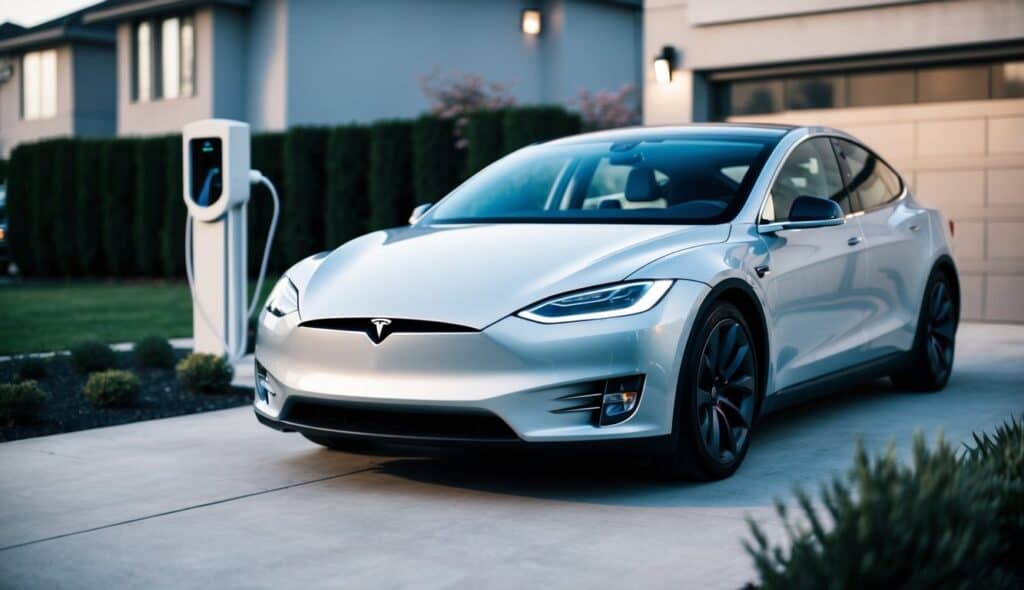
Tesla Model S – Features and Pricing
The Model S is Tesla’s luxury sedan. It boasts impressive performance with quick acceleration and long range. The base Model S can travel over 400 miles on a single charge. Prices start around $90,000 for the base model.
Higher-end versions like the Model S Plaid offer even faster acceleration. The Plaid can go from 0 to 60 mph in under 2 seconds. This performance comes at a premium, with prices over $130,000.
The Model S includes advanced tech features, such as a large touchscreen display and driver assistance capabilities. Buyers can add options like enhanced autopilot for an extra cost.
Tesla Model 3 – Affordability and Options
The Model 3 is Tesla’s most affordable car. The base rear-wheel-drive version starts around $47,000, making it a popular choice for those wanting to enter the Tesla market.
There are three main Model 3 versions:
- Standard Range Plus
- Long Range
- Performance
The Long Range model can travel over 350 miles on a single charge. The Performance model offers quicker acceleration but less range.
All Model 3 cars have a minimalist interior and a single 15-inch touchscreen that controls most vehicle functions.
Tesla Model X – Luxury and Space
The Model X is Tesla’s luxury SUV. It stands out with its falcon-wing rear doors, which open upward, making it easier to access the back seats.
Prices for the Model X start around $110,000. It can seat up to seven passengers and has a towing capacity of up to 5,000 pounds.
The Model X comes in two versions:
- Long Range
- Plaid
The Long Range model can travel over 330 miles on a single charge. The Plaid version offers faster acceleration but slightly less range.
Tesla Model Y – Versatility and Cost
The Model Y is Tesla’s compact SUV. It’s built on the same platform as the Model 3 but offers more space. The base model starts around $60,000.
The Model Y comes in three versions:
- Standard Range
- Long Range
- Performance
The Long Range model can travel over 300 miles on a single charge. The Performance model offers quicker acceleration but less range.
The Model Y has a spacious interior with optional third-row seating. This makes it a good choice for families or those needing extra cargo space.
Check out Tesla Wheel Bearing Replacement Cost
Tesla Financing Options and Ownership Costs
Tesla offers various ways to pay for its electric cars. Buyers can choose financing, leasing, or cash purchase, each with different costs and benefits.
How Tesla Financing Works
Tesla partners with banks to provide car loans. Buyers can apply online or at Tesla stores. Loan terms range from 36 to 84 months. Down payments are often required.
Tesla also offers leasing for some models. Lease terms are usually 36 months. Mileage limits apply, typically 10,000 to 15,000 miles per year.
Cash buyers can pay upfront for their Tesla. This avoids interest charges but requires a large sum at once.
Understanding Interest Rates and Monthly Payments
Interest rates for Tesla loans vary based on credit score and market conditions. Better credit scores often mean lower rates.
Monthly payments depend on the loan amount, interest rate, and term length. Longer terms have lower monthly payments but higher total interest costs.
A sample calculation:
- Car price: $50,000
- Down payment: $5,000
- Loan term: 60 months
- Interest rate: 4%
- Monthly payment: $828
Predicting Maintenance and Charging Costs
Tesla cars have fewer moving parts than gas vehicles. This can mean lower maintenance costs.
Common Tesla maintenance includes:
- Tire rotations
- Brake fluid changes
- Cabin air filter replacements
Charging costs vary by location and electricity rates. Home charging is often cheaper than public stations.
Average charging costs:
- Home: $0.13 per kWh
- Public: $0.28 per kWh
A full charge for a Model 3 might cost $10 at home or $22 at a public station.
Total Cost of Ownership for a Tesla
Total cost includes purchase price, financing, charging, maintenance, and insurance.
Insurance for Teslas can be higher than for traditional cars due to repair costs.
Lower fuel and maintenance costs result in savings. Electric cars often qualify for tax incentives, further reducing costs.
A five-year cost breakdown might look like:
- Purchase price: $50,000
- Financing costs: $5,000
- Charging: $4,000
- Maintenance: $1,500
- Insurance: $7,500
Total: $68,000
Fuel savings and incentives can offset this cost, which vary by location.
Check out Florida Incentives to Buy Electric Cars
Incentives and Tax Credits for Electric Vehicles
Buying an electric vehicle can come with significant financial benefits. The government offers various incentives to make these eco-friendly cars more affordable.

Federal and State Tax Credits
The federal government provides a tax credit of up to $7,500 for new electric vehicles bought in 2024. This credit applies to many Tesla models. The car must meet certain requirements to get the full amount.
Some states also offer their own tax credits. These can range from $1,000 to $5,000 or more. Check your state’s policies to see what you might qualify for.
Used electric cars can also receive a tax credit. It’s worth 30% of the sales price, up to $4,000, and it applies to cars manufactured in 2022 or earlier.
Local Government Incentives
Many cities and towns have special perks for electric vehicle owners. These can include:
- Free parking in certain areas
- Access to carpool lanes
- Reduced tolls on highways
- Rebates on home charging stations
Some utility companies offer lower electricity rates for charging electric cars at night. This can lead to big savings over time.
Maximizing Savings through Tax Incentives
To get the most out of these incentives, plan your purchase carefully. The federal tax credit is only good for the tax year you buy the car. Make sure you owe enough in taxes to use the full credit.
Keep all paperwork related to your car purchase. You’ll need it when you file your taxes. Some credits might require special forms.
Look into combining federal, state, and local incentives. This can add up to major savings. Sometimes, you might save over $10,000 on a new electric car.
Remember that tax laws can change. What’s true for 2024 might be different in future years. Stay informed about the latest rules to make the best choices.
Check out Tesla Model 3 Suspension Replacement
Charging Solutions for Tesla Owners
Tesla offers several charging options for electric vehicles, from home setups to public networks. The right mix can make owning a Tesla more affordable and convenient.
Home Charging Setup and Solar Panels Integration
Most Tesla owners charge at home. The fastest home option is a wall connector, which costs $450 and can add up to 44 miles of range per hour. Installation costs $750-$1,500.
A cheaper choice is the Mobile Connector. It plugs into a standard outlet and adds 2-3 miles of range per hour. For faster charging, use a 240V outlet like those for dryers.
Solar panels can lower charging costs. Tesla’s solar roof or panels connect to a Powerwall battery, which can power your home and car with clean energy.
Public Charging Stations and Supercharger Network
Tesla’s Supercharger network has over 45,000 stations worldwide. These fast chargers can add up to 200 miles of range in 15 minutes.
Superchargers work best for long trips. They’re placed along major routes to enable cross-country travel. Pricing varies by location but is often cheaper than gas.
Tesla cars can also use other public chargers with an adapter. These are slower but more common in cities and towns.
Calculating the Expense of Charging on the Go
Supercharger costs vary by state and time of day. On average, expect to pay $0.25 to $0.35 per kWh. A full charge might cost $10 to $30.
Public chargers often charge by time. Rates range from free to about $2 per hour. Some require memberships or apps to use.
To estimate costs, consider your car’s efficiency and local electricity rates. Many apps can help plan trips and find the cheapest charging options.
Charging at home is usually cheapest. Off-peak rates can be as low as $0.08 per kWh. This could mean full charges for under $10.
Check out Tesla Model 3 Headliner Replacement
Investment Strategies for Future Tesla Owners
Investing wisely can help you afford a Tesla sooner. Smart strategies can boost your savings and bring you closer to owning your dream electric car.
Understanding Tesla Stock and Market Performance
Tesla stock has seen ups and downs over the years. Its price can change quickly based on company news and market conditions. Some investors buy Tesla shares directly to benefit from potential growth.
Tesla’s stock performance often reflects the company’s progress in areas like:
- Electric vehicle sales
- New model launches
- Battery technology advancements
- Expansion into new markets
Monitoring these factors can help you make smart investment choices. However, past performance doesn’t guarantee future results.
Investing in ETFs and Funds with Tesla Holdings
ETFs and mutual funds offer a way to invest in Tesla without buying individual shares. These funds hold Tesla stock along with other companies.
Some popular ETFs with Tesla holdings include:
- ARK Innovation ETF (ARKK)
- Global X Autonomous & Electric Vehicles ETF (DRIV)
- iShares Self-Driving EV and Tech ETF (IDRV)
These funds spread risk across multiple stocks. This can be less risky than owning Tesla shares alone. Research each fund’s fees and performance before investing.
Allocating Earnings from Investments to Purchase a Tesla
Set clear goals for your Tesla savings plan. Decide how much of your investment earnings to put toward your car purchase.
Create a separate savings account for your Tesla fund. Transfer a set amount from your investments each month. This helps track progress and stay motivated.
Consider these tips:
- Start small and increase savings over time
- Reinvest dividends to grow your fund faster
- Use dollar-cost averaging to buy investments regularly
Be patient and stick to your plan. You can make your Tesla dream a reality with steady saving and smart investing.
Check out Tesla Wall Charger Green Light Issue
The Realities of Electric Vehicle (EV) Ownership
Electric cars offer unique benefits and challenges compared to gas-powered vehicles. Drivers must carefully weigh the pros and cons before switching to an EV.
Assessing the Pros and Cons of Electric Cars
Electric vehicles have lower fuel and maintenance costs. Charging an EV is often cheaper than buying gas. Because they have fewer moving parts, EVs also need fewer repairs.
On the flip side, EVs typically cost more upfront. The average price of a new electric car is higher than a gas-powered one. Range anxiety can be an issue for some drivers, especially on long trips.
Charging takes longer than filling up with gas. At home, it can take hours. Even fast chargers need 30-60 minutes for a full charge.
EVs are very quiet and offer smooth acceleration. They produce zero tailpipe emissions, which is good for the environment.
Comparing EVs with Luxury Cars from Other Brands
Tesla cars often get compared to luxury brands like BMW and Mercedes. In terms of performance, Teslas can match or beat many luxury cars. The Model 3 can go from 0-60 mph in as little as 3.1 seconds.
Teslas offer luxury features such as large touchscreens, over-the-air updates, and advanced driver assistance. Traditional luxury brands may offer more refined interiors and brand prestige.
Price-wise, Teslas can be competitive. The Model 3 starts around $40,000, similar to entry-level luxury cars. Higher-end Tesla models cost more, in line with premium luxury vehicles.
Teslas’ resale value has been strong, often beating that of traditional luxury cars. This can offset the higher purchase price over time.
Evaluating the Long-Term Value of Electric Vehicles
EVs can save money in the long run despite higher upfront costs. Fuel savings add up over time, especially with rising gas prices. Maintenance costs are also lower for EVs.
Battery life is a key factor in EV value. Most EV batteries last 8-10 years or more. Replacing a battery can be expensive, but prices are falling as technology improves.
Government incentives, such as tax credits and rebates, can reduce the cost of buying an EV. These vary by location.
The EV market is growing rapidly. This could lead to better resale values as more people want to buy used EVs. It also means more charging stations and improved technology over time.
Conclusion
Buying a Tesla electric car requires careful financial planning. The upfront cost is high, but long-term savings on fuel and maintenance can offset this. Prospective buyers should consider their income, expenses, and savings carefully.
Financing options like loans or leases can make Teslas more accessible. Tax incentives and rebates can also reduce the overall cost. Shopping for the best insurance rates is important, too.
Used Teslas offer a more affordable entry point for some buyers. Waiting for newer, less expensive models to be released is another option. With proper budgeting and research, owning a Tesla can become a realistic goal for many.
Ultimately, affordability depends on individual financial situations. Buyers must weigh the costs and benefits based on their own circumstances. A Tesla can provide an exciting, eco-friendly driving experience for those who can manage it.
You may also like:

Hi, I’m Marybeth, an electric car enthusiast living in New York in the USA. As the owner of electriccartalks.com, I love sharing my knowledge on EV tips, battery maintenance, and charging solutions. As a proud Tesla owner, I blend my personal experiences with professional insights to offer valuable information to fellow EV enthusiasts. Through my articles, I aim to empower others to make informed decisions about their electric vehicles. Read more