
Driving an electric car offers many benefits, but one common question is about how much electricity an EV uses each year. On average, an electric vehicle uses approximately 3,000 to 4,000 kilowatt-hours (kWh) annually. This can vary depending on the model, driving habits, and climate.
Many EVs average around 0.32 kWh per mile. For a driver traveling 15,000 miles a year, this translates to about 4,800 kWh each year. This level of energy consumption is similar to the electricity used by a typical home appliance, such as a water heater or an air conditioner.
Understanding annual electricity usage is crucial for budgeting and environmental considerations. By knowing how much energy your electric car consumes, you can make informed decisions about charging and energy consumption. Explore the specifics and see how owning an electric vehicle can fit into your energy and financial plans.
Understanding Electric Car Energy Use
Electric cars consume electricity measured in kilowatt-hours (kWh). Their total energy consumption depends on key factors like the car’s efficiency, driving habits, and environmental conditions.
Measuring Energy Consumption in EVs
Energy consumption in electric vehicles (EVs) is typically measured in kilowatt-hours per 100 miles (kWh/100 miles) or miles per kilowatt-hour (mi/kWh). For example, an average EV might use approximately 0.32 kWh per mile, totaling around 3,500 kWh for 10,000 miles annually.
Manufacturers provide these ratings to help users understand their car’s efficiency. For example, a highly efficient EV might operate at 3-4 mi/kWh, while less efficient models might only achieve around 2 mi/kWh. This variance helps users estimate their energy needs and costs.
Factors Affecting Electricity Usage in Electric Cars
Several factors impact an EV’s electricity usage. Driving habits play a significant role; aggressive driving with rapid acceleration and high speeds consumes more power.
Environmental conditions also affect energy use. Cold weather requires battery heating, while hot weather uses air conditioning, both increasing consumption.
Additionally, road types and conditions matter. City driving with frequent stops is less efficient than steady highway speeds. The car’s load, including passenger weight and cargo, further influences overall efficiency and energy consumption.
Understanding these factors helps users optimize their driving to save on energy costs.
Calculating Annual Power Consumption of Electric Vehicles
Determining how much electricity an electric vehicle (EV) uses per year involves looking at vehicle-specific energy efficiencies and individual driving patterns. Popular models like the Tesla Model 3 and Nissan Leaf offer useful benchmarks. Driving habits and range also significantly influence yearly consumption.
Average Electricity Usage of Popular EV Models
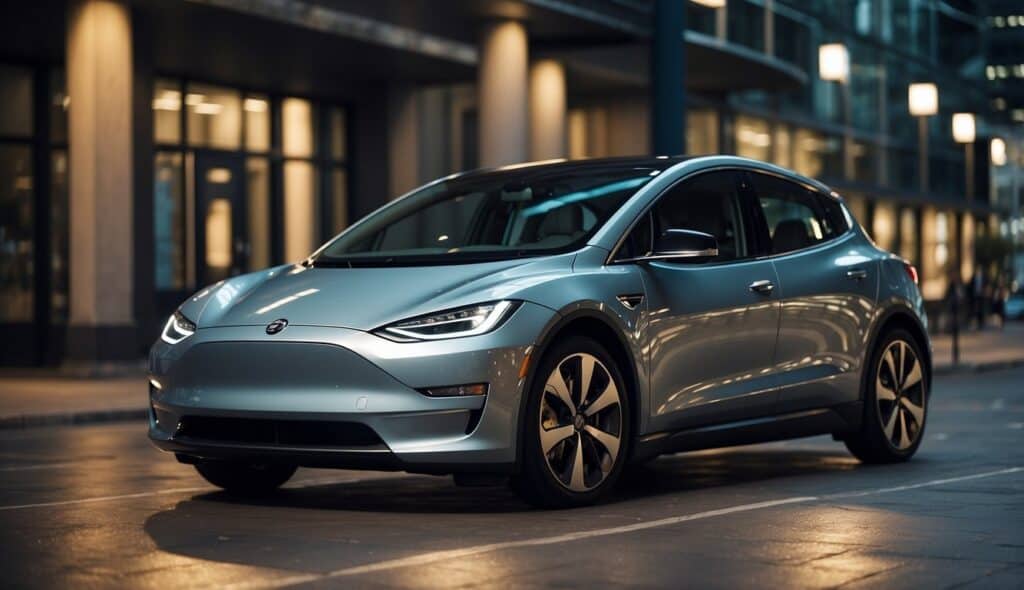
Different EV models vary in their energy consumption. For instance, the Tesla Model 3 consumes approximately 0.24 kilowatt-hours (kWh) per mile.
On the other hand, the Nissan Leaf uses about 0.30 kWh per mile. Assuming an annual driving distance of 12,000 miles, the Tesla Model 3 would use around 2,880 kWh per year, while the Nissan Leaf would consume about 3,600 kWh annually.
How Driving Range and Habits Influence Consumption
Driving behaviors greatly affect annual energy use. Aggressive driving can increase consumption due to rapid acceleration and frequent braking. In contrast, steady driving at moderate speeds is more efficient.
Seasonal variations also play a role, as colder weather reduces battery efficiency, leading to higher consumption. Long-distance commuting versus short city trips further impacts yearly energy usage, with longer trips typically yielding better efficiency rates.
For example, an EV rated at 3 miles per kWh might only achieve 2.5 miles per kWh under harsh conditions, increasing overall energy consumption. Hence, considering both vehicle efficiency and driving habits is essential for accurately estimating annual energy consumption in electric vehicles.
Check out Does an Electric Car Lose Charge When Parked?
Charging and the Impact on Electricity Usage
Charging an electric vehicle (EV) has different effects on electricity usage depending on where and how the vehicle is charged. Key aspects include the differences between home and public charging, the efficiency of charging methods, and the various charging levels available.
Home Charging vs. Public Charging Stations
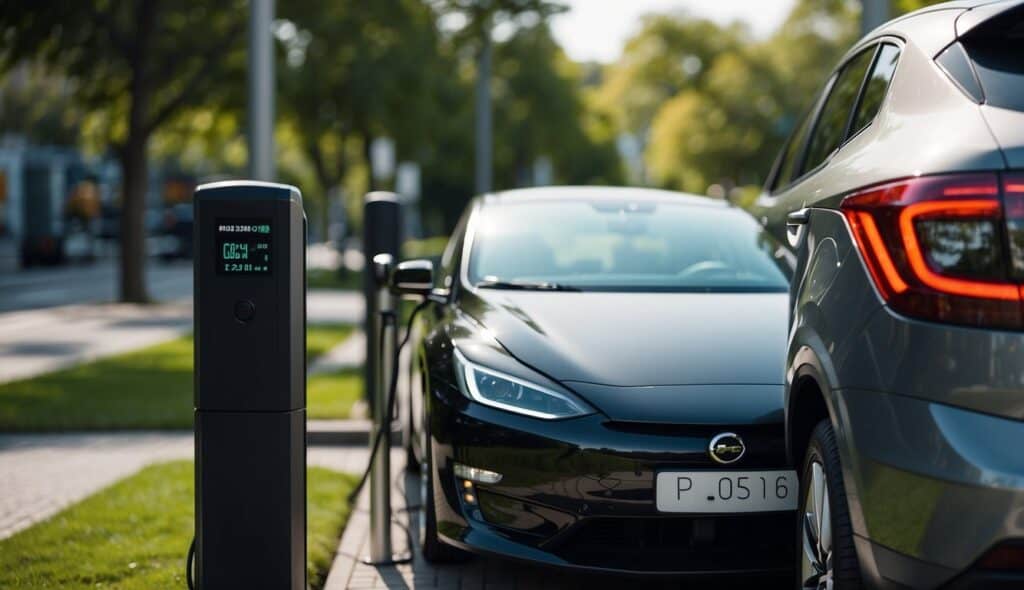
Home charging setups, usually using a Level 1 or Level 2 charger, are common among EV owners. Charging an EV at home can lead to an increase in household electricity consumption by approximately 2.9 kWh per day for regular use. Level 2 chargers are typically more efficient and faster compared to Level 1 chargers.
Public charging stations include Level 3 chargers or DC fast chargers, like the Tesla Supercharger, which can charge an EV much faster but are less commonly used for daily charging due to higher costs and less convenience compared to home charging.
| Charging Type | Charging Speed |
|---|---|
| Level 1 (Home) | Slow (120V) |
| Level 2 (Home) | Medium (240V) |
| Level 3/DC Fast | Fast (480V) |
Charging Efficiency and Energy Lost
Charging efficiency refers to how much of the energy drawn from the grid is effectively stored in the EV battery. Some energy is lost as heat during the process. Level 1 chargers are less efficient due to longer charging times which increase energy lost as heat. Level 2 chargers present a balanced efficiency with moderate charging times.
DC fast chargers and Tesla Superchargers provide very quick charging, but they may result in slightly higher energy losses due to the rapid transfer of electricity. It’s essential to note that faster charging can also lead to more wear and tear on the battery over time.
Understanding Charging Levels
Level 1 charging uses a standard 120-volt outlet, and it’s the slowest method, often used for overnight charging. It adds about 2 to 5 miles of range per hour.
Level 2 charging requires a 240-volt outlet, akin to heavy-duty appliances. It significantly increases speed, adding about 10 to 30 miles of range per hour, making it suitable for daily home use.
Level 3 charging, or DC fast charging, uses a 480-volt system and is primarily available at public stations. This allows for quick top-ups, providing 60 to 100 miles of range in just 20 minutes.
Understanding these levels helps drivers choose the best charging solutions based on their needs and driving habits.

Check out How Does the Heater Work in an Electric Car?
Cost Analysis of Electric Car Energy Use
Electric cars can be cheaper to run compared to gasoline vehicles but the cost depends a lot on electricity rates and other factors.
Electricity Rates and Their Effects on Running Costs
The cost of running an electric car is mainly driven by a utility company’s electricity rate. Electric car owners pay per kilowatt-hour (kWh) to charge their vehicle. This rate can vary depending on the time of day and location. Some areas offer lower rates during off-peak hours, which can reduce the overall energy cost.
For example, if an electric car uses 30 kWh to drive 100 miles and the electricity rate is $0.13 per kWh, it would cost around $3.90 to drive that distance. Over a year, assuming 12,000 miles driven, the electricity cost would be approximately $468. Changes in electricity rates can significantly affect the annual energy bill.
Comparing Electricity Costs to Gasoline
When comparing the costs of electricity to gasoline, electric cars often have lower operating costs. Gasoline prices are generally higher and can fluctuate greatly. For instance, if gas costs $3.50 per gallon and a car gets 25 miles per gallon, driving 100 miles would cost $14.00. Over 12,000 miles, that’s about $1,680 annually.
The electricity cost for an electric vehicle is usually much lower, providing significant savings. The International Energy Agency offers tools to compare total ownership costs, showing how variables like electricity rates and fuel prices impact the overall cost. When considering these factors, driving an electric car can lead to substantial savings on fuel costs.
Exploring Battery Technology and Efficiency
Electric car batteries are pivotal in determining energy consumption and performance. Key factors such as battery capacity and recent technological advancements have substantial impacts.
The Role of Battery Capacity in Energy Consumption
Battery capacity, often measured in kilowatt-hours (kWh), directly affects how much energy an electric vehicle (EV) consumes. Larger batteries, like the 75 kWh battery in the Tesla Model Y, store more energy, providing longer ranges. For instance, a Nissan Leaf with a 40 kWh battery typically covers shorter distances than higher-capacity models.
Energy consumption also depends on driving habits. For example, aggressive driving depletes the battery faster. Charging methods influence consumption too; using standard home chargers tends to be less efficient than high-speed chargers.
It’s important to note that while larger batteries offer more range, they also increase the car’s weight, slightly reducing efficiency. Thus, choosing the right balance between battery size and capacity is crucial for optimal performance and energy use.
Advances in Electric Car Batteries
Recent advancements in battery technology have significantly enhanced the efficiency and lifespan of EV batteries. Improved lithium-ion batteries are now more efficient and can store more energy, extending the driving range. For instance, newer models of the Tesla Model Y have better battery management systems that help maintain performance over longer periods.
Solid-state batteries represent a promising development, potentially offering higher energy densities and faster charging times. These batteries are expected to be safer, reducing the risk of overheating and fires, which have been occasional issues with traditional lithium-ion batteries.
Innovation in battery recycling processes is also noteworthy. Recycling reduces environmental impact and helps in reusing valuable materials, making EVs more sustainable in the long run.
Check out How to Save Battery on Electric Car While Driving?
Environmental Considerations
Electric vehicles (EVs) offer significant environmental benefits over gas-powered vehicles. Specifically, they produce fewer greenhouse gas emissions and can be integrated with renewable energy sources for charging.
Greenhouse Gas Emissions of EVs vs. Gas-Powered Vehicles
Electric vehicles emit fewer greenhouse gases over their lifetimes than traditional gasoline cars. According to the Environmental Protection Agency (EPA), the emissions produced by EVs include those during the battery manufacturing process and electricity generation.
In comparison, gas-powered vehicles continuously emit carbon dioxide and other harmful gases through combustion. Studies show that an electric car, such as the Chevrolet Bolt, can produce about 189 grams of CO2 per mile, while a gasoline-fueled car emits significantly more over its lifespan.
EVs also utilize regenerative braking, which recaptures energy typically lost during braking. This feature reduces overall energy consumption and positively impacts the climate. Reducing greenhouse gases is a crucial advantage in the fight against climate change.
Renewable Energy Integration with EV Charging
The environmental benefits of EVs are maximized when the power grid is supplied with renewable energy sources like solar and wind. Charging stations powered by clean energy further reduce electric cars’ carbon footprint.
Integrating EV charging with renewables minimizes the overall impact on the environment. For instance, utilizing solar energy to charge electric vehicles can dramatically cut emissions and enhance energy sustainability.
Many regions are expanding their use of renewable energy to supply the grid. In 2024, over 40% of the nation’s electricity came from renewables, which has an increasingly pronounced positive impact on EV emissions. This integration ensures that the transition to electric vehicles supports broader climate goals.
Ownership and Operating Costs
Electric cars have different cost factors compared to traditional gasoline cars. One of the major differences is the operating costs, which are generally lower due to factors like reduced fuel expenses.
Electricity Usage
The electricity usage of an electric car depends on the model and how much it is driven. On average, an electric vehicle uses about 30 kilowatt-hours (kWh) per 100 miles. For example, driving 15,000 miles a year requires approximately 4,500 kWh.
Electricity Rates and Bill
Electricity rates can vary by region, often between $0.10 and $0.15 per kWh. Based on these rates, the yearly electricity bill for powering an electric car can range from $450 to $675. Lower rates and off-peak charging can further reduce these costs.
Maintenance Costs
Electric cars generally have lower maintenance costs. They have fewer moving parts and do not require oil changes, resulting in savings on routine maintenance. Common maintenance tasks include tire rotation and brake inspections. The total annual maintenance costs can be much lower compared to gasoline cars.
Leasing
Leasing an electric car can be a cost-effective option. Leasing deals often include maintenance and may offer incentives or lower monthly payments. Different manufacturers and dealers offer various terms, making it worth checking options.
Reliability
Electric cars are known for their reliability. The simplicity of electric motors and fewer parts contribute to fewer visits to the repair shop. Owners find electric cars to be dependable, with many reporting fewer issues over time.
The Future of Electric Car Energy Consumption
Several factors influence electric cars’ energy consumption. Efficiency improvements in motors and powertrains play a key role. For instance, new technologies may reduce the amount of electricity needed to travel the same distance, making electric cars more efficient.
Driving style also impacts energy consumption. Smooth acceleration and braking save more electricity compared to aggressive driving. Innovative systems are being developed to assist drivers in optimizing their driving habits.
Technological advancements are rapidly changing the landscape. New battery technologies are being researched to store more energy and charge faster. This will not only extend the range of electric cars but also improve overall efficiency.
Governments and companies are investing in clean energy sources like solar and wind to charge electric cars. This will further reduce the environmental impact and improve sustainability.
With electric car sales increasing, as seen in the rising numbers in 2023, the electricity demand is expected to grow. Efficient energy management systems and smart grids will be necessary to handle this increased load.
By adopting these innovations, the future of electric car energy consumption looks promising and sustainable.
Conclusion
Electric cars use a fair amount of electricity each year. The average electric vehicle (EV) uses around 0.32 kilowatt-hours (kWh) per mile according to the Electric Vehicle Database. With an average American driving 13,500 miles annually, this totals about 4,320 kWh per year.
Using the current average U.S. electricity cost of 16 cents per kWh, the annual cost of charging an EV is approximately $691. This can vary based on factors like driving habits, vehicle efficiency, and regional electricity rates.
Key Points:
- Average Consumption: 0.32 kWh per mile
- Annual Mileage: 13,500 miles
- Total Electricity: 4,320 kWh per year
- Cost: $691 per year at 16 cents per kWh
Some EV models are more efficient, while others use slightly more electricity. For example, the Tesla Model S has an efficiency of 120 MPGe (miles per gallon equivalent).
Renewable energy sources like solar panels can further reduce costs and environmental impact. Many EV owners consider this option to make their vehicles even greener. Solar power is a self-sustaining choice that significantly offsets charging costs.
You may also like:

Hi, I’m Marybeth, an electric car enthusiast living in New York in the USA. As the owner of electriccartalks.com, I love sharing my knowledge on EV tips, battery maintenance, and charging solutions. As a proud Tesla owner, I blend my personal experiences with professional insights to offer valuable information to fellow EV enthusiasts. Through my articles, I aim to empower others to make informed decisions about their electric vehicles. Read more