
Many people wonder if driving a Tesla for Uber is profitable. Drivers can earn up to $60 per hour when considering location and driving hours. This figure is impressive, especially compared to other types of vehicles used for gig work.
It’s important to factor in all costs, such as lease payments and charging expenses when calculating net earnings. Renting a Tesla from Hertz for Uber costs $334 per week. This is higher than renting a gas or hybrid car, but the savings on fuel can offset this difference.
Overall, drivers appreciate the special incentives and higher earnings per trip when using a Tesla. Those interested in gig work, especially with Uber, should consider these financial benefits.
How the Rideshare Ecosystem Works
The rideshare ecosystem has transformed with the rise of gig work and the adoption of electric vehicles (EVs). These changes impact the earnings and experiences of rideshare drivers, especially those using a Tesla.
Evolution of Gig Work in Transportation
Due to the gig economy, ridesharing has become a significant part of modern transportation. Platforms like Uber and Lyft allow people to work as independent contractors. This model offers flexibility in work hours and location, which appeals to many.
Gig workers often face challenges like job security and inconsistent income. They are not employees, so they don’t get benefits like health insurance or retirement plans. Payment structures also vary, with earnings based on factors like time, distance, and demand.
Additionally, technology has played a crucial role. GPS, mobile apps, and routing software help drivers find and complete rides efficiently. This has improved both driver and rider experiences, making ridesharing a popular mode of transportation.
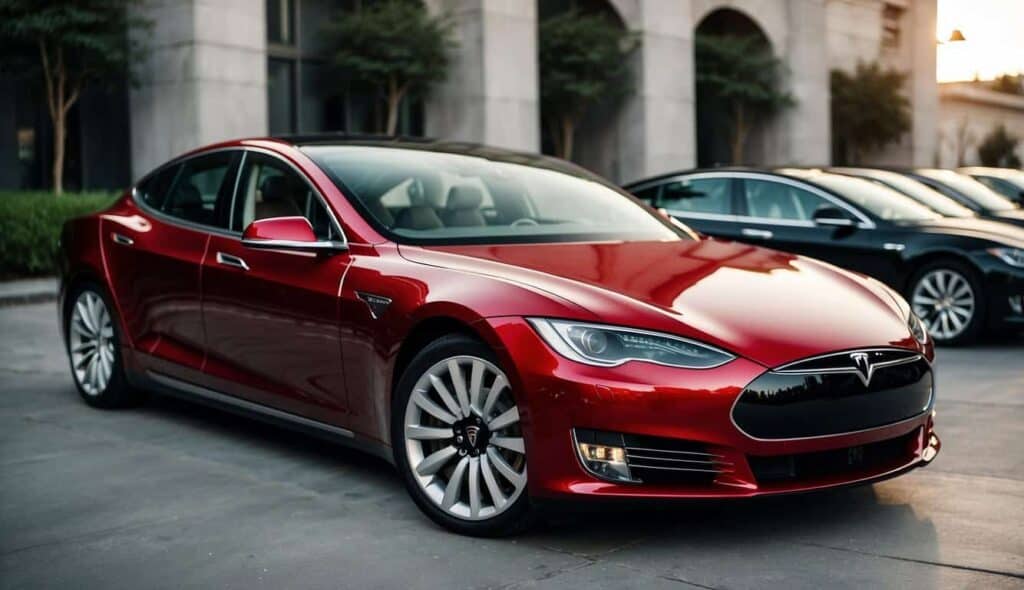
Check out 10 Best Electric Cars for Uber
The Role of Electric Vehicles (EVs)
Electric vehicles, including Tesla models, are becoming more common in rideshare services. EVs offer benefits like lower fuel costs and reduced environmental impact. Since they don’t rely on gas, drivers save money on fuel, especially with rising gas prices.
Tesla’s regenerative braking system helps reduce wear on brakes, lowering maintenance costs. For instance, one driver reported spending just $2.99 on washer fluid after driving 36,000 miles. EVs are also praised for their longevity and low operation costs over time.
Charging infrastructure is crucial for EV drivers. Access to charging stations impacts the feasibility of using an EV for rideshare. Many drivers use home charging, while others rely on public stations. Understanding these factors helps drivers maximize their earnings while contributing to a sustainable future.
Tesla’s Place in Uber’s World
Tesla vehicles are gaining popularity among Uber drivers due to their efficiency and the zero emissions incentive. The collaboration between Uber and Tesla ensures that electric vehicles (EVs) are not only accessible but also lucrative for rideshare drivers.
Why Choose Tesla for Uber Driving?
Tesla cars offer unique advantages for Uber drivers. Their high efficiency and lower long-term costs make them an attractive choice.
Drivers can save significantly on fuel since Tesla vehicles require charging instead of refueling. Maintenance costs can also be lower than those for traditional gas-powered vehicles.
Uber’s focus on sustainability further boosts Tesla’s appeal. The company offers various programs, such as the Green Future program, encouraging drivers to switch to EVs. This program provides financial incentives, making it easier for drivers to afford the transition to electric vehicles.
Additionally, Teslas’ advanced technology, including autopilot features, can enhance the driving experience and increase safety, which can be a significant factor for many drivers.
Collaboration Between Uber and Tesla
Uber and Tesla have been working together to promote the use of EVs within the rideshare industry. Uber’s Zero Emissions Incentive program rewards drivers who use Teslas or other electric vehicles. These incentives can include higher payouts or bonuses for every trip completed in an EV, making it more profitable for drivers.
Moreover, Uber’s partnership with companies like Hertz facilitates the rental of Teslas to drivers at competitive rates. This collaboration makes Tesla more accessible to drivers who might not be able to purchase one outright.
Renting a Tesla for Uber can cost about $334 per week, with potential savings in fuel and maintenance costs compared to traditional vehicles.
Uber also adapts its platform to support EV rides, making it easier for riders to request an electric vehicle. This integration helps promote a cleaner environment, aligning with both companies’ goals toward sustainability.
Financial Aspects of Driving a Tesla with Uber
Driving a Tesla for Uber can be financially rewarding due to higher earnings potential, fuel cost savings, and Uber Pro program incentives. However, it also requires a significant initial investment.
Earning Potential with Tesla Model 3
The Tesla Model 3 can earn up to $60 per hour driving for Uber, depending on location and driving hours. Drivers in busy urban areas may see higher earnings.
Driving more hours during peak times and using strategies to maximize ride requests can increase earnings. For example, driving during weekends or rush hours can boost income. Using a Tesla may also attract more riders, as many people are curious about the car.
Investment Costs vs. Long-Term Savings
Purchasing a Tesla Model 3 is a significant investment, with costs around $40,000. Financing or leasing options can spread out these costs. In addition, Tesla drivers benefit from lower fuel costs, as electricity is cheaper than gas.
Charging at home can be more affordable than public charging stations. Routine maintenance costs are also lower with electric vehicles compared to traditional gas cars, as there are fewer moving parts that require service.
Understanding the Uber Pro Program
The Uber Pro Program offers various perks for drivers who maintain high ratings and complete a set number of rides. Benefits range from increased earnings percentages to discounts on vehicle maintenance and other rewards that enhance profitability.
Tesla drivers who qualify can benefit significantly from these incentives. The program encourages better service and higher engagement from drivers, which can lead to better overall earnings and job satisfaction. Combining these perks with the inherent Tesla driving advantages can make the financial proposition more appealing.
These details showcase the primary financial considerations for driving a Tesla with Uber, balancing potential earnings with initial costs and long-term savings from reduced fuel and maintenance expenses.

Operational Insights for Tesla Uber Drivers
Operating a Tesla for Uber comes with unique challenges and advantages. Key areas to consider include optimizing trip schedules for higher earnings and maintaining the vehicle.
Maximizing Trips and Profits
To maximize earnings, drivers should focus on peak hours and high-demand areas. Many drivers find that weekday evenings and weekend nights offer the best opportunities for higher fares. Using data to identify these peak times can significantly boost income.
Booking multiple short trips during these periods can also increase the number of fares collected in a shift.
Charging stations are crucial for operational efficiency. Knowing the locations of nearby fast chargers helps minimize downtime. Uber’s recent initiative, which shares data with Tesla about common trip areas, can help drivers plan their routes more effectively.
Maintenance and Upkeep of a Tesla
Routine maintenance is essential for keeping a Tesla running smoothly. Though Teslas require less frequent maintenance than traditional vehicles, drivers should still check tire tread, brakes, and battery health.
Regular software updates from Tesla ensure the car has the latest features and safety enhancements. Drivers should also be mindful of their vehicle’s cleanliness and appearance, which directly impact customer satisfaction and ratings.
Regenerative braking can extend battery life and reduce brake wear. Monitoring these aspects can lead to fewer unexpected repairs and better long-term performance.
Insurance and Eligibility Requirements
Before driving a Tesla with Uber, it’s important to understand both insurance needs and eligibility criteria to ensure compliance and protection.
Securing the Right Insurance for Your Tesla
Insurance is often included when renting a Tesla through Hertz to drive for Uber. For instance, Tesla rentals, including maintenance and insurance, can cost around $334 per week. This coverage provides peace of mind, reducing the burden of securing individual policies.
Insurance coverage ensures that the driver and passengers are protected in case of an accident. Moreover, it covers vehicle damage and liability, essential for a smooth driving experience. Always verify what the insurance covers and any deductibles.
Drivers should also be aware of local insurance requirements, which can differ. Checking if additional insurance is necessary based on regional regulations or personal preferences is crucial. This can include personal injury protection or uninsured motorist coverage.
Eligibility Criteria for Driving with Uber
Drivers must meet specific criteria to rent a Tesla from Hertz for Uber driving. They must have completed 1,000 trips and maintain a rating of at least 4.9. These requirements ensure that only experienced and highly rated drivers are eligible to rent a Tesla.
Uber also has regional eligibility variations. For example, in some areas, drivers may only need to complete 150 trips and maintain a rating of 4.85. It’s important to check your specific region’s criteria on the Uber website to ensure compliance.
Meeting these standards demonstrates reliability and competence, which helps maintain Uber’s service quality. Aspiring Tesla drivers should focus on providing excellent service to maintain high ratings and meet the trip completion requirements.
Enhancing the Customer Experience
Driving a Tesla for Uber can provide a unique and premium experience for riders. This section focuses on enhancing that experience through attention to vehicle features and cleanliness and navigating customer ratings and feedback.
Importance of Vehicle Features and Cleanliness
A Tesla offers advanced features that can impress riders. These include Autopilot, a large touchscreen, and silent operation. Riders often appreciate the smooth, quiet ride and the cutting-edge technology.
Maintaining cleanliness is crucial. A clean car is not just more pleasant but also affects ratings. Small touches like a clean interior, fresh scent, and even providing phone chargers can make a big difference. Avoiding a cleaning fee is essential, so regularly checking and cleaning the car after each shift is important.
Navigating Customer Ratings and Feedback
Customer ratings are vital for success in ridesharing. Positive ratings can lead to more rides and higher earnings. Addressing negative feedback promptly and professionally is key. Often, riders leave feedback about driver behavior, cleanliness, and the overall experience.
Drivers should aim for clear communication, a polite demeanor, and a positive atmosphere inside the car.
Understanding these feedback points and adjusting accordingly helps maintain a high rating. Consistently high ratings can also unlock special Uber features and incentives, further boosting earnings.
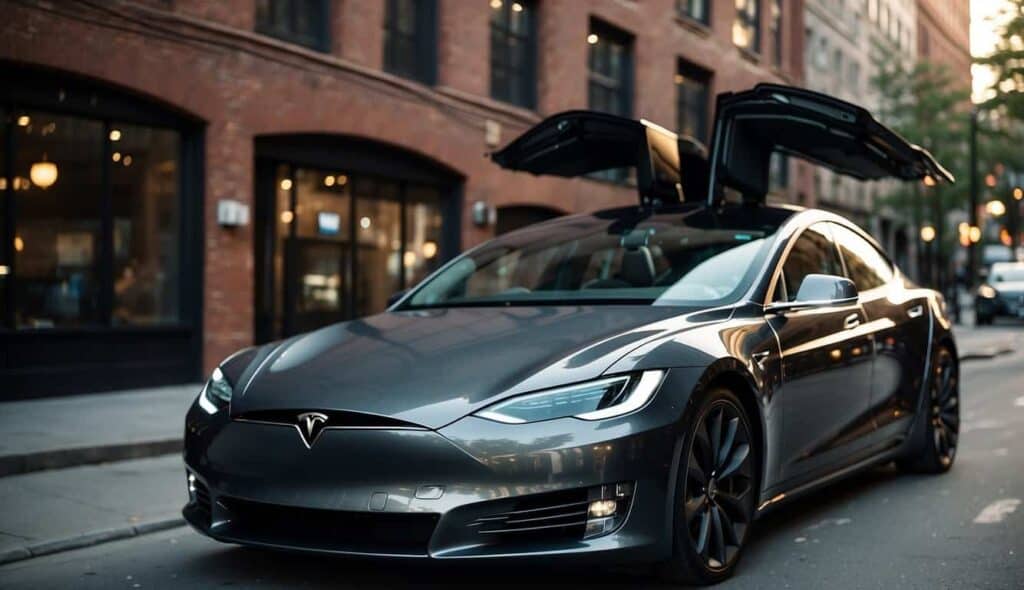
Tesla Rental Programs for Uber Drivers
Drivers looking to rent a Tesla for Uber have several options, especially through partnerships with Hertz. Comparing these electric vehicle rentals to traditional gas or hybrid cars reveals both benefits and costs.
Partnerships and Rental Options
Uber drivers can rent a Tesla through Hertz if they meet specific criteria. Drivers must have completed 1,000 Uber rides and maintain a driver rating of at least 4.9. This partnership enables more drivers to access electric vehicles with incentives and unique features.
Hertz offers a Tesla Model 3 rental for about $334 per week, though prices can vary by region and include taxes and fees.
In San Diego, for instance, renting a Tesla Model 3 costs approximately $375 per week, including taxes. These rental programs are designed to reduce fuel expenses and lower the typical Uber insurance deductible from $2,500 to $1,000.
Comparison to Traditional Vehicle Choices
Renting a Tesla can be more expensive than renting a gas or hybrid car. For example, renting a gas or hybrid car from Hertz costs between $214 and $260 per week. This initial price difference might seem high, but drivers should consider fuel savings and reduced maintenance costs with an electric vehicle.
A gas-powered vehicle such as a Toyota Camry requires frequent refueling, leading to significant fuel costs over time. Meanwhile, being fully electric, the Tesla Model 3 eliminates these fuel expenses entirely. Electric vehicles often have lower maintenance costs due to fewer moving parts and no need for oil changes.
Renting a Tesla has its share of benefits and considerations. Understanding the specifics helps drivers make informed decisions about their choice of vehicle for driving with Uber.
Logistics and Tools for Efficient Driving
Driving a Tesla for Uber involves making the most of its unique features and technologies. Drivers can enhance their efficiency and profits by optimizing charging strategies and leveraging in-vehicle tech.
Leveraging Supercharging Networks
Tesla’s Supercharging network is a significant resource for Uber drivers. Superchargers are spread across many locations, allowing for quick and efficient recharging. This means less downtime and more time on the road for fare collection.
Drivers should familiarize themselves with the locations of these charging stations along their routes. Using the Tesla app, they can easily locate and plan stops when needed, ensuring they never run low on power. Consistently charging at home overnight can also cut costs and ensure the vehicle starts each day with a full battery.
Investing in a reliable charging cable can also be beneficial if a Supercharger is not nearby. Fast charging capabilities save time, which drivers can use to pick up more passengers, thus increasing their earnings.
In-Vehicle Technology Advantages
Tesla vehicles come equipped with advanced in-vehicle technology that significantly aids Uber drivers. The auto-pilot and cruise control features simplify long driving hours, reducing driver fatigue and increasing safety on the road.
The large touchscreen interface provides easy navigation and access to Uber’s driver app, streamlining operations. Features like traffic-aware cruise control and lane-keeping assist help the driver stay focused and relaxed, making long shifts more manageable.
Offering Uber Comfort rides with a Tesla can attract more passengers seeking a premium ride experience. The car’s interior comfort and cutting-edge tech appeal to riders, leading to potentially higher tips and better ratings.
Signing up for Tesla’s software updates can also keep the vehicle’s tech up to date with the latest features, further enhancing efficiency and passenger satisfaction. This continual improvement helps maintain the vehicle’s performance and ensure top-notch service for passengers.
Overall, using Tesla’s unique logistics and technology effectively can make driving for Uber a rewarding experience.
Impact of Location on Earnings
Earnings for Uber drivers using a Tesla can vary significantly based on the driver’s location and their strategic choices regarding where and when to drive.
City vs Rural Driving Considerations
Due to their higher population density, Uber drivers in urban areas typically have more ride opportunities. More people mean more ride demand, which often results in higher earnings per hour.
Cities like New York, San Francisco, and Los Angeles are known for their high ride request rates, which can be especially lucrative for Tesla drivers.
Rural areas, on the other hand, tend to have fewer ride requests. This can lead to longer waits between trips and potentially lower income. However, rural areas may offer a quieter, less stressful driving environment.
In some cases, drivers in rural areas might find less competition among other Uber drivers, which can sometimes lead to higher individual earnings for specific trips.
| Location | Typical Earnings per Hour |
|---|---|
| Urban | $40 – $60 |
| Suburban | $30 – $45 |
| Rural | $20 – $35 |
Navigating Through Peak Hours and Locations
Understanding peak hours and busy locations is crucial to maximizing earnings. Peak hours usually coincide with morning and evening commutes and weekends.
For instance, in a city like Boston, weekday rush hours, Friday and Saturday nights, and major events like concerts or sports games can significantly increase ride requests.
Strategically parking or driving around busy neighborhoods during these peak times can result in more frequent trips and higher surge pricing. This is especially important for Tesla drivers, as fewer trips mean lower electricity costs than gas.
Uber often offers incentives and bonuses in high-demand areas, boosting earnings for those who drive electric vehicles like Teslas.
These peak hours and hot spots vary by city, so it’s beneficial for drivers to familiarize themselves with specific patterns in their areas to maximize their earnings.
| Time Period | Key Locations |
|---|---|
| Morning commute | Downtown, Financial District |
| Weekend evenings | Entertainment Districts |
| Event nights | Stadiums, Arenas |
By understanding where and when to drive, Tesla drivers can maximize their earning potential while keeping operating costs low.
Conclusion
Driving a Tesla for Uber can be a worthwhile financial endeavor. Earnings can vary depending on location, the number of hours driven, and ride demand.
For instance, drivers with a 2022 Tesla Model 3 SR+ can make around $125 to $150 per night, working between 4-8 hours. These numbers show that driving a Tesla can be profitable.
Costs such as rental fees, electricity, and maintenance must be factored in. According to some accounts, the weekly rental fee for a Tesla through Hertz can be $334, which is higher than renting a gas or hybrid car, but the savings on gas might balance it out.
Electricity costs are usually lower than fuel costs. One driver noted that electricity costs are about half of what they would pay for gas for a 30 mpg car.
Additionally, driving a Tesla might mean accessing premium rides like Uber Comfort, leading to higher hourly earnings. The benefits of driving a Tesla include less money spent on fuel and potentially higher earnings, making it an intriguing option for rideshare drivers.
Prospective Tesla-Uber drivers should weigh these factors to determine if this option suits their financial goals and driving habits.
Hi, I’m Marybeth, an electric car enthusiast living in New York in the USA. As the owner of electriccartalks.com, I love sharing my knowledge on EV tips, battery maintenance, and charging solutions. As a proud Tesla owner, I blend my personal experiences with professional insights to offer valuable information to fellow EV enthusiasts. Through my articles, I aim to empower others to make informed decisions about their electric vehicles. Read more