
Tesla cars are changing the way we think about vehicle maintenance. Unlike traditional gas-powered cars, Teslas don’t need oil changes. These electric vehicles run on battery power, eliminating the need for engine oil and many other fluids found in conventional cars.
Teslas still require some upkeep, though. Owners must pay attention to brake fluid, coolant, and air filters. The company recommends checking these items every few years or based on mileage. Tesla’s maintenance needs are generally simpler and less frequent than those of gas-powered vehicles.
Understanding Tesla maintenance can help owners save time and money. Knowing what your car needs to stay in top shape is important. Regular check-ups and following Tesla’s guidelines will keep your electric vehicle running smoothly for years.
Understanding Electric Vehicles and Maintenance
Electric vehicles like Teslas require different parts and maintenance than gas-powered cars. This impacts how owners care for their cars and what services they need.
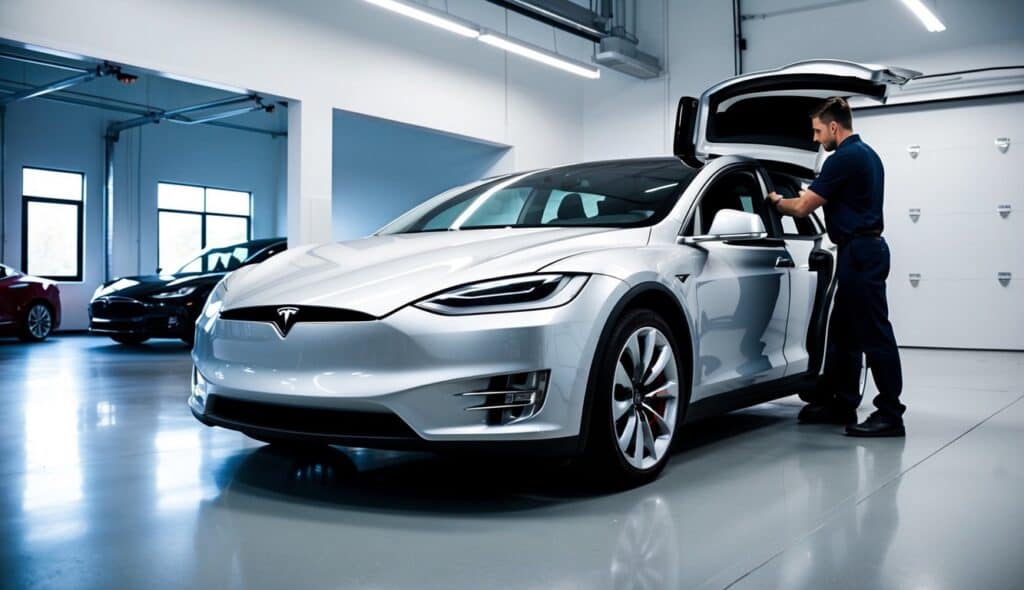
Electric Motors vs. Internal Combustion Engines
Electric motors power Tesla cars. These motors use electricity from batteries to move the wheels, and they have fewer moving parts than gas engines.
Electric motors don’t need oil changes, spark plugs, fuel filters, or timing belts to replace.
Gas engines burn fuel to create motion. They have many parts that rub together and need oil, so they require regular oil changes and more frequent maintenance.
Main Components of a Tesla Electric Powertrain
The key parts of a Tesla’s powertrain are:
- Electric motor
- Battery pack
- Inverter
- Gearbox
The battery pack stores energy. The inverter changes electricity from DC to AC. The gearbox connects the motor to the wheels.
These parts work together to power the car. They don’t need the same upkeep as gas engine parts. Tesla cars have simpler systems with fewer parts that can break.
Comparing Maintenance Needs of EVs and ICE Vehicles
EVs need less maintenance than gas cars. Here’s a quick comparison:
| Maintenance Task | Electric Vehicle | Gas-Powered Vehicle |
|---|---|---|
| Oil Changes | Not needed | Every 3,000-5,000 miles |
| Brake Pad Changes | Less often | More frequent |
| Engine Tune-ups | Not needed | Regular |
| Fluid Checks | Fewer fluids | More fluids to check |
EVs don’t need oil changes or engine tune-ups. They use regenerative braking, which makes brake pads last longer.
Gas cars need more frequent service. They have more fluids to check and change, and spark plugs and belts sometimes need replacing.
Tesla recommends checking tire pressure, rotating tires, and replacing cabin air filters. These tasks are more straightforward than most gas car maintenance.
Check out Tesla Model 3 Performance
Do Teslas Need Oil Changes?
Teslas do not need oil changes like gas-powered cars. They use electric motors instead of combustion engines, which affects their lubrication needs.
Role of Lubrication in Electric Cars
Electric cars like Teslas still need some lubrication, but not engine oil. They use special greases for their moving parts, which last a long time and don’t need regular changes.
Teslas have fluids in other areas. The brakes use brake fluid, the battery cooling system has coolant, and some models have transmission fluid in their gearboxes.
These fluids may need checking or topping up sometimes. But this happens much less often than oil changes in regular cars.
Differences in Oil Use Between Tesla and Traditional Vehicles
Traditional cars burn gas in their engines, creating heat and friction. Engine oil helps reduce this wear and tear. It needs changing every few thousand miles.
Teslas don’t have this issue. Their electric motors have fewer moving parts, so they don’t get as hot or create as much friction.
This means Teslas need less maintenance overall. Owners save time and money on routine services, and they don’t have to worry about regular oil changes or tune-ups.
But Teslas still need some care. Tire rotations, brake checks, and software updates are essential. Following Tesla’s maintenance schedule helps keep the car running well.
Routine Maintenance for Teslas
Teslas require less maintenance than traditional gas-powered cars, but they still need regular upkeep to stay in top shape. Key focus areas include the brake system, cooling system, wheels and tires, and cabin air filtration.

Brake System Maintenance
Tesla brakes need regular checks and servicing. Brake fluid should be replaced every two years to keep the brakes working well and prevent problems. Tesla recommends cleaning and lubricating brake calipers yearly in areas where roads are salted in winter.
Brake pads on Teslas often last longer than those on gas cars. This is because of regenerative braking, which slows the car using the electric motor. Still, brake pads should be checked regularly and replaced when worn.
Tesla owners should watch for any unusual noises or changes in braking performance. If these occur, it’s time for a check-up.
Cooling System and Coolant Requirements
Teslas use coolant to keep their battery packs and motors at the right temperature. Unlike oil in gas cars, this coolant doesn’t need frequent changes. Tesla suggests checking coolant levels during regular service visits.
The cooling system should be inspected for leaks or damage. If coolant levels drop, it could mean there’s a leak. This needs prompt attention to protect the battery and motor.
Tesla coolant is designed to last for years. But it will eventually need replacement. The exact timing varies by model and use. Tesla service centers can check the coolant condition and replace it when needed.
Wheel and Tire Maintenance
Regular tire rotation is key for even wear and longer tire life. Tesla recommends rotating tires every 6,250 miles or when the tread depth difference is 2/32 inch or more.
Tire pressure should be checked monthly. Proper inflation helps with range, handling, and tire life. Tesla cars have a tire pressure monitoring system, but manual checks are still good practice.
Wheel alignment should be checked if the car pulls to one side or if tire wear is uneven. Proper alignment helps with handling and tire life.
Tesla tires are often special low-rolling-resistance types. These help with range but may wear faster than standard tires. Regular checks and timely replacement are essential.
Cabin Air Filtration Systems
Tesla cars use advanced air filtration systems to keep cabin air clean. The standard cabin filter should be replaced every 2 years or as needed.
Some Teslas have a HEPA filter system called Bioweapon Defense Mode. This system needs less frequent changes but should be checked during service visits.
Tesla recommends running the cabin air system on its highest setting for a few minutes each month. This helps keep the system clean and working well.
Owners should watch for reduced airflow or strange smells from vents. These can signal that it’s time to change the filter.
Check out Can I charge my Tesla to 100% everyday?
Additional Maintenance Considerations
Tesla vehicles need specific care beyond oil changes. Key areas include battery management, braking system upkeep, and software maintenance.

Battery Care and Maintenance
Tesla batteries require proper care for optimal performance. For daily use, keep the battery charge between 20% and 80%. Avoid frequent fast charging, as it can speed up battery degradation. In cold weather, precondition the battery before driving to improve range and efficiency.
Park in shaded areas during hot weather to prevent excessive heat exposure. For long-term storage, maintain a 50% charge level. Tesla recommends an annual battery inspection at a service center.
Regenerative Braking System
Regenerative braking is a key feature of Tesla vehicles. It captures energy during deceleration and recharges the battery. This system reduces wear on brake pads, extending their lifespan.
Regular brake fluid changes are still needed every 2 years. Check brake pads during tire rotations. In areas with heavy salt use, clean brake calipers yearly.
Adjust regenerative braking strength in vehicle settings for comfort and efficiency.
Software Updates and Diagnostics
Tesla regularly releases software updates to improve vehicle performance and add new features. Enable automatic updates for the latest enhancements. Some updates may require manual installation at a service center.
Tesla’s onboard diagnostics system monitors vehicle health. It can detect issues early and alert drivers. When prompted, schedule service appointments through the Tesla app.
Remote diagnostics allow Tesla technicians to assess problems without a physical inspection. This can save time and prevent unnecessary service visits.
Tesla Maintenance Schedule
Tesla vehicles require less frequent maintenance than traditional gas-powered cars. This leads to cost savings and convenience for owners over time.
Service Intervals and Recommendations
Tesla recommends checking brake fluid health every 4 years. They may replace it if needed. The air conditioning desiccant bag should be swapped out every 4 years as well.
Tire rotation, balance, and alignment should be done every 6,250 miles or if uneven wear is noticed. Cabin air filter replacement is suggested every 2 years.
Tesla doesn’t require regular oil changes or spark plug replacements. Electric motors don’t need these services.
Many maintenance tasks can be done through over-the-air software updates. This reduces trips to service centers.
Cost-Effectiveness of Tesla Maintenance
Tesla maintenance costs are often lower than for gas cars. Oil changes, fuel system upkeep, or emissions checks are unnecessary.
Electric vehicles’ simpler design means fewer moving parts to break down or replace, cutting long-term repair costs.
Tesla offers pre-paid maintenance plans. These can save money compared to a pay-as-you-go service.
Mobile service technicians can perform many repairs at owners’ homes or workplaces, saving time and potentially reducing service fees.
While the initial purchase price of a Tesla is higher, lower maintenance costs help offset this over time.
Servicing Your Tesla
Teslas require less maintenance than gas-powered cars, but still need regular check-ups. Proper servicing keeps your Tesla running smoothly and safely.
Finding a Qualified Service Provider
Tesla recommends using their official service centers for maintenance. These centers have technicians trained to work on Tesla’s unique systems. They use special tools and software to diagnose and fix issues.
You can find a Tesla service center through the company’s website or mobile app. Some areas also have Tesla mobile service units that come to you.
If there’s no Tesla center nearby, look for certified electric vehicle (EV) mechanics. Make sure they have experience with Tesla models. Ask about their training and tools for EV repairs.
Tesla’s Official Maintenance Services
Tesla offers a range of services to keep your car in top shape. These include:
- Software updates
- Tire rotations and replacements
- Brake fluid checks
- Air conditioning service
- Battery health checks
Tesla cars don’t need oil changes or many traditional services. The company uses an “as-needed” approach to maintenance. You only service parts when required, not on a set schedule.
You can book services through the Tesla app or website. The app also shows your car’s health and alerts you to needed maintenance.
Aftermarket Service Options
Some drivers choose to have their maintenance done at non-Tesla shops. This can be cheaper or more convenient, but it also has risks.
Third-party shops may lack Tesla-specific knowledge. They might not have access to all Tesla parts or diagnostic tools.
Some services aftermarket shops can handle:
- Tire changes and rotations
- Brake pad replacements
- Windshield wiper replacements
- Basic body repairs
Stick with Tesla service centers for complex issues or anything related to the electric drivetrain. This helps protect your warranty and ensures proper repairs.
Always check if using an outside shop will affect your Tesla warranty. Some services by non-Tesla providers might void parts of your coverage.
Frequently Asked Questions
Tesla owners often have questions about maintaining their electric vehicles. Let’s address some common queries about Tesla maintenance and servicing.
What maintenance does a Tesla car typically require?
Tesla cars need less maintenance than gas-powered vehicles. They require tire rotations, brake fluid checks, and cabin air filter replacements. The windshield wipers and washer fluid also need regular attention.
How often should a Tesla vehicle be serviced for optimal performance?
Tesla recommends servicing the car every year or 12,500 miles. This includes checking the brake fluid, cabin air filter, and tire condition. Some parts may need replacement based on wear and tear.
What are the expected maintenance costs for owning a Tesla?
Maintenance costs for Teslas are generally lower than those of traditional cars. The exact amount varies based on the model and usage. Owners can expect to pay for tire rotations, brake services, and occasional part replacements.
Is there any lubrication needed for a Tesla’s electric motor?
Tesla’s electric motors don’t need regular lubrication. They come pre-lubricated from the factory. This sealed system helps reduce maintenance needs and keeps the motor running smoothly for a long time.
How does the absence of traditional oil changes affect Tesla’s maintenance schedule?
Without oil changes, Tesla’s maintenance schedule is simpler. It focuses on other aspects like tire care, brake fluid checks, and battery health, resulting in fewer service visits and lower long-term maintenance costs.
Do Tesla cars come with an oil filter as part of their system?
Tesla cars don’t have oil filters. They use electric motors that don’t require engine oil, eliminating the need for oil changes and oil filter replacements, simplifying the car’s maintenance needs.
Conclusion
Teslas do not need oil changes. They have electric motors instead of gas engines. This means no engine oil is required to be replaced regularly.
Tesla owners save time and money on maintenance. There’s no need for oil changes every few thousand miles, and the cars have fewer moving parts that can wear out.
Regular service is still important for Teslas. Owners should check tire pressure, replace cabin air filters, and rotate tires. The brake fluid needs changing every 2 years.
Tesla’s design focuses on low maintenance. Features like regenerative braking help parts last longer, making Teslas easier to care for than gas-powered cars.
While Teslas don’t need oil changes, they still benefit from proper care. Following Tesla’s guidelines helps keep the car running smoothly for years.

Hi, I’m Marybeth, an electric car enthusiast living in New York in the USA. As the owner of electriccartalks.com, I love sharing my knowledge on EV tips, battery maintenance, and charging solutions. As a proud Tesla owner, I blend my personal experiences with professional insights to offer valuable information to fellow EV enthusiasts. Through my articles, I aim to empower others to make informed decisions about their electric vehicles. Read more