
Electric vehicles are often touted as a cleaner alternative to gas-powered cars. But do they really cause less pollution? The answer isn’t as simple as it may seem.
While electric vehicles produce zero tailpipe emissions, they still have an environmental impact. The electricity used to charge them often comes from power plants that burn fossil fuels. Electric cars also create pollution during manufacturing, especially their batteries.
Still, studies show electric vehicles typically produce fewer overall emissions than gas cars. As power grids get cleaner, the benefits of electric cars will likely grow. Their impact depends on many factors, including where and how they’re made, charged, and driven.
The Principle of Electric Vehicles
Electric vehicles (EVs) run on battery power rather than gasoline. They produce zero direct emissions while driving. The way EVs work is quite different from traditional cars.
Comparison to Internal Combustion Engines
EVs use electric motors instead of gas engines. They get power from rechargeable batteries, not fuel tanks. EVs are much quieter than regular cars. They also have fewer moving parts.
Electric motors provide instant torque. This means EVs can accelerate quickly from a stop. They don’t need gears like gas cars do. EVs are more energy efficient too. They convert about 60% of electrical energy to power at the wheels. Gas cars only convert 20% of fuel energy to power.
EVs do have some downsides. They take longer to refuel than gas cars. Their driving range is usually shorter. But battery tech is always improving.
Electricity Production and EVs
The environmental impact of EVs depends on how their electricity is made. If it comes from coal plants, EVs still cause some pollution. But if the power is from clean sources, EVs are very green.
Many countries are moving toward cleaner electricity. This makes EVs better for the planet over time. Even with today’s average electricity mix, EVs produce less pollution than gas cars.
The batteries in EVs can also store energy from the power grid. This helps balance supply and demand. It can make the grid more stable and efficient.
Manufacturing Impact of EVs
Electric vehicle production involves energy-intensive processes and raw material extraction. These factors contribute to the initial environmental footprint of EVs.
EV Battery Creation
EV batteries require mining and processing of materials like lithium, cobalt, and nickel. This can lead to habitat disruption and water pollution near mining sites. Battery manufacturing also uses a lot of energy, often from fossil fuel sources.
Lithium-ion batteries, the most common type in EVs, need careful handling during production. The process generates some toxic waste and emissions. As battery tech improves, manufacturers are working to reduce these impacts.
Recycling EV batteries is getting better. This helps cut down on new mining needs. It also lowers the overall environmental cost of battery production.
Life-Cycle Analysis
When comparing EVs to gas cars, it’s important to look at their whole life cycle. EVs start with a bigger carbon footprint due to battery production. But this evens out over time as they produce fewer emissions while driving.
A typical EV might create 4 tons of CO2 during manufacturing. This is more than a gas car. Yet, over 200,000 miles of driving, an EV produces less total emissions. The exact difference depends on the local power grid’s cleanliness.
The break-even point where an EV becomes cleaner than a gas car varies. It can range from 6,000 to 50,000 miles driven. As manufacturing gets cleaner, this point will come sooner for new EVs.
Emissions During Vehicle Use
Electric vehicles (EVs) and gas-powered cars produce different types of emissions while in use. The main difference is that EVs don’t have tailpipe emissions, but both vehicle types create some non-tailpipe emissions.
Tailpipe Emissions
Gas-powered cars release exhaust gases directly into the air through their tailpipes. These emissions contain carbon dioxide, a major greenhouse gas that contributes to climate change.
Tailpipe emissions make up about 74% of a gas car’s total emissions over its lifetime. This includes carbon monoxide, nitrogen oxides, and particulate matter, which can harm air quality and human health.
EVs produce zero tailpipe emissions since they don’t burn fuel. This gives them a big advantage in reducing air pollution, especially in cities.
Non-Tailpipe Emissions
Both EVs and gas cars create non-tailpipe emissions from brake and tire wear. These tiny particles can be harmful when breathed in.
EVs are often heavier than gas cars due to their batteries. This extra weight can lead to more tire and brake wear, potentially increasing particle emissions.
However, many EVs use regenerative braking, which reduces brake wear. This helps offset some of the increased emissions from their higher weight.
Overall, EVs still produce far fewer total emissions during use compared to gas-powered vehicles. Their lack of tailpipe emissions more than makes up for any increase in non-tailpipe emissions.
End-of-Life Vehicle Processing
Electric vehicles need proper handling when they reach the end of their useful life. This involves recycling batteries and disposing of other components. The process aims to recover valuable materials and reduce environmental impacts.
Battery Recycling and Reuse
EV batteries can be recycled or reused when they no longer power cars effectively. Recycling extracts metals like lithium, cobalt, and nickel. These materials are then used to make new batteries.
Some old EV batteries find new life in energy storage systems. They can store power from solar panels or wind turbines. This extends their usefulness before final recycling.
Specialized facilities handle EV battery recycling. The process involves:
- Disassembling battery packs
- Separating different components
- Extracting valuable metals
- Processing materials for reuse
Disposal and Environmental Costs
Proper EV disposal helps cut down on pollution and waste. But the process still has some environmental costs.
Recycling EV parts uses energy and can create emissions. Some materials in EVs are hard to recycle fully. This can lead to leftover waste.
EVs contain hazardous materials that need careful handling. These include:
- Battery chemicals
- Electronic components
- Coolants and lubricants
Safe disposal of these items is key to protecting the environment. It also helps prevent harmful substances from entering soil or water.
Improving recycling tech can lower the environmental impact of EV disposal. Better methods may recover more materials and reduce waste.
Incentives and Infrastructure
Governments and businesses are taking steps to make electric vehicles more appealing and practical. These efforts focus on financial incentives and building out charging networks.
Government Incentives
Many countries offer tax credits and rebates to EV buyers. In the U.S., federal tax credits can reduce the cost of an EV by up to $7,500. Some states give extra incentives on top of this. For example, California offers rebates up to $2,000 for EVs.
These incentives aim to make EVs more affordable for more people. They help offset the higher upfront costs of electric cars compared to gas-powered ones. The goal is to speed up EV adoption and cut emissions from transportation.
Some places also give perks like free parking or access to carpool lanes for EV drivers. These non-financial incentives can make EV ownership more attractive in crowded cities.
Charging Infrastructure Development
A key challenge for EVs is having enough places to charge. Both public and private groups are working to build more charging stations. The U.S. government plans to install 500,000 new public chargers by 2030.
Fast-charging stations are being added along highways to enable long-distance EV travel. Many cities are putting in streetside chargers for people without home charging access. Some stores and workplaces now offer free charging to attract customers and employees.
Charging speed is also improving. New ultra-fast chargers can add hundreds of miles of range in just 15-20 minutes. This helps address “range anxiety” – the fear of running out of power on long trips.
Environmental and Climate Impact
Electric vehicles offer significant climate benefits compared to gas-powered cars. They produce fewer emissions over their lifetime, but manufacturing impacts must be considered.
Comparative Benefits and Drawbacks
EVs create zero tailpipe emissions, reducing air pollution in cities. They emit 50-70% less greenhouse gases than gas cars over their lifetime in most parts of the U.S.
EV batteries require energy-intensive mining and production. This creates more emissions during manufacturing than for gas cars.
But EVs make up for this difference after 6-18 months of driving, depending on the local electricity mix.
As power grids get cleaner, the climate benefits of EVs increase further.
The Role of EVs in Climate Change Mitigation
Transportation causes about 29% of U.S. greenhouse gas emissions. EVs can help cut these emissions sharply.
Replacing gas cars with EVs could reduce U.S. carbon pollution by over 1 billion metric tons per year by 2050.
EVs also enable greater use of renewable energy in the power grid. Their batteries can store solar and wind power for later use.
Wide EV adoption, combined with clean electricity, is key to meeting climate goals and limiting global warming.
The Future of Mobility
Electric vehicles are changing how we get around. New technologies and clean energy are making cars better for the planet.
Advancements in EV Technology
Electric cars are getting better fast. Batteries now last longer and charge quicker. Some new EVs can go over 400 miles on a single charge. This helps people feel more at ease about taking long trips.
Car makers are also making EVs cheaper. As more people buy them, prices will keep going down. This means more folks can afford to drive electric.
New materials are making EVs lighter and stronger. This helps them use less energy and go farther. Some companies are even working on solar panels for car roofs.
Potential for Clean Energy Integration
EVs can work with clean energy sources. More solar and wind power means cleaner electricity for cars. This cuts down on pollution even more.
Smart grids are being built to handle lots of EVs charging at once. These grids can use extra power from car batteries when needed. This helps balance the whole power system.
Some places are testing roads that can charge cars as they drive. This could make long trips easier and cut down on big charging stations. It’s still new, but it shows how EVs might change our roads in the future.
Market Trends and Consumer Behavior
Electric vehicles are gaining popularity worldwide. Sales are rising as more people choose EVs over gas cars. This shift is changing how people think about and buy cars.
Sales Trends of EVs versus ICE Vehicles
EV sales grew a lot in recent years. In 2021, people bought 6.75 million EVs globally. This was more than double the sales from 2020. EVs now make up 8.3% of all car sales. This is way up from just 0.2% in 2012.
Gas-powered cars still sell more than EVs. But their share of sales is going down. Many car makers are now focusing on making more EVs. They see this as the future of cars.
Some countries are pushing for more EV use. They offer tax breaks and other perks to EV buyers. This helps boost EV sales even more.
Consumer Perceptions and Decision-making
People’s views on EVs are changing. Many now see EVs as a good choice for the environment. They think EVs can help cut down on pollution from cars.
But some worry about how far EVs can go on one charge. They also think about the cost of buying an EV. These factors affect their choice to buy an EV or not.
People also think about where their electricity comes from. If it’s from clean sources, they feel better about using an EV. If it’s from coal or gas, they might worry about pollution from power plants.
Car makers are working to address these concerns. They’re making EVs that can go farther and cost less. This is helping more people choose EVs over gas cars.
Frequently Asked Questions
Electric vehicles raise many questions about their environmental impact. Let’s look at some common concerns about EVs and pollution.
How much CO2 do electric cars emit throughout their lifecycle?
Electric cars produce zero direct emissions while driving. Their total lifecycle emissions depend on the power sources used to charge them. In areas with clean electricity, EVs can cut emissions by 50% or more compared to gas cars.
What are the environmental disadvantages of electric vehicles?
EV battery production requires mining of raw materials like lithium and cobalt. This can harm local ecosystems if not done responsibly. Improper battery disposal at end-of-life could also leak toxic chemicals.
Can the production of electric cars lead to more pollution than the production of traditional cars?
Making EV batteries is energy-intensive and creates more emissions than building gas engines. But EVs make up for this during their years of zero-emission driving. Their total lifecycle pollution is typically lower than gas cars.
What is the carbon footprint comparison between electric cars and internal combustion engine vehicles?
EVs usually have a smaller carbon footprint over their full lifecycle. The exact difference varies by country and electricity sources. In the US, an average EV produces about half the emissions of a gas car from manufacturing through driving.
Do electric car tires contribute significantly to environmental pollution?
EV tires wear out faster due to the cars’ heavier weight. This releases more rubber particles into the air and water. But tire pollution from EVs is a small portion of their total environmental impact.
Are hybrid vehicles more or less environmentally friendly than fully electric cars?
Hybrids fall between gas cars and full EVs in environmental impact. They produce some tailpipe emissions but less than gas-only cars. Full EVs are generally cleaner, especially when charged with renewable energy.
Conclusion
Electric vehicles do cause some pollution, but less than gas-powered cars overall. Their main environmental impact comes from manufacturing and electricity generation.
EV production creates more emissions upfront due to battery manufacturing. However, EVs make up for this over their lifetime through lower operating emissions.
The electricity used to charge EVs can cause pollution, depending on the power source. Areas with cleaner grids see greater emission reductions from EVs.
EVs produce more particulate pollution from tire and brake wear due to their heavier weight. This is an area for potential improvement in future designs.
Despite some drawbacks, research shows EVs are cleaner than gas cars in most cases. Their environmental benefits will likely grow as electrical grids get cleaner.
Ongoing advances in EV technology and manufacturing are expected to further reduce their environmental impact in coming years.
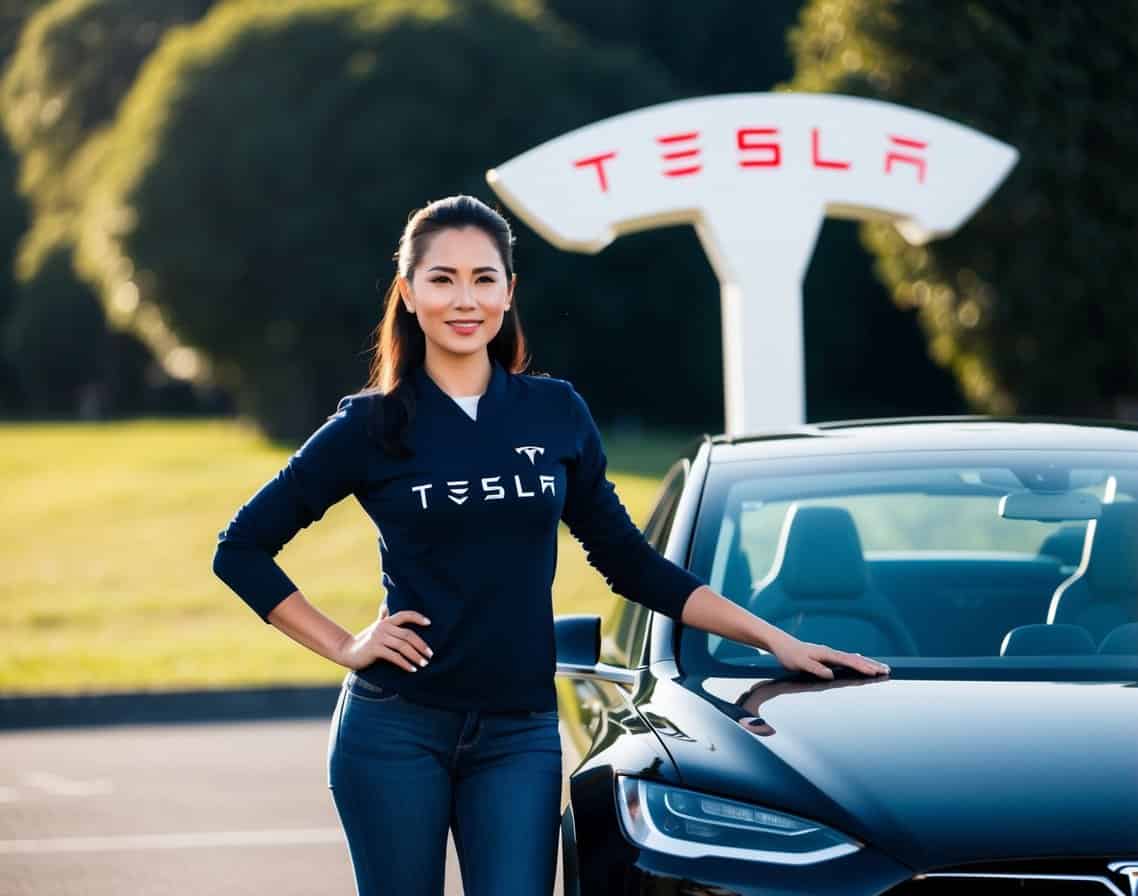
Hi, I’m Marybeth, an electric car enthusiast living in New York in the USA. As the owner of electriccartalks.com, I love sharing my knowledge on EV tips, battery maintenance, and charging solutions. As a proud Tesla owner, I blend my personal experiences with professional insights to offer valuable information to fellow EV enthusiasts. Through my articles, I aim to empower others to make informed decisions about their electric vehicles. Read more