
Electric car owners in the UK might wonder about the cost of replacing their vehicle’s battery. The current cost of an electric car battery replacement can be as high as £15,000 depending on the model and capacity of the battery. For instance, a Tesla Model S battery with a higher capacity could cost around £11,800 to replace.
Even though the prices are high, they have significantly decreased over the years. In 2023, the average cost of a lithium-ion electric car battery was £109.25 per kWh, down from £613.04 in 2013. The cost can vary based on factors like the vehicle’s brand and the specific battery type it uses.
The cost for an electric car battery replacement also includes labor charges. For example, removing and replacing a Tesla Model S battery, which costs close to £8,870, could increase when labor is factored in. With these considerations, understanding the cost breakdown helps potential and current electric car owners plan better for their vehicle maintenance.
Understanding Electric Vehicle Batteries
Electric vehicle (EV) batteries are a crucial component of the vehicle’s power. These batteries are typically lithium-ion batteries, which are commonly used due to their high energy density and performance.
Each battery consists of several cells, which are the smallest units and are grouped together into modules. Multiple modules form the complete battery pack, storing and delivering the energy needed to drive the car.
Energy density is a key factor in these batteries. It measures how much energy a battery can store relative to its weight. Higher energy density means a longer driving range for the EV while keeping the battery size compact.
Battery technology is continuously evolving. Advances aim to improve battery performance, making them lighter, more efficient, and quicker to charge. This directly affects the driving experience, as better batteries can power vehicles for longer distances and reduce charging time.
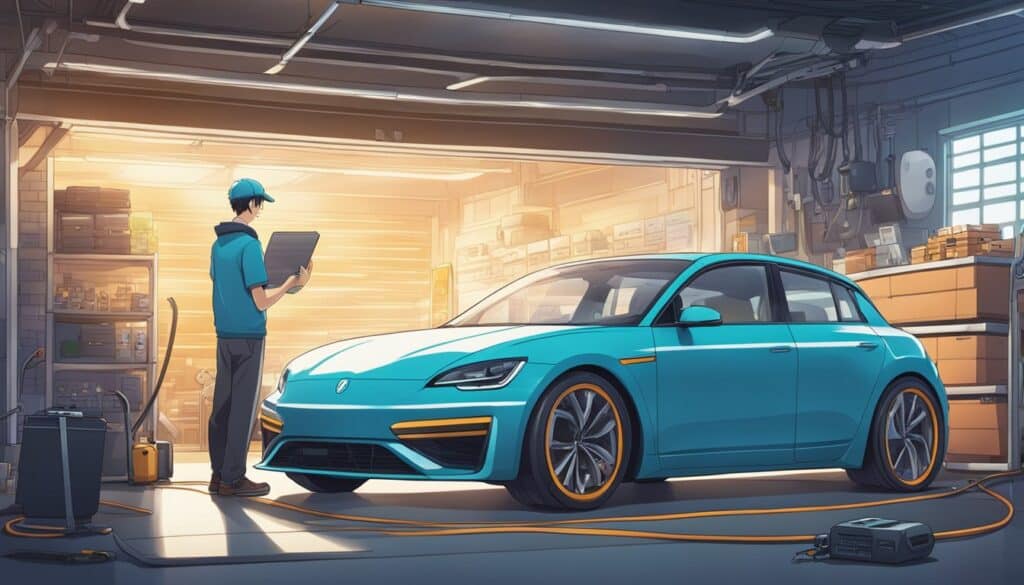
EV batteries also feature systems to manage their temperature and maintain performance. This helps ensure safety and longevity, as lithium-ion batteries can degrade if they’re too hot or too cold.
Here’s a simple breakdown of EV battery components:
| Component | Description |
|---|---|
| Cells | Smallest energy units |
| Modules | Groups of cells |
| Battery Pack | Collection of modules |
Understanding these basics helps appreciate electric vehicle batteries’ complexity and sophistication. They play a significant role in the efficiency and viability of EVs in the transportation industry.
Check out How Long Does It Take to Charge a Tesla with a Supercharger?
Factors Affecting Battery Replacement Cost
Several key factors can influence the cost of replacing an electric car battery. The cost variations can be attributed to the battery’s size and capacity, the specific make and model of the vehicle, and the battery’s age and degradation.
Battery Size and Capacity
The size and capacity of the battery play crucial roles in determining the replacement cost. Larger batteries with higher capacity, measured in kilowatt-hours (kWh), are generally more expensive. For example, a battery with 100 kWh will cost more than a 40 kWh battery.
Cars with high-energy-density batteries, like the Tesla Model S, tend to have higher replacement costs. On the other hand, smaller electric vehicles, such as the Renault Zoe, may have more affordable battery replacement costs due to their smaller battery size.
Make and Model Specifics
The make and model of the electric vehicle significantly affect battery replacement costs. Premium brands often have higher costs due to specialized parts and labor.
For instance, replacing a battery in a Tesla Model 3 can be more expensive compared to a Nissan Leaf.
Additionally, some manufacturers offer refurbished batteries, which can lower the replacement cost. For example, Tesla offers refurbished batteries for the Tesla Model S, which might be a cost-effective option.
Battery Age and Degradation
The age and degradation of the battery are also critical factors. Over time, batteries lose their capacity to hold a charge, which can necessitate a replacement. Older batteries are more likely to experience significant degradation, leading to higher costs.
For instance, if a Hyundai Kona Electric battery has drastically degraded, it will require expensive replacement compared to a relatively newer battery with less degradation.
Regular maintenance and proper charging practices can help extend the life expectancy of EV batteries, potentially reducing the frequency and cost of replacements.
Check out Why Are Electric Car Battery Dangers Often Overlooked?
Current Market Prices for EV Batteries in the UK
The cost of replacing an electric vehicle (EV) battery varies by model and battery capacity.
On average, the cost for EV batteries in the UK is around £118 per kilowatt-hour (kWh). A Tesla Model S with a 100 kWh battery could cost approximately £11,800 to replace.

Average Costs for EV Batteries:
| Battery Size | Estimated Cost (£) |
|---|---|
| 40 kWh | 4,720 |
| 60 kWh | 7,080 |
| 100 kWh | 11,800 |
While the prices have dropped significantly over the years, they remain high compared to traditional car batteries, which range from £60 to £320.
In 2023, the average cost of a lithium-ion EV battery was $139 per kWh, or about £109.25 per kWh in the UK. This is a marked decrease from 2013, when costs were as high as $780 per kWh.
The demand for EV batteries is increasing rapidly, mainly driven by the rise in electric car sales. In 2023, EV battery demand reached over 750 GWh, up 40% from the previous year. While this boosts supply needs, it also impacts the pricing and availability of materials like lithium.
The cost of battery replacement depends heavily on the specific vehicle and its design. Some models allow easier access to their battery packs, while others use custom designs that are more challenging to replace.
Read Best Practices for Electric Vehicle Charging Infrastructure
Labour and Additional Costs
Replacing an electric car battery involves not just the cost of the battery itself, but also the labor and additional components needed for the job. Understanding these costs can help electric car owners budget more effectively.
Installation and Labour Costs
Labor costs for replacing an electric car battery can vary significantly. For instance, the labor for battery replacement usually ranges from about £460 to £1,530. This cost can depend on the car model and the complexity of the battery system.
Labor commonly involves disconnecting and removing the old battery, installing the new one, and reprogramming the vehicle’s computer system. The process can take three to five hours.
Hiring a certified mechanic or visiting a specialized service center often ensures that the replacement is done correctly and safely.
Supplementary Components and Services
Additional costs can include parts needed to support the new battery. These may consist of coolant, wiring, and connectors. The price of these components generally ranges from £90 to £300 but can sometimes be higher depending on the vehicle’s specifications.
The replacement may sometimes require a new battery management system or other electronic controls. Taxes and service fees might also add to the total expense.
Warranty options might cover part or all of these supplementary costs, so it’s advisable to check the vehicle’s warranty coverage.
Check out Why Do Electric Car Batteries Burn So Long?
Manufacturer’s Warranty and Insurance
Understanding both the warranty and insurance options is crucial for managing the costs related to EV battery replacement. This information is key for knowing what expenses may be covered and which ones are not.
Warranty Coverage
Manufacturers typically offer warranties for EV batteries to protect owners from early failures. Most warranties last between 8 to 10 years or cover 100,000 miles.
Tesla, for instance, offers a warranty on the Model S battery, providing coverage for a specified number of years or miles, whichever comes first.
Warranties generally cover the replacement cost if the battery capacity falls below a certain percentage, usually 70%. This means if your battery depletes faster than expected, the manufacturer should replace it at no additional cost. Be sure to read the fine print of your vehicle’s warranty to understand the full extent of what is covered.
Insurance Policies and Claims
Insurance can also play a crucial role in covering EV battery replacement costs. Not all insurance policies automatically include coverage for the battery, so it’s essential to check your policy details.
Some comprehensive car insurance plans may cover damage or theft of the battery, while others do not.
It’s important to note that filing a claim for battery replacement may impact your insurance premiums. Always weigh the cost of potential premium increases against the battery replacement cost.
Speak with your insurer to get a clear picture of your coverage limits and any exclusions that may apply.
Read Why Are Electric Car Batteries So Heavy?
Potential Savings and Incentives
Electric car owners in the UK can benefit from multiple savings and financial incentives. These advantages include government subsidies for purchasing electric vehicles and ongoing savings on energy and maintenance costs.

Government Incentives and Subsidies
The UK government offers various incentives to encourage the adoption of electric vehicles. Plug-in Car Grants are available, reducing the purchase price of eligible electric cars by up to £2,500.
Additionally, home charging point grants provide up to £350 towards the installation of a charger.
Road tax exemptions for zero-emission vehicles help to further reduce costs. Local incentives such as free or discounted parking for electric cars can also offer additional savings over time.
Energy and Maintenance Savings
Energy costs for electric vehicles are generally lower than those for petrol or diesel cars. Charging an electric car at home is significantly cheaper per mile driven than fueling with conventional fuels.
The savings on maintenance are also notable; electric cars have fewer moving parts, leading to fewer breakdowns and lower overall maintenance costs.
Research indicates that EVs can cut maintenance costs by as much as 50%. Regular oil changes are unnecessary, and brake wear is reduced due to regenerative braking systems. These factors contribute to long-term savings for electric vehicle owners.
In summary, the combination of government incentives and reduced energy and maintenance expenses makes owning an electric car economically attractive in the UK.
Conclusion
Replacing an electric car battery in the UK can be expensive. The cost per kWh is a major factor. In 2021, the average cost was about £87 per kWh.
For a Tesla Model S battery, this means nearly £8,870 just for the battery. This does not include labor.
Another source states the average cost per kWh today is around £118. Therefore, a Kia EV6’s 77.4kWh battery might cost around £9,136 to replace.
The type and brand of battery also matter. Prices for smaller batteries, like those for phones, can range from £20 to £80. Car batteries can cost between £60 and £150.
Prices will vary with advancements and market changes. It is important to consider these variables when estimating costs.
You may also like:
- Are Electric Car Batteries Made of Lithium?
- Why Is My Electric Car Battery Draining So Fast?
- How to Charge Electric Car with No Driveway?

Hi, I’m Marybeth, an electric car enthusiast living in New York in the USA. As the owner of electriccartalks.com, I love sharing my knowledge on EV tips, battery maintenance, and charging solutions. As a proud Tesla owner, I blend my personal experiences with professional insights to offer valuable information to fellow EV enthusiasts. Through my articles, I aim to empower others to make informed decisions about their electric vehicles. Read more