
Electric vehicle (EV) owners often wonder if their cars can charge at Tesla’s extensive network of Superchargers.
Yes, certain non-Tesla EVs can use Tesla charging stations. Currently, brands like Ford and Rivian have access to these Superchargers.
BMW plans to join the network in 2025, using adapters for existing models.
Tesla offers different types of Superchargers. Some are exclusively for Tesla vehicles, while others, equipped with a “Magic Dock” adapter, cater to multiple EV brands.
The transition to allowing all EVs is gradual but ongoing, with broader access expected in the near future.
The charging process isn’t as seamless for non-Tesla EVs yet, as they may face higher fees and need adapters. Still, the move towards a more inclusive charging network is a significant step for EV adoption.
Understanding Electric Vehicle Charging
Electric vehicle (EV) charging involves various charger types, standards, and networks. Here’s a deep dive into the key elements that will help you understand how EV charging works and what to consider when charging different electric vehicles.
The Basics of EV Charging
Electric vehicles need electricity to recharge their batteries. EV charging can occur at home, work, or public stations.
Most home chargers connect to the car via a standard charging port that is compatible with many types of electric vehicles. The charging speed depends on the charger’s power output and the vehicle’s battery capacity.
While home charging stations are convenient for overnight charging, public stations offer quicker charging options.
It is essential to understand the capabilities and limitations of different chargers to optimize charging time and efficiency.
Types of EV Chargers
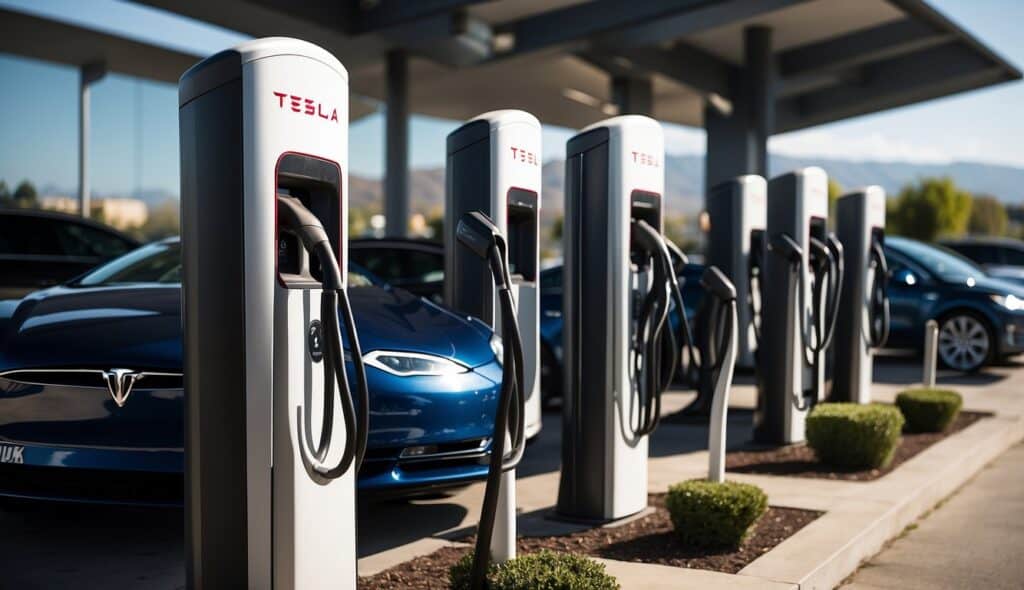
EV chargers are typically categorized into three levels.
- Level 1 chargers use a standard 120-volt outlet and provide the slowest charging speed. These are suitable for overnight charging at home.
- Level 2 chargers operate on 240 volts and can charge a vehicle in several hours. They are commonly found in homes and public charging stations.
- Level 3 chargers, also known as DC Fast Chargers, offer the quickest charging times and are mostly available in public stations. They can charge an EV to 80% in about 30 minutes.
Each type of charger serves different needs, from daily commuting to long road trips, ensuring that EV owners have flexible options.
Charging Standards and Connectors
There are several charging standards and connectors used in electric vehicles.
- CCS (Combined Charging System) is widely adopted and allows for both AC and DC charging.
- CHAdeMO is another standard, mainly used by Japanese car manufacturers.
- NACS (North American Charging Standard), previously known as the Tesla connector, is becoming more common across different brands due to its compact design and compatibility.
The right connector is crucial for accessing various charging stations, especially during travel. The evolving standards aim to improve interoperability and ease of use among different EV models.
Tesla’s Supercharger Network
Tesla’s Supercharger network is one of the most well-known and expansive fast-charging networks.
- Superchargers are Level 3 chargers that offer very high-speed charging.
- Initially exclusive to Tesla vehicles, some Supercharger stations are now open to non-Tesla electric vehicles with appropriate adapters.
The Tesla Supercharger network has a robust infrastructure, supported by Tesla’s software and the Tesla App, which helps users locate stations and monitor charging. It significantly reduces charging times compared to other public chargers, making long-distance travel more accessible for Tesla owners and, increasingly, for other EV drivers as well.
Tesla Charging Stations Compatibility
Tesla’s charging stations are renowned for their efficiency and widespread availability. Key points include Tesla’s proprietary technology, the use of adapters for non-Tesla electric vehicles (EVs), and how different EV brands can access Tesla’s Supercharger network.
Tesla’s Proprietary Technology
Tesla’s charging network uses the North American Charging Standard (NACS). This standard is designed specifically for Tesla vehicles, ensuring fast and efficient charging.
Tesla’s Superchargers deliver high power, allowing Tesla cars to gain significant range in minutes. This technology gives Tesla a competitive edge in the EV market.
Despite being designed for Tesla vehicles, there are ways for non-Tesla EVs to use this network. This requires specific adapters, such as the CCS, to accommodate different charging standards.
Adapter Use for Non-Tesla EVs
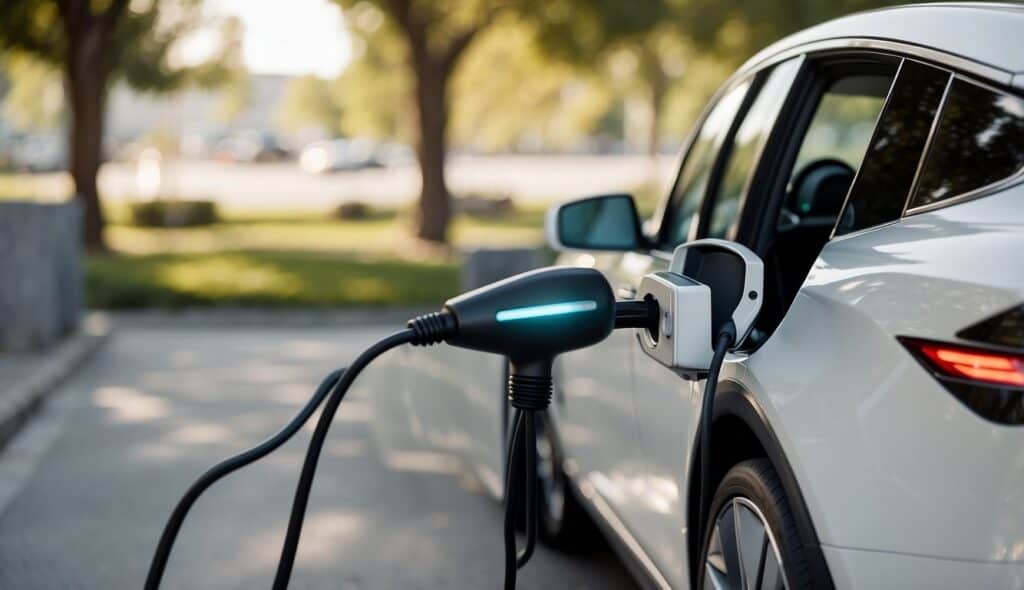
Non-Tesla EVs can use Tesla Superchargers with the help of adapters.
The Magic Dock adapter is a common tool that enables EVs with a Combined Charging Standard (CCS) plug to connect.
Tesla’s charging stations are thus more accessible to a wider range of vehicle owners.
Users must ensure proper adapter compatibility for non-Tesla EVs to charge. Adapters bridge the gap between different charge port designs, making using Tesla’s robust charging infrastructure easier for various EV models.
Non-Tesla Vehicles Access to Superchargers
Some non-Tesla vehicles are gaining broader access to Tesla’s Supercharger network.
Brands like Ford and BMW have started integrating this capability. For instance, Ford EV owners will have access to Superchargers starting in 2024.
Certain models, such as the Ford F-150 Lightning and Mustang Mach-E, will initially use adapters. As more companies join, the compatibility of Tesla’s Supercharger network is set to increase.
Manufacturers create a more integrated and efficient EV ecosystem for all drivers by adapting their vehicles to work with Tesla’s charging infrastructure.
Expanding EV Access to Tesla’s Network
Tesla is opening its Supercharger network to more electric vehicles, which could change how EV drivers access charging stations. This initiative involves new charging standards, automakers’ partnerships, and industry impacts.
Tesla’s Approach to Cross-Brand Charging
Tesla has adopted a new strategy by allowing non-Tesla EVs to use its Supercharger network. This is possible through the North American Charging Standard (NACS), which many automakers are starting to support.
For instance, companies like Mazda are integrating NACS charging ports into their electric vehicles.
EV drivers of various brands can now access Superchargers by updating software and using adapters. This new flexibility can make long-distance travel easier for all EV owners.
Collaborative Initiatives and Agreements
Tesla’s move to open its Supercharger network isn’t happening in isolation.
The company is collaborating with several automakers to expand charging options. For example, Ford has started providing free adapters to its EV owners, ensuring they can use Tesla’s Superchargers until July 1. After that, these adapters will cost $230.
Tesla’s collaboration extends to government goals as well. By 2030, Tesla aims to contribute 7,500 chargers to nationwide charging networks, supporting broader EV adoption.
Industry Impact and EV Adoption
Opening Tesla’s Supercharger network has significant effects on the EV industry.
Previously, Tesla’s proprietary charging network was seen as a major advantage over other automakers. Sharing this resource changes the dynamics, potentially accelerating the shift towards electrification.
More accessible Supercharger stations make electric vehicles a more viable option for many consumers. This could lead to increased EV adoption as the fear of not finding a charger diminishes.
Companies like Electrify America, which manages large networks of charging stations, might also benefit from this expanded access through increased interoperability and customer satisfaction.
Read What Maintenance Does a Tesla Need?
Technical Specifications and Requirements
Tesla Supercharging stations use specific technology and standards. The main factors include compatibility, connectors, and charging authorization software.
Compatibility Factors for Charging
Not all electric vehicles (EVs) can use Tesla’s Supercharger network.
Tesla’s Superchargers were initially designed exclusively for their own models.
The Charging Standard varies among different EV manufacturers. For example, Tesla vehicles in North America use a unique connector, while in Europe, they use the Combined Charging System (CCS) standard.
Other EVs can sometimes access Tesla chargers if they have a compatible adapter. Understanding the vehicle’s charging requirements and ensuring proper adapters are crucial for compatibility.
Tesla’s Connector and Adapter Technology
Tesla connectors are different depending on the region.
North American Tesla models use a distinct connector, whereas European models utilize the CCS2 standard for both AC and DC charging.
Adapters play a significant role in enabling other EVs to charge at Tesla stations.
For instance, Type 2 adapters allow non-Tesla vehicles to use Tesla’s destination chargers, but Supercharger access is more restricted.
Tesla also offers a CHAdeMO adapter for some markets, which broadens compatibility.
Choosing the correct adapter for the vehicle model and the charging station’s requirements is essential.
Tesla Software and Charging Authorization
Tesla uses software to manage and authorize charging.
Each Tesla vehicle has a unique VIN (Vehicle Identification Number), which the system uses to grant access to the Supercharger network.
Tesla’s software handles the charging process, including power levels and user authentication.
Tesla’s software ensures that only authorized vehicles can charge and may require updates for new features or compatibility improvements. Non-Tesla EVs often need specific hardware and software updates to interact with Tesla’s Supercharger network.
Non-Tesla Automakers Charging Strategies
Automakers are increasingly partnering with charging networks and developing their own solutions to enhance accessibility for electric vehicle (EV) owners. Notable strategies include using open plug standards and expanding fast charging networks.
Mainstream Automakers’ EV Solutions
Ford and General Motors (GM) have been at the forefront of integrating Tesla’s charging technology.
Ford’s EVs, such as the Mustang Mach-E, can now easily access Tesla Superchargers through the Magic Dock, which supports the Combined Charging Standard (CCS).
GM is also adopting Tesla’s North American Charging Standard (NACS) to streamline charging experiences for its EV users.
Kia and Hyundai are expanding their networks by collaborating with companies like Electrify America.
Their goal is to ensure broader accessibility and reduce range anxiety for customers. Rivian has also joined this trend by allowing its EVs to use Tesla Superchargers, enhancing its charging infrastructure significantly.

Luxury Brands and Electric Charging
Luxury automakers like Mercedes-Benz, BMW, and Audi are integrating their EVs with more extensive charging networks.
Mercedes-Benz has focused on building its proprietary charging stations but is also adopting Tesla’s technology to ensure compatibility.
BMW has partnered with major charging networks to provide convenient and fast charging solutions for its customers.
These partnerships include deals with companies such as EVgo and ChargePoint, which ensure BMW EV owners have multiple charging options.
Jaguar and Volvo, along with its EV brand Polestar, offer solutions that include access to both public charging networks and home charging systems.
These luxury brands prioritize high-power chargers to reduce charging time and enhance convenience. Their adoption of NACS ensures compatibility with one of the largest charging networks available.
Emerging EV Companies and Charging Technology
Emerging EV companies like Lucid and Rivian are making strides in charging technology.
Lucid offers its own charging network, “Lucid Air Charging.” However, it’s also adopting the NACS to ensure compatibility with existing networks, including Tesla Superchargers.
Rivian has launched the Rivian Adventure Network, which aims to provide fast and reliable charging options primarily in adventurous and remote locations.
By integrating their systems with Tesla’s infrastructure, Rivian is expanding its reach and ensuring that its vehicles can charge almost anywhere.
Other emerging brands, such as Genesis, focus on incorporating CCS into their designs to ensure compatibility with the broadest range of public chargers, including Tesla Superchargers, through adapters.
This approach ensures users have multiple options, enhancing convenience and driving satisfaction.
Check out How Much Can You Make Driving a Tesla with Uber?
Consumer Experience With EV Charging
Charging an electric vehicle (EV) involves several key aspects, including using apps for navigation, understanding pricing and payment, and adhering to proper charging etiquette.
Navigating Charging Networks with Apps
EV owners often rely on apps to find and navigate charging networks.
Apps like the Tesla App and PlugShare help locate nearby charging stations. Users can filter searches by connector type to ensure compatibility.
For instance, modern EVs with a CCS connector can use certain Tesla Superchargers.
These apps also provide real-time data on station availability, helping drivers avoid long waits. Navigation integration within these apps routes users directly to their chosen station.
Pricing and Payment for Charging
Charging prices vary across different networks and locations.
Non-Tesla EVs can expect higher rates at Tesla Superchargers compared to Tesla vehicles, typically charging from $0.48 to $0.55 per kWh.
Users set up payment methods through their chosen app, making transactions straightforward. Some charging networks offer membership plans for reduced rates. It is important to note that charging costs can be billed per minute or per kilowatt-hour (kWh).
Charging Etiquette and Best Practices
Good charging etiquette ensures a smooth experience for everyone. EV owners should:
- Only use the station while charging and move their vehicle once charging is complete.
- Avoid blocking chargers during peak hours.
- Report any malfunctions to the station operator via the app.
Respecting these practices creates a more efficient and courteous environment at the charging hub. It’s also recommended to keep the station area clean and avoid monopolizing high-speed chargers for extended periods.
Read Can You Charge an Electric Car in the Rain?
Future of EV Charging and Tesla’s Role
Tesla is shaping the future of electric vehicle (EV) charging through innovative infrastructure, expansion of its Supercharger network, and adapting to evolving regulations and environmental considerations. The specifics covered include advancements in charging tech, strategic growth plans, and the impacts on users and the environment.
Innovations in Charging Infrastructure
Tesla has been at the forefront of developing new charging technologies. Their Supercharger Network is known for its speed and ease of use.
Recently, Tesla has been working on adapting its chargers to support the combined charging system (CCS), making it easier for non-Tesla EVs to charge at Tesla Superchargers.
This move is significant as it aims to standardize charging across different automakers.
Moreover, Tesla’s introduction of the North American Charging Standard (NACS) is an attempt to lead the industry towards a unified standard.
Integrating CCS and NACS can enhance compatibility, reduce confusion, and promote interoperability among various EV brands.
Tesla’s Supercharger Expansion Plans
Tesla has ambitious plans to expand its Supercharger network globally. They aim to increase the number of stations and install new chargers at strategic locations.
For instance, Tesla plans to open its Supercharger locations to Rivian and other non-Tesla vehicles, which will reduce range anxiety and improve accessibility for all EV owners.
In the U.S., major automakers like BMW and GM have teamed up with Tesla to install 30,000 public fast chargers, significantly boosting the availability of charging options. This collaboration reflects a growing trend towards creating a more robust, widely available EV charging infrastructure.
Regulations and Environmental Impact
Government regulations are playing a crucial role in shaping the EV charging landscape.
Tesla’s compliance with these regulations and its partnerships with other automakers are essential in standardizing the charging ports and systems.
Such initiatives ensure a smoother transition toward an electric-only future.
Environmental impact is also a core consideration.
Tesla is committed to reducing its carbon footprint through sustainable practices in building and operating its charging stations.
The goal is to utilize renewable energy sources to power these stations, which would align with broader environmental goals and reinforce the company’s dedication to reducing emissions.
These combined efforts benefit Tesla owners and pave the way for a more inclusive and environmentally friendly charging infrastructure for all EV users.
FAQs
1. Can Any Electric Vehicle Use a Tesla Supercharger?
Not all electric vehicles can use Tesla Superchargers. Tesla has made some of its Supercharger network accessible to non-Tesla EVs, but this is limited to specific locations and requires compatible adapters.
2. How Do Non-Tesla EVs Use Tesla Superchargers?
Non-Tesla EVs can use Tesla Superchargers if they are equipped with the necessary adapters and if the Supercharger location supports non-Tesla vehicles. Tesla has introduced the “Magic Dock” at some Supercharger stations to facilitate this compatibility.
3. Can a Ford Electric Car Use a Tesla Charging Station?
Yes, a Ford electric car can use a Tesla charging station, but it depends on the type of charger and the availability of adapters. Ford EVs can use Tesla Destination Chargers with the appropriate adapter. However, access to Tesla Superchargers is more limited and depends on whether the specific Supercharger station supports non-Tesla vehicles.
4. Are There Any Limitations for Non-Tesla EVs Using Tesla Chargers?
Yes, there are limitations. Non-Tesla EVs often require adapters to use Tesla Destination Chargers, and access to Tesla Superchargers is not universally available. Additionally, charging speeds and compatibility can vary, which might affect the efficiency of charging your vehicle.
5. What Are Tesla Destination Chargers and How Are They Different from Superchargers?
Tesla Destination Chargers are slower chargers typically found at hotels, restaurants, and other destinations. They are designed for longer stays and can be used by non-Tesla EVs with the proper adapter. In contrast, Tesla Superchargers are high-speed chargers intended for quick charging during long-distance travel. Access to Superchargers for non-Tesla EVs is more restricted.
You may also like:
Hi, I’m Marybeth, an electric car enthusiast living in New York in the USA. As the owner of electriccartalks.com, I love sharing my knowledge on EV tips, battery maintenance, and charging solutions. As a proud Tesla owner, I blend my personal experiences with professional insights to offer valuable information to fellow EV enthusiasts. Through my articles, I aim to empower others to make informed decisions about their electric vehicles. Read more