
Electric cars are becoming more popular as people look for eco-friendly transportation options. One key factor for many buyers is how quickly an electric car can charge. The faster an electric vehicle charges, the more convenient it is for daily use and long trips.
This article highlights the 5 best fastest charging electric cars available today. By focusing on these models, readers will discover which electric cars stand out for their quick charging capabilities and what makes them so efficient.
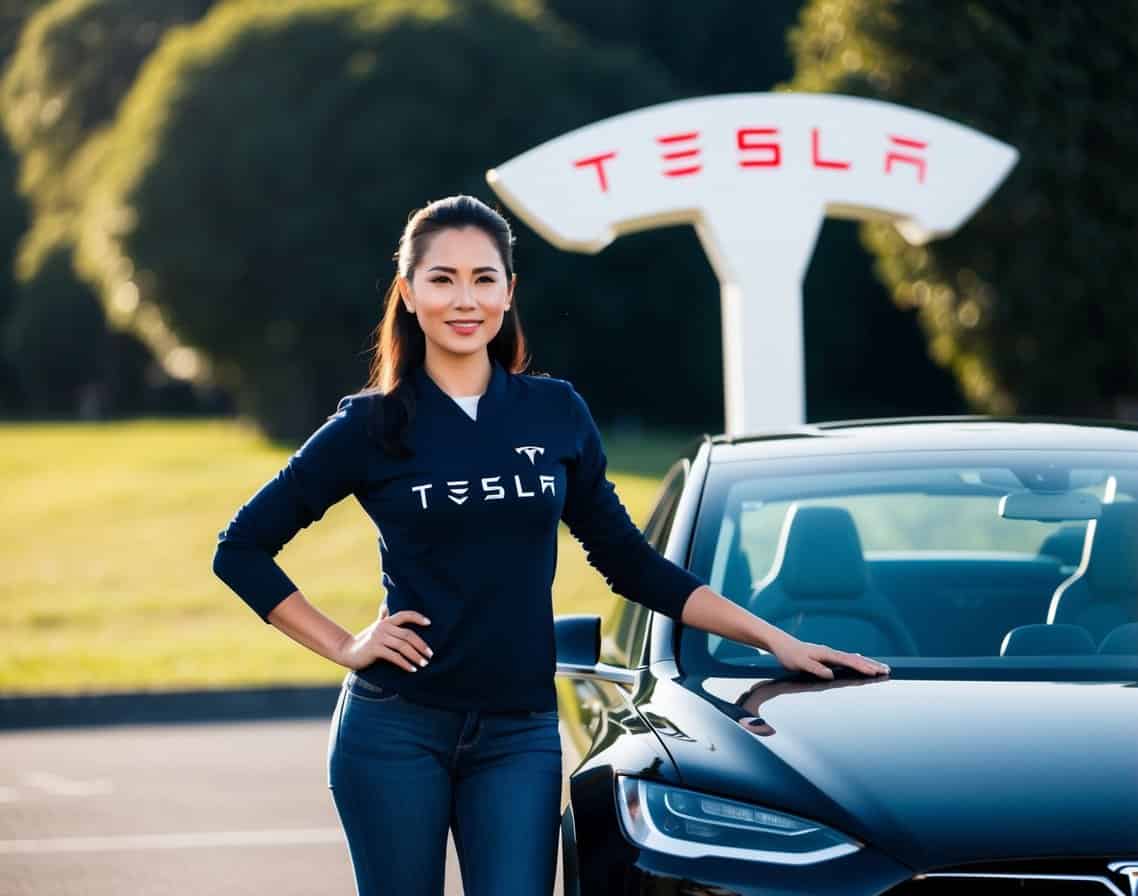
1) Tesla Model 3
The Tesla Model 3 is known for its fast charging capabilities. It can achieve a peak charge rate of up to 250 kW, making it one of the quickest charging electric vehicles available today. This feature allows drivers to get back on the road swiftly.
Charging times are a key highlight. The Model 3 can add about 15 miles of range per minute using Tesla’s Supercharger network. This performance ensures that long-distance travel is convenient and efficient.
Tesla’s engineers have worked hard to optimize the Model 3’s battery technology. This car is often recognized for its balance of range, performance, and charging speed, making it a popular choice among EV enthusiasts.

The design of the Model 3 also contributes to its efficiency. With a sleek and aerodynamic build, it minimizes energy loss and maximizes range. This design philosophy extends to the battery system, where rapid charging is supported by advanced thermal management.
Another significant aspect is the widespread availability of Tesla’s Supercharger stations. These chargers are strategically located, allowing Model 3 owners to plan long trips with confidence. The network’s coverage is continually expanding, further enhancing the car’s appeal.
In summary, the Tesla Model 3 stands out in the crowded electric vehicle market for its impressive charging speeds and reliable performance. Its advanced battery tech and extensive Supercharger network ensure that owners spend less time charging and more time driving.
For those seeking an efficient and fast-charging electric car, the Model 3 is a top contender.
Check out Why Are Electric Car Battery Dangers Often Overlooked?
2) Lucid Air
The Lucid Air stands out as one of the fastest charging electric cars available. It can charge from 5% to 80% in just 40 minutes. This makes it an excellent choice for those who want to save time during long trips.
The Lucid Air can achieve a peak charging power of 350 kW at compatible chargers. This high charging speed ensures that the car spends less time plugged in and more time on the road.
Its impressive charging capabilities are paired with a large 112.0-kWh battery pack. This large battery allows the car to travel long distances between charges, adding to its appeal.

The 2024 Lucid Air Sapphire is particularly notable for its performance. It is known as the quickest EV tested, achieving a 0-60 mph time of 2.1 seconds.
In terms of efficiency, the Lucid Air Dream Edition performed exceptionally well in various tests. It averaged 135 kW during a DC fast-charge test, showcasing its efficiency and reliability in real-world conditions.
For those interested in luxury, the Lucid Air ranks high among the best luxury electric cars. Its combination of fast charging, long range, and high performance makes it a standout choice in the EV market.
Check out Best Practices for Electric Vehicle Charging Infrastructure
3) Porsche Taycan
The Porsche Taycan stands out as one of the fastest charging electric cars available. It can charge from 5% to 80% State of Charge (SOC) in just 22.5 minutes. This fast charging capability is a significant advantage for those who need quick top-ups during long trips.
Equipped with a 93 kWh battery, the Taycan makes efficient use of its charging ports. Its maximum charging speed is up to 270 kW with the Performance Battery Plus. This allows the vehicle to gain a substantial amount of range in a short period, making it convenient for daily drives and long-distance travel.
In terms of range, the 2025 Taycan has shown improvements. The latest models offer estimates between 206 and 246 miles. This range is sufficient for most daily uses and even some long-distance journeys without frequent stops.

The Taycan also boasts an efficient average of 3.2 miles per kWh, translating to an ability to add 17 miles of range per minute at 320 kW. This efficiency makes it competitive with other top electric vehicles in the market.
For those interested in the technical aspects, the Taycan uses the CCS Combo Charging Plug. This plug is widely available across multiple charging providers, ensuring accessibility and convenience for users.
Read Why Are Electric Car Batteries So Heavy?
4) Ford Mustang Mach-E
The Ford Mustang Mach-E is an impressive electric vehicle known for its fast-charging capabilities. It offers two battery sizes: a 75.7-kWh standard-range pack and a larger extended-range option.
Drivers benefit from the BlueOval Charge Network, the largest public charging network in North America.
The standard-range battery supports up to 115-kW peak DC fast charging. This allows drivers to gain significant range in minutes, making it a practical choice for longer trips.
The extended-range battery can reach a peak charging power of 159 kW. However, the charging speed slows down after reaching the peak to protect the battery health.

One of the best features of the Mach-E is its ability to travel up to 311 miles on a single charge. This makes it competitive with other high-end electric vehicles in terms of range.
Charging the Mach-E from 10% to 80% takes approximately 43 minutes using a 150 kW DC fast charger. For home charging, it takes about 14 hours to reach full charge using a 7.4 kW charger.
The Mustang Mach-E combines stylish design with advanced technology, ensuring a smooth driving experience. With its strong performance and extensive charging network, it stands out as one of the fastest-charging electric cars on the market.
Read Why Do Electric Car Batteries Burn So Long?
5) Audi e-tron GT
The Audi e-tron GT is one of the fastest charging electric vehicles available in 2024. It uses advanced 800-volt architecture, enabling quick charging times. This architecture allows the e-tron GT to charge from 5% to 80% in approximately 22.5 minutes.
Its battery technology, shared with the Porsche Taycan, includes a silicon-graphite anode. This composition optimizes the battery for high-power charging and long-term durability. It avoids overheating and degrading, ensuring reliable performance.
The e-tron GT offers impressive performance, with up to 637 horsepower in its highest trim. This power makes it competitive among other electric sports cars. Pricing for the 2024 model starts at $107,995 and goes up to $148,595 depending on options and trim levels.
Besides its fast charging capability, the Audi e-tron GT boasts a sleek design and advanced technology. It combines luxury with sustainability, making it an appealing option for those looking for a high-end electric vehicle.
Understanding Fast Charging
Fast charging technology enables electric vehicles to recharge quickly, making long trips more convenient. Key points include how the technology works and its benefits to EV owners.
How Fast Charging Works
Fast charging involves delivering high power levels to an electric vehicle’s battery. This is typically done through DC fast chargers, which bypass the car’s onboard charging system. DC fast chargers can provide power levels ranging from 50 kW to 350 kW.
When connected, the charger communicates with the car to determine the maximum power level the battery can safely accept. This ensures efficient and safe charging. For example, the Genesis Electrified GV70 can charge to 80% in about 18 minutes using a high-power charger.
Fast charging is often split into different stages. The initial stage, up to 80% of battery capacity, is quicker. The last 20% slows down to prevent battery damage. Thus, many drivers opt to charge up to 80% to maximize efficiency.
Benefits of Fast Charging
Convenience: With fast charging, EV owners can significantly reduce the time spent at charging stations. For instance, the Porsche Taycan can gain a considerable range with just a short charging session.
Extended Range: Fast charging stations make longer trips feasible without lengthy stops. This broadens the use of electric vehicles beyond just city commuting.
Greater Access: Many public charging networks offer fast charging, increasing the availability of quick top-ups for EV users. This accessibility boosts the practicality of owning an electric vehicle.
Additionally, fast charging supports busy lifestyles, where waiting several hours for a full charge is impractical. It brings electric vehicles in line with the convenience that gasoline vehicles offer, aligning with modern needs.

Battery Technology Innovations
Electric vehicle (EV) battery technology has seen rapid advancements. These innovations have played a significant role in enhancing battery materials and improving charging speeds.
Advancements in Battery Materials
New materials are revolutionizing the EV battery industry. Companies are developing lithium-ion batteries with higher energy density.
For instance, using silicon as an anode material instead of traditional graphite can increase energy capacity. This change means EVs can travel longer distances on a single charge.
Solid-state batteries are another breakthrough. These batteries replace the liquid electrolyte with a solid, allowing for higher energy density and faster charging. Solid-state technology can reduce the size and weight of the battery while maintaining or even improving the range.
Additionally, researchers are exploring the use of alternative materials such as lithium-sulfur and lithium-air. These materials have the potential to store more energy compared to conventional lithium-ion batteries. If commercialized, these innovations could lead to lighter, more efficient batteries that charge more quickly.
Impact on Charging Speed
The improvements in battery materials directly impact charging speeds. With higher energy density and better materials, batteries can handle higher charging currents without overheating. For example, the 2024 Genesis Electrified GV70 can charge quickly due to advanced battery tech.
Solid-state batteries also offer faster charging. They support higher power inputs, reducing the time needed to achieve a full charge. This technology has the potential to cut charging times significantly, making EVs more convenient for everyday use.
Developments in thermal management systems are equally important. Efficient cooling systems help maintain optimal battery temperature during fast charging, preventing damage and ensuring safety. Advanced cooling technologies allow for prolonged fast charging without degrading battery health.
Overall, the combined advancements in battery materials and thermal management contribute to faster and more efficient charging, significantly enhancing the practicality and appeal of electric vehicles.
Conclusion
Electric vehicles are not only environmentally friendly, but they are also becoming faster to charge. This makes them more practical for everyday use.
The 2024 Genesis Electrified GV70 stands out with an impressive charging time of 18 minutes.
The Lucid Air boasts an incredible 350 kW charger, allowing it to charge 200 miles in just 12 minutes.
Tesla continues to be a strong contender with fast-charging capabilities, reducing wait times significantly.
Hyundai and Kia models also offer advanced charging technologies, making them reliable choices for those looking for fast charging options.
As technology advances, charging times will continue to decrease, making electric cars even more convenient and accessible to the public.
You may also like:
- Why Is My Electric Car Battery Draining So Fast?
- Are Electric Car Batteries Made of Lithium?
- Why Do Electric Car Batteries Explode?
Hi, I’m Marybeth, an electric car enthusiast living in New York in the USA. As the owner of electriccartalks.com, I love sharing my knowledge on EV tips, battery maintenance, and charging solutions. As a proud Tesla owner, I blend my personal experiences with professional insights to offer valuable information to fellow EV enthusiasts. Through my articles, I aim to empower others to make informed decisions about their electric vehicles. Read more