
Becoming an electric car mechanic in Australia is a promising career path as the demand for skilled professionals is rising.
To start, aspiring mechanics need to obtain a solid educational foundation, including completing a Certificate III in Automotive Electric Vehicle Technology. This qualification provides the essential skills for servicing and maintaining electric vehicles.
Additionally, there are specialized apprenticeship programs now available in Australia, which offer hands-on training and experience in the field.
These programs are designed to create a new generation of technicians adept at diagnosing and repairing electric vehicles according to Australian Standards.
Various institutions provide advanced courses and certifications for those looking to further their skills.
Obtaining these credentials and gaining practical experience through apprenticeships can significantly enhance one’s career prospects in the growing electric vehicle industry.
Understanding Electric Vehicles
Electric vehicles (EVs) are powered by electric motors and rely on a set of complex systems to function efficiently. Key components include electric engines, energy storage systems, and digital controllers that manage motor speed and battery charging.
Fundamentals of Electric Vehicles
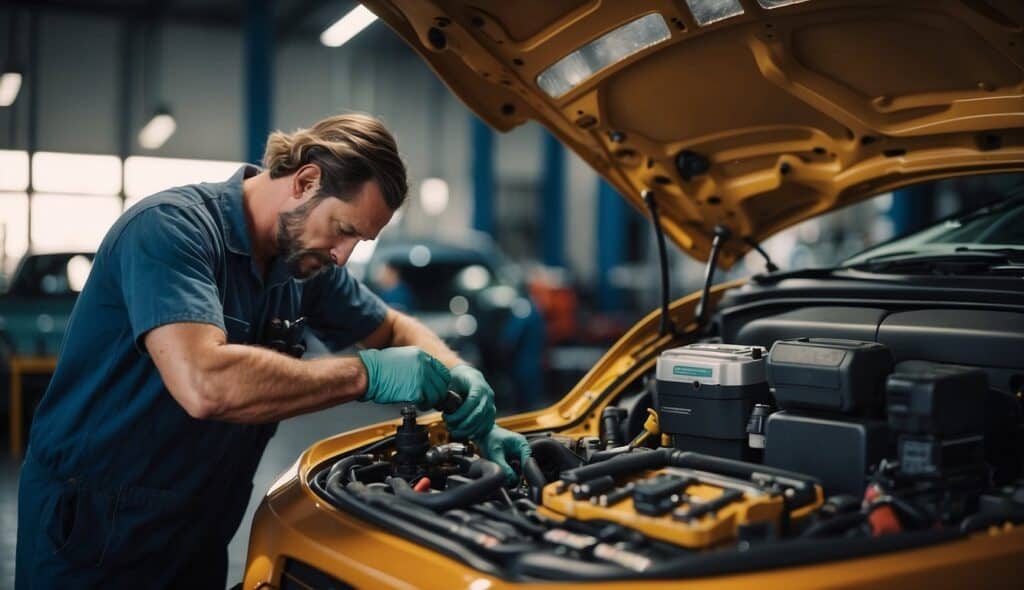
Electric vehicles use an electric motor instead of a traditional internal combustion engine. They are often referred to as battery electric vehicles (BEVs).
These cars have a high voltage battery, which stores the energy needed to power the electric motor.
The motor converts electrical energy into mechanical energy, propelling the vehicle.
Key features include basic electrical circuits and digital motor controllers. These controllers manage the amount of power sent to the motor, ensuring efficient operation.
One important aspect is the rechargeable energy storage system, which includes the battery and its management system.
Maintaining the battery involves regular servicing and monitoring its charge cycles. Proper maintenance ensures the system’s longevity and performance.
Key Electric Vehicle Systems
Electric vehicles contain several key systems that work together seamlessly.
First, the high voltage system is crucial as it powers the main components like the motor.
Another essential system is the DC to DC converter, which changes high voltage from the main battery to a lower voltage for auxiliary systems.
The traction motor speed control systems control the vehicle’s speed through precise adjustments.
Electric vehicle operations depend heavily on these systems functioning correctly, and regular maintenance is required.
Cooling systems are also vital, keeping the battery and motor at optimal temperatures.
Proper cooling ensures that vehicles function efficiently and safely.
Additionally, basic electrical circuits help distribute power to various components, ensuring everything runs smoothly.
Check out How Much Does an Electric Car Mechanic Make?
Training and Skills Development
To become an electric car mechanic in Australia, you must follow a structured training pathway and develop critical technical skills. This involves gaining formal education, acquiring hands-on experience, and meeting specific certification requirements.
Educational Pathways
Aspiring electric car mechanics need to begin with formal education.
A popular option is the Certificate III in Automotive Electric Vehicle Technology.
This course covers essential areas such as electric engine servicing, transmission systems, and suspension repairs.
Another option is to enroll in specialized electric vehicle courses offered by institutions like MTA Training.
These programs focus on battery technology, electric motors, and other essential systems.
Completing these educational programs ensures that students understand the technology and are prepared for industry demands.
Skills Required for Electric Vehicle Mechanics
Electric car mechanics must develop specific skills to excel in their field.
Core competencies include diagnostic skills to identify and fix issues using electrical test equipment.
Mechanics must also have a deep knowledge of high voltage systems and the ability to work safely with high voltage electrical test equipment.
Learning to use and maintain electrical test equipment in an automotive workplace is crucial.
Mechanics must be proficient in interpreting diagnostic data to maintain and repair electric vehicles efficiently.
Good communication skills are also essential, as mechanics must explain technical problems and repair processes to clients.
Apprenticeships and Traineeships
Hands-on experience through apprenticeships and traineeships is vital for practical skills development.
These programs, such as the AUR32721 Certificate III in Automotive Electric Vehicle Technology, combine classroom education with on-the-job training.
During an apprenticeship, learners work under the supervision of experienced professionals. This allows them to apply theoretical knowledge to real-world scenarios.
Apprenticeships typically cover core units and specialized areas, enhancing both technical skills and practical experience.
Check out How to Become an Electric Car Mechanic in UK
Certifications and Qualifications
Becoming an electric car mechanic in Australia requires specific certifications and training. These programs ensure that individuals possess the necessary skills to diagnose and repair electric vehicles.

Certificate III in Automotive Electric Vehicle Technology
The Certificate III in Automotive Electric Vehicle Technology is essential for aspiring electric car mechanics.
This qualification covers the maintenance and repair of battery electric vehicles. It is designed to meet the Australian Standards (AS) 5732 for electric vehicle operations.
The curriculum includes modules on safety, electrical systems, and diagnostics.
Completing this certification provides a comprehensive understanding of electric vehicle technology. Students also learn to safely handle high-voltage systems, a key industry requirement.
This qualification is recognized nationally, making it a valuable asset for employment opportunities.
Specialized Skill Sets
Electric car mechanics need specific skills beyond general automotive knowledge.
Key skills include:
- Electrical Systems Analysis: Understanding and diagnosing electrical circuits and components.
- Battery Maintenance and Repair: Knowledge of lithium-ion battery packs, their upkeep, and repair techniques.
- High-Voltage Safety: Training in safe handling and procedures for high-voltage systems.
These skills are crucial for ensuring the safety and reliability of electric vehicles.
Mechanics must stay updated with the latest advancements in electric vehicle technology. Practical experience through apprenticeships or internships is highly beneficial.
Recognized Training Providers
Several institutions offer Certificate III in Automotive Electric Vehicle Technology, including TAFE Queensland and other accredited providers.
These programs are designed to meet industry standards and ensure graduates are job-ready.
Training providers often partner with automotive companies, providing students with real-world experience. They also offer state-of-the-art facilities and experienced instructors, ensuring high-quality education.
Enrollment requirements vary but typically include basic math and English proficiency.
Prospective students should verify that relevant regulatory bodies in Australia recognize the institution. This ensures the qualification’s credibility and acceptance in the job market.
Check out Do Electric Car Tires Wear Out Faster?
Safe Working Practices
When working as an electric car mechanic in Australia, it is crucial to always prioritize safety. This involves adhering to regulations, handling high voltage systems properly, and considering environmental impacts.
Regulatory Compliance and Safety Standards
Safety in the automotive industry involves adhering to Australian Standards such as AS 5732.
This standard specifies the requirements for the maintenance and repair of electric vehicles.
Mechanics must also be familiar with the regulations set by the Australian Government to ensure each job aligns with national safety and environmental guidelines.
Proper training in Certificate III in Automotive Electric Vehicle Technology is essential.
These programs cover the safety standards and regulatory needs of the profession.
Handling High Voltage Systems
High voltage systems are common in electric vehicles and require meticulous care.
Mechanics must wear insulated gloves and use tools specifically designed for high-voltage work.
Safety interlocks, which ensure the electrical system is deactivated during maintenance, are another critical safety feature.
Before working on an electric vehicle, it is essential to verify that the high-voltage system is isolated.
This involves checking for proper disconnection and ensuring no residual energy remains in the components.
Environmental Considerations
Environmental sustainability is a key aspect of working with electric vehicles.
Mechanics should follow best practices for handling and disposing of batteries and other electrical components, minimizing environmental hazards.
Recycling programs for batteries and electronic parts are essential to reduce waste and environmental impact.
Mechanics are encouraged to stay informed about environmentally friendly techniques and practices.
Courses often include modules on environmental care and the proper disposal of hazardous materials.
Ensuring compliance with these practices protects the environment and aligns with regulatory requirements for automotive professionals.
Check out Does an Electric Car Have a Transmission?
Tools and Equipment
The right tools and equipment are crucial for efficient servicing and repairs in the field of electric car mechanics.
Mechanics need essential and advanced diagnostic tools to successfully navigate the complexities of electric vehicle (EV) technology.
Essential Tools for Electric Car Mechanics
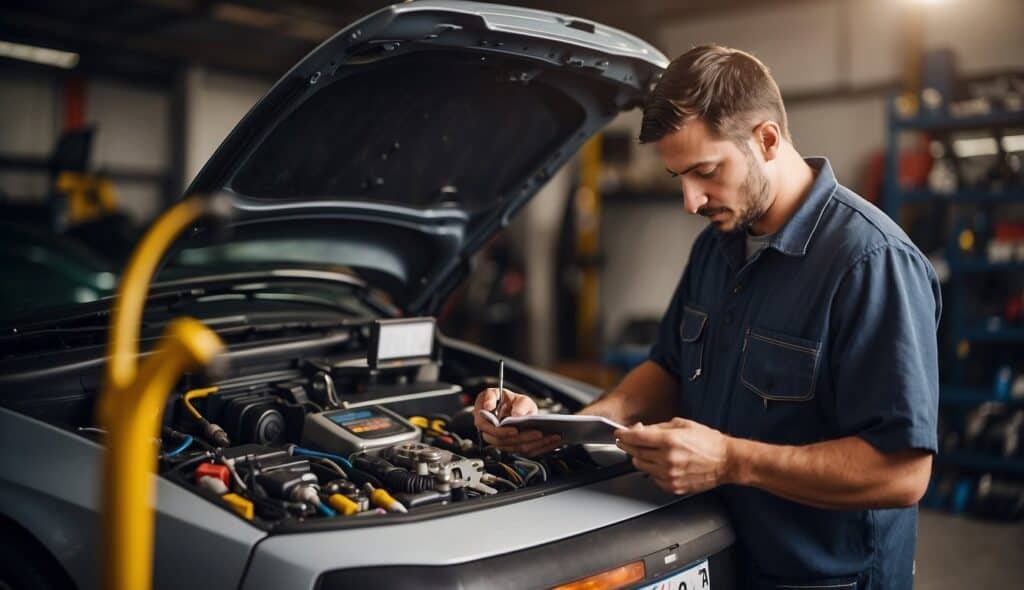
Electric car mechanics must have a core set of tools to handle basic servicing operations and repairs.
These tools typically include insulated hand tools such as screwdrivers, pliers, and sockets to ensure safety around high-voltage components.
Standard wrenches and ratchets are also necessary for mechanical tasks.
Electrical test equipment like multimeters and voltmeters is essential for diagnosing electrical issues.
These tools help measure voltage, current, and resistance in EV systems.
Additionally, measuring equipment such as calipers and micrometers is used for precise measurements of components.
A diagnostic scan tool is critical for accessing the car’s onboard diagnostics.
This device uses the vehicle’s computer systems to read fault codes and condition data.
Personal protective equipment (PPE), including high-voltage gloves and safety glasses, is mandatory to ensure the mechanic’s safety.
Advanced Diagnostic Tools
For more intricate tasks, electric car mechanics need cutting-edge diagnostic tools.
Oscilloscopes analyze the complex waveforms and signals in EVs, providing insight into electrical systems’ performance.
Thermal imaging cameras help detect overheating components, identifying potential issues early.
Battery management system (BMS) testers are specialized tools that evaluate the health and efficiency of EV batteries. These testers can diagnose issues down to individual cells, helping prevent battery failures.
Another critical tool is the CAN bus analyzer, which monitors the communication between different electronic components in the vehicle.
This tool is essential for troubleshooting network-related problems.
Insulation testers ensure that high-voltage systems do not leak, adding an extra layer of safety and reliability to the servicing process.
Mechanics well-versed in these tools can efficiently diagnose and repair electric vehicles, adhering to the highest industry standards.
Check out How Much Can You Make Driving a Tesla with Uber?
Career Advancement
After becoming an electric vehicle technician, there are several ways to advance your career.
1. Gaining Experience:
Working in various roles within the automotive industry helps build a solid foundation.
Many qualified mechanics start with entry-level positions and gain hands-on experience over time.
2. Continuous Education:
Pursuing further education through registered training organizations (RTOs) can be beneficial.
Courses like the Certificate III in Automotive Electric Vehicle Technology enhance your skills and knowledge.
3. Specializations:
Focusing on specific areas, such as battery technology or diagnostic skills, can differentiate you from others.
Specializations often lead to higher-paying positions and more responsibilities.
4. Recognition of Prior Learning (RPL):
If you have prior experience or informal learning, applying for Recognition of Prior Learning can help you obtain qualifications without repeating training.
5. Management Roles:
Experienced technicians can move into supervisory or management positions.
This path involves overseeing other mechanics, managing shop operations, and dealing with clients.
6. Entrepreneurship:
Many skilled mechanics open their own repair shops.
This step requires business acumen and a comprehensive understanding of the automotive service and repair industry.
7. Networking:
Connecting with other professionals and staying updated with industry trends is crucial.
Networking events and industry conferences provide valuable opportunities for career growth.
8. Staying Updated:
The automotive industry, especially the electric vehicle sector, is evolving rapidly.
Keeping up with the latest technologies and practices ensures long-term success.
Licensing and Regulations
Becoming an electric car mechanic in Australia requires specific certifications, adherence to various regulations, and an understanding of national standards. The following details provide a clear insight into the licensing and regulatory landscape.
National Certification and Licenses
To work as an electric car mechanic, one must obtain Certificate III in Automotive Electric Vehicle Technology.
This certification, AUR32721, covers electric vehicle service, diagnosis, and repair.
Meeting the Australian Standards (AS) 5732 is crucial, as these standards regulate electric vehicle operation, maintenance, and repair.
Several vocational institutions in Queensland and other states offer this certification, and completing it is mandatory to work on electric vehicles legally.
Industry Licensing Bodies
Industry licensing is pivotal in ensuring that electric car mechanics are qualified and adhere to set standards.
The Australian Refrigeration Council (ARC) is one of the key licensing bodies. While ARC mainly focuses on refrigeration, they also oversee certifications related to vehicle air conditioning, which might be part of the electric vehicle service tasks.
Mechanics must register with these bodies to work legally. Additionally, the Motor Trades Association of Australia (MTAA) offers support and further credentialing to elevate the professionalism of mechanics in the automotive industry.
Legislative Requirements in Australia
To remain compliant, mechanics must adhere to specific legislative requirements the Australian Government sets.
Regulations encompass safety standards, environmental considerations, and proper handling of hazardous materials like lithium batteries.
Mechanics must stay updated with the latest legislative changes and ensure their operations comply with all mandated laws.
Key areas include proper part disposal, adherence to workplace safety protocols, and keeping records in accordance with government regulations.
This regulatory framework ensures public safety and environmental protection, which are critical in the rapidly evolving field of electric vehicle maintenance.
Conclusion
Becoming an electric car mechanic in Australia is a promising career path.
Educational Foundation: Start with a strong educational base.
Obtaining a Certificate III in Automotive Electric Vehicle Technology is essential.
This qualification equips individuals with the skills needed to service and maintain electric vehicles.
Apprenticeship: Consider enrolling in an Electric Vehicle Apprenticeship program.
These apprenticeships provide hands-on experience alongside classroom learning, making them valuable for practical skills development.
Job Demand: The demand for electric car mechanics is rising.
According to a report, Australia will need an additional 6000 EV mechanics by 2030.
This trend indicates a stable job market for future professionals in this field.
Continuous Learning: Stay updated with the latest technology and industry standards.
The automotive industry evolves quickly, and continuous education is vital.
Look for courses, certifications, and workshops focusing on the latest electric vehicle technology advancements.
Regulations and Standards: Familiarize yourself with relevant regulations.
Electric vehicle mechanics must adhere to specific Australian Standards, ensuring safety and reliability.

Hi, I’m Marybeth, an electric car enthusiast living in New York in the USA. As the owner of electriccartalks.com, I love sharing my knowledge on EV tips, battery maintenance, and charging solutions. As a proud Tesla owner, I blend my personal experiences with professional insights to offer valuable information to fellow EV enthusiasts. Through my articles, I aim to empower others to make informed decisions about their electric vehicles. Read more