
Electric vehicles are changing how we travel, but their batteries need specific raw materials, including lithium, cobalt, and nickel. As more people buy electric cars, the demand for these materials is growing fast.
The global demand for electric vehicle batteries reached over 750 GWh in 2023, a 40% increase from 2022. This surge is pushing battery makers to find more raw materials. They need to ensure enough supply to meet the rising demand for electric cars.
Getting these raw materials can be tricky. Some are hard to find or come from places with political issues, making it hard for car companies to get what they need. This also affects how much batteries cost and how many electric cars can be made. As the electric car market grows, finding ways to get these materials safely and affordably is a big challenge.
The Role of Raw Materials in Electric Vehicle Batteries
Raw materials are key to electric vehicle (EV) battery performance and production. They impact energy density, cost, and supply chain sustainability.

Essential Components and Their Functions
Lithium is crucial for its lightweight properties and high energy density. It helps batteries store more power in a smaller space. Cobalt boosts battery stability and lifespan. Nickel increases energy storage capacity.
Graphite forms the anode, where electrons collect during charging. Manganese helps make cathodes more stable and safer. These materials combine to create different battery chemistries.
The most common types are lithium-nickel-manganese-cobalt oxide (NMC) and lithium iron phosphate (LFP). NMC offers higher energy density, while LFP provides better stability and lower costs.
Material Demand for Battery Production
EV growth is driving up demand for battery materials. By 2030, the industry may need up to:
- 450,000 tons of lithium
- 420,000 tons of cobalt
- 2.4 million tons of nickel
Cobalt use could drop from 200g to 60g per kg of battery. This change aims to reduce reliance on limited cobalt supplies.
China leads global battery production. European and American markets favor NMC batteries. Chinese makers use more LFP chemistry.
The rising material needs pose challenges. Mining and refining must expand to meet demand. This growth raises environmental and ethical concerns in the supply chain.
Check out Why Are Electric Car Batteries So Heavy?
Key Raw Materials and Their Sourcing
Electric vehicle batteries need specific raw materials, which come from different places around the world. The main ones are lithium, cobalt, and nickel.
Lithium: Reserves and Mining
Lithium is a key part of EV batteries. The biggest lithium reserves are in Chile, Australia, and Argentina. Miners get lithium from salt flats and hard rock.
Salt flat mining uses less water than hard rock mining. But it takes longer to get the lithium. Hard rock mining is faster but costs more.
China processes most of the world’s lithium, creating a bottleneck in the supply chain. To meet growing demand, more lithium mining and processing are starting in other countries.
Cobalt: Supply and Ethical Considerations
The Democratic Republic of Congo (DRC) has most of the world’s cobalt, which creates risks in supply chains.
There are worries about working conditions in DRC cobalt mines. Some miners work in dangerous places. Others are very young.
Battery makers are trying to use less cobalt to avoid these problems. Some are looking for cobalt in other countries.
Recycling old batteries could provide more cobalt in the future, which could help reduce the need for new mining.
Nickel: Importance and Supply Chain
Nickel helps EV batteries store more energy. Indonesia, the Philippines, and Russia have large nickel reserves.
Not all nickel works for batteries. Battery makers need a special kind called Class 1 nickel. This type is harder to find.
Indonesia is increasing its nickel production. However, some worry about the environmental impact of new mines.
Carmakers are making deals with nickel miners. They want to secure enough supply for future battery production.
Other Critical Minerals
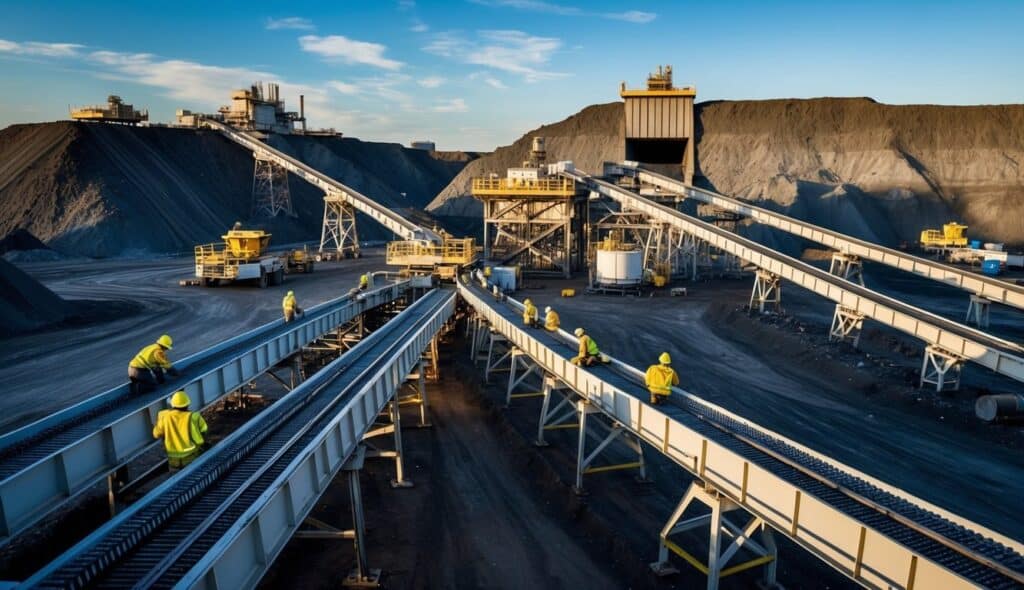
Graphite is used in battery anodes. China produces most of the world’s graphite, but other countries are starting to mine it.
Manganese helps make batteries safer. It’s found in many places around the world.
Rare earth elements are needed for EV motors. China controls most of the rare earth supply. Other countries are trying to develop their own sources.
Copper is important for EV wiring. It’s mined in Chile, Peru, and other countries. As more EVs are made, demand for copper is growing.
Check out Why Do Electric Car Batteries Burn So Long?
Global Production and Market Dynamics
Electric vehicle battery production is expanding rapidly worldwide. This growth is driven by rising EV sales and new manufacturing centers, but faces supply chain challenges.
Electric Car Sales and Market Growth
Electric car sales are booming globally. In 2023, EV battery demand reached over 750 GWh, up 40% from 2022. The United States and Europe saw the fastest growth.
This surge is pushing automakers to secure more batteries. By 2022, EVs used about 60% of global lithium production. They also consumed 30% of cobalt and 10% of nickel output.
Projections for battery market growth have often been too low. From 2017 to 2022, EV battery demand increased nearly 14 times.
Battery Manufacturing Centers
Asia leads in battery production, but other regions are catching up. China, Japan, and South Korea have major manufacturing hubs.
The U.S. and Europe are building new battery plants. These aim to reduce reliance on Asian imports.
Some carmakers are partnering with battery firms. Others are developing in-house production. This shift is changing global supply chains.
Global Production Challenges
Raw material supplies are a key concern. Lithium demand has outpaced supply since 2021. Mining and processing capacity need to grow fast.
Geopolitical issues affect the supply chain. Trade tensions and resource nationalism create risks.
Battery makers face pressure to source materials responsibly. This includes avoiding conflict minerals and reducing environmental impacts.
Scaling up production quickly is hard. It requires large investments and skilled workers. Quality control is crucial as output increases.
Battery Chemistries and Design
Electric vehicle batteries use different chemistries and designs to store energy. The choice of materials affects battery performance, cost, and environmental impact.
Lithium-Ion Batteries and Alternatives
Lithium-ion batteries are the most common type used in electric vehicles. They offer high energy density and long lifespans. Some key lithium-ion chemistries include:
- Nickel Manganese Cobalt (NMC)
- Nickel Cobalt Aluminum (NCA)
- Lithium Iron Phosphate (LFP)
Each has pros and cons in terms of cost, range, and safety. LFP batteries are cheaper and safer but have lower energy density. NMC and NCA provide more range but cost more.
Solid-state batteries are a promising future tech. They use solid electrolytes instead of liquid ones. This could make them safer and more energy-dense than current lithium-ion batteries.
Cathode and Anode Material Choices
Cathode materials greatly impact battery performance. Common cathode materials include:
- Lithium Nickel Cobalt Aluminum Oxide (NCA)
- Lithium Iron Phosphate (LFP)
- Lithium Nickel Manganese Cobalt Oxide (NMC)
NCA offers high energy density but uses costly cobalt. LFP is cheaper and safer but stores less energy. NMC balances energy density and cost.
For anodes, most batteries use graphite. Silicon anodes are being developed to increase energy density. Some companies are working on lithium metal anodes for even higher capacity.
The choice of materials affects the whole battery supply chain. When selecting battery chemistries, makers must consider raw material costs, availability, and environmental impacts.

Environmental and Socioeconomic Impacts
Electric vehicle battery production has wide-ranging effects on the environment and society. These impacts span greenhouse gas emissions, ethical concerns, and economic factors.
Greenhouse Gas Emissions Throughout the Lifecycle
Electric vehicle batteries create emissions during manufacturing and raw material extraction. Battery production uses energy-intensive processes that generate greenhouse gases. Mining lithium, cobalt, and nickel also releases emissions.
But electric vehicles produce fewer lifetime emissions than gas cars. As power grids use more renewable energy, battery-related emissions will drop further. Improved recycling can also cut emissions by reducing the need for new raw materials.
Battery makers are working to lower production emissions. They’re using cleaner energy and more eco-friendly materials, aiming to shrink the carbon footprint of electric vehicle batteries.
Ethical Sourcing and Human Rights
Some battery materials come from places with poor labor practices. Cobalt mining in the Democratic Republic of Congo often uses child labor. This raises human rights concerns in the supply chain.
Companies are trying to improve their sourcing. Many now trace materials back to the mine. They’re working with suppliers to ensure fair labor practices. Some are looking for cobalt-free battery designs.
Buyers and regulators are increasingly concerned about ethical sourcing, and battery makers must demonstrate that they’re addressing these issues. This push for responsible sourcing is changing how the industry operates.
Economic Factors and Material Accessibility
The growing demand for battery materials is affecting prices and supply. Lithium, cobalt, and nickel costs have risen sharply, impacting electric vehicle prices and adoption rates.
Countries with large reserves of these materials gain economic power. Nations like Chile, Australia, and China play key roles in the battery supply chain. This can create geopolitical tensions over access to resources.
Governments are offering incentives to boost domestic battery production. The U.S. Inflation Reduction Act provides tax credits for locally-made batteries. This aims to reduce reliance on foreign suppliers and create jobs.
Recycling and the Circular Economy
Recycling electric vehicle batteries helps recover valuable materials and reduce waste. A circular economy approach aims to keep resources in use for as long as possible.
Battery Recycling Processes
Battery recycling starts with discharging and disassembling used EV batteries. The cells are then shredded and separated into different materials. Common processes include:
• Pyrometallurgy: Heating materials to very high temperatures • Hydrometallurgy: Using chemical solutions to extract metals
These methods can recover metals like cobalt, nickel, and lithium. New recycling tech is making the process more efficient.
Recovered materials can be used to make new batteries or other products. This cuts down on the need for newly mined resources.
Advancements in Circular Supply Chains
Battery makers are working to design batteries that are easier to recycle. This includes using fewer hard-to-separate parts and materials.
Some companies are setting up take-back programs for used EV batteries. These programs help ensure batteries are properly recycled.
New business models are emerging around battery reuse. Old EV batteries can be repurposed for energy storage in homes or businesses.
Tracking battery materials through the supply chain is getting easier. This helps companies know where their materials come from and where they end up.
Technological Advances and Future Outlook
Battery technology is evolving rapidly. New innovations aim to increase energy density, lower costs, and improve charging speeds. These advancements will shape the future of electric vehicles and energy storage.
Innovation in Battery Technologies
Solid-state batteries are a promising new technology. They use solid electrolytes instead of liquid ones, making them safer and more energy-dense. Many car companies are working to develop these batteries.
Lithium-sulfur batteries offer another leap forward. They can store more energy than current lithium-ion batteries. Scientists are also exploring sodium-ion batteries as a cheaper alternative.
Researchers are finding ways to use less cobalt in batteries. This will help lower costs and reduce reliance on conflict minerals. New cathode materials like lithium iron phosphate are becoming more common.
Projections of Electric Mobility and Energy Storage
Electric vehicle sales are growing fast. Experts predict EVs could make up over 50% of new car sales by 2030 in some markets. This growth is driving huge demand for batteries.
Energy storage is also booming. More homes and businesses are installing battery systems. These help store energy from solar panels and wind turbines.
Charging infrastructure is expanding quickly. Fast-charging stations are becoming more common along highways. This will help reduce range anxiety for EV drivers.
Potential Disruptors to Current Trends
Hydrogen fuel cells could challenge battery electric vehicles in some areas. They offer longer range and faster refueling. But they face challenges in infrastructure and cost.
Wireless charging technology is improving. It could allow EVs to charge while driving on special roads, reducing the need for large batteries.
New recycling methods may change how we source battery materials. Better recycling could reduce the need for mining raw materials, lowering costs and environmental impact.
Legal and Regulatory Framework
The legal landscape for electric vehicle battery materials is evolving rapidly. New laws aim to secure raw material supplies and boost sustainability across battery value chains.
International Regulations on Battery Materials
The European Union has taken a leading role in regulating battery materials. The EU Critical Raw Materials Act came into effect recently. It aims to secure supplies of key materials for electric car batteries.
The EU is also updating its battery regulations. New rules will cover the full battery lifecycle. They will require minimum levels of recycled content in new batteries. Electric vehicle batteries will need to meet strict sustainability standards.
These changes affect the whole battery supply chain. Companies must now follow new rules on safety, ethics, and environmental impact.
Government Initiatives and Grants
Many countries offer support for battery material production and recycling. Grants help companies set up new facilities. Tax breaks encourage investment in sustainable technologies.
The EU has created a Critical Raw Materials Board. This group will coordinate efforts to secure battery materials and support research into new sources and recycling methods.
Some governments are forming partnerships with battery makers. These deals aim to build local supply chains. They often include funding for training and infrastructure.
Data sharing is becoming more common. Open access to research helps speed up innovation. This can lead to better use of raw materials.
Frequently Asked Questions
Electric vehicle battery production relies on several key raw materials and faces some important challenges. The following questions address common concerns about the EV battery supply chain.
What are the primary raw materials used in the production of EV batteries?
The main raw materials for EV batteries are lithium, cobalt, nickel, manganese, and graphite. These elements are crucial for making lithium-ion batteries, which power most electric vehicles today.
Lithium is used in the battery cathode and electrolyte. Cobalt, nickel, and manganese are used in different combinations for the cathode. Graphite is used in the anode.
How does the EV battery supply chain impact the environment?
Mining and processing raw materials for EV batteries can harm local ecosystems. It often requires large amounts of water and energy.
The extraction process can lead to soil erosion and water pollution. Some mining operations also produce greenhouse gas emissions.
Are there sufficient global reserves of lithium to meet the demand for EV battery production?
Current global lithium reserves are thought to be enough to meet near-term EV battery demand. New lithium deposits are being discovered, and extraction methods are improving.
Recycling old EV batteries may also help extend lithium supplies. However, rapid EV adoption could strain resources in the future.
What challenges are associated with sourcing raw materials for electric vehicle batteries?
Sourcing EV battery materials faces several hurdles. Many key minerals are concentrated in a few countries, which can lead to supply chain risks.
Mining operations sometimes face local opposition due to environmental concerns. Ethical issues like child labor in cobalt mining have also raised alarms.
What is the environmental cost of extracting raw materials for EV batteries?
Raw material extraction for EV batteries can have significant environmental impacts. Open-pit mining often damages landscapes and habitats.
The process uses lots of water and can pollute nearby water sources. Some mining operations rely on fossil fuels, contributing to carbon emissions.
How much of each raw material is typically required to manufacture a single electric vehicle battery?
The amounts of raw materials needed vary based on battery size and chemistry. A typical EV battery might use:
8-10 kg of lithium
10-14 kg of cobalt
30-40 kg of nickel
40-50 kg of graphite
These figures can change as battery technology advances.
Conclusion
Raw materials play a crucial role in electric vehicle (EV) battery production. The growing demand for EVs has increased the need for these materials. This creates challenges for the supply chain.
Key battery materials include lithium, cobalt, nickel, and graphite. Their availability and cost impact EV production and adoption. Securing a stable supply of these materials is vital for the EV industry.
Environmental and social concerns surround the extraction of some battery materials. This has led to efforts to develop more sustainable sourcing practices. Recycling of EV batteries is also becoming important.
New battery technologies may reduce dependence on certain raw materials. Research into alternative materials continues. This could help address supply chain vulnerabilities.
The EV battery raw material landscape is dynamic. It will likely evolve as technology advances and demand patterns shift. Ongoing innovation and responsible sourcing will be key to supporting the growth of electric mobility.
You may also like:
Hi, I’m Marybeth, an electric car enthusiast living in New York in the USA. As the owner of electriccartalks.com, I love sharing my knowledge on EV tips, battery maintenance, and charging solutions. As a proud Tesla owner, I blend my personal experiences with professional insights to offer valuable information to fellow EV enthusiasts. Through my articles, I aim to empower others to make informed decisions about their electric vehicles. Read more