
Electric vehicle (EV) charging infrastructure is a key part of the shift to clean transportation. As more people buy EVs, cities, and businesses need to plan for charging stations. Good charging infrastructure helps EV owners feel at ease about driving long distances.
The best practices for EV charging infrastructure include putting stations in easy-to-find spots, making sure there are enough chargers, and using a mix of slower Level 2 chargers and faster DC fast chargers. Level 2 chargers work well for longer stops, while DC fast chargers are great for quick top-ups on road trips. It’s also smart to work with local power companies when setting up charging stations.
Costs for chargers can vary a lot. A Level 2 charger might cost $3,000 to $7,500 to buy and install. A DC fast charger can cost $55,000 to $200,000. These prices include both the charger itself and putting it in place. The exact cost depends on where the charger is going and how much work is needed to set it up.
Fundamentals of EV Charging Infrastructure
Electric vehicle (EV) uptake and charging infrastructure are key to a clean transportation future. They work together to enable widespread EV adoption and reduce emissions.
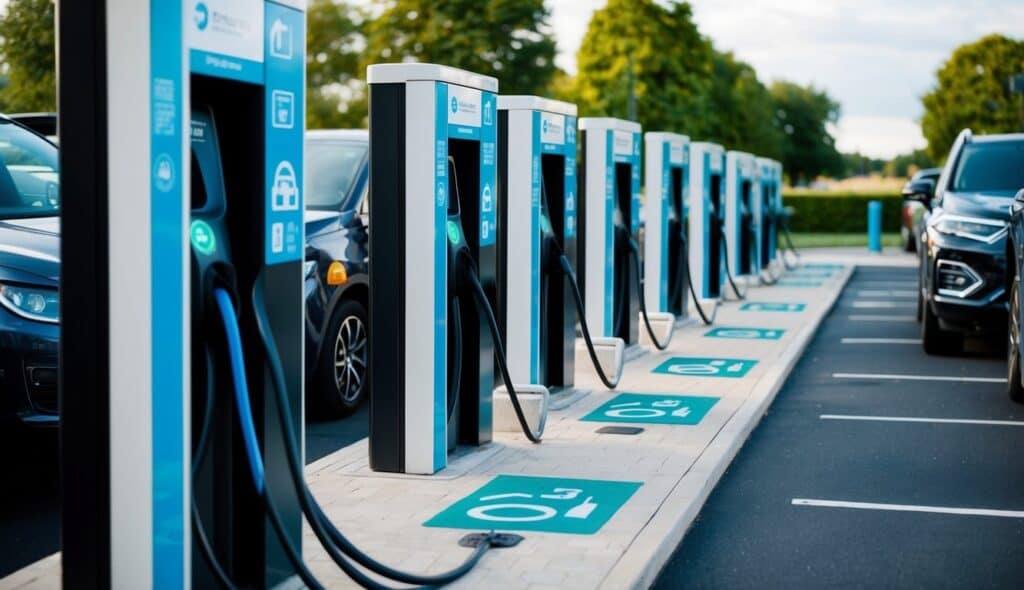
Overview of Electric Vehicle Uptake
EV markets are growing fast. More car makers now offer electric models. Prices are dropping as battery costs fall. Many countries give tax breaks for EVs. This helps more people buy them.
EVs cut air pollution in cities. They make no exhaust fumes when driving. This improves air quality and public health. EVs also lower greenhouse gas emissions, especially when charged with clean power.
Ranges are getting better too. New EVs can go 200-300 miles on a charge. This eases “range anxiety” for buyers.
Significance of Charging Infrastructure Deployment
Good charging networks are vital for EVs to succeed. Drivers need spots to charge at home, work, and on trips.
Public chargers give EV owners more freedom. Fast chargers let people take long trips. Slow chargers work for parking lots and street spots.
Smart charging can help the power grid. It shifts demand to off-peak times. This saves money and helps add more renewable energy.
Cities and states play a big role in charging plans. They set rules for charger types and spots. Public-private teamwork often works best to build networks.
Public Charging Infrastructure
Public charging is key for widespread electric vehicle adoption. It gives drivers more options and reduces range anxiety. Partnerships and accessibility are crucial for success.
Role of Public Charging Facilities
Public charging stations fill gaps in the EV charging network. They help drivers who can’t charge at home or work. These stations are often found in parking lots, shopping centers, and along highways.
Public chargers come in different speeds. Level 2 chargers work well for longer stops. DC fast chargers are best for quick top-ups during trips.
Cities and towns play a big part in planning public charging. They pick spots that serve the most people. Good locations include:
- Downtown areas
- Parks and recreation spots
- Government buildings
- Tourist attractions
Strategies for Public-Private Partnerships
Teamwork between governments and businesses is vital for building public charging networks. These partnerships share costs and risks.
Governments can offer incentives like:
- Tax breaks
- Grants
- Streamlined permits
Companies bring funding and expertise. They often handle:
- Installing chargers
- Maintaining equipment
- Setting prices
- Collecting payments
Some successful models include:
- Build-operate-transfer agreements
- Concession contracts
- Joint ventures
Clear goals and roles help these partnerships work well. Regular check-ins ensure both sides meet their promises.
Expanding Accessibility to Public Charge Points
Making charging easy for everyone is a top priority. This means thinking about different needs and habits.
Key steps to improve access:
- Put chargers in busy areas
- Make sure spaces work for all vehicle types
- Add clear signs to help drivers find chargers
- Design user-friendly payment systems
Fairness is important too. Planners should put chargers in:
- Rural areas
- Low-income neighborhoods
- Apartment complexes
Apps and maps help drivers find nearby chargers. Real-time info on charger status saves time and frustration.
Universal design principles make chargers easy for everyone to use. This includes people with disabilities.
Check out Workplace Electric Vehicle Charging Policy USA
Home and Workplace Charging Solutions
Electric vehicle owners need convenient charging options at home and work. These locations offer ideal opportunities to keep EVs powered up for daily use. Home charging systems provide overnight refueling, while workplace stations enable daytime charging.
Installation of Home Charging Systems
Home charging systems give EV owners a reliable way to charge overnight. Level 1 chargers plug into standard 120V outlets and add 3-5 miles of range per hour. They’re the cheapest option but charge slowly. Level 2 chargers use 240V power and charge much faster, adding 25-30 miles of range per hour.
Professional installation is recommended for Level 2 chargers. An electrician can assess the home’s electrical capacity and upgrade the panel if needed. Proper placement is key – the charger should be near the parking spot and protected from the elements. Wall-mounted units work well in garages.
Some utilities offer rebates or special rates for home EV chargers. Smart chargers can be programmed to charge during off-peak hours when electricity is cheapest.
Implementation of Workplace Charging
Workplace charging programs help employees keep their EVs charged during the workday. Companies can install Level 2 chargers in employee parking areas. This perk attracts and retains workers who drive electric.
To start a program, businesses should survey employees about EV ownership and charging needs. Ideal locations are close to the building entrance and have adequate electrical capacity. Proper signage helps employees find and use the stations.
Some companies offer free charging as an employee benefit. Others charge a fee to cover electricity costs. Smart charging systems can track usage and handle billing. Setting clear policies on charger access and time limits prevents conflicts between users.
Federal tax credits may be available to offset charger installation costs. Local utilities sometimes provide incentives as well. As more employees adopt EVs, companies can expand charging capacity to meet demand.
Advanced EV Charging Technologies
New charging technologies are making electric vehicles more practical and convenient. These innovations focus on faster charging speeds, smarter energy management, and universal compatibility across different EV models and charging networks.
DC Fast and Rapid Charging Stations
DC fast charging stations can charge EVs much quicker than standard AC chargers. They deliver high-powered direct current straight to the car’s battery. Many newer EVs can charge up to 80% in 20-30 minutes using DC fast chargers.
Rapid charging takes this even further. Some stations can provide up to 350 kW of power, potentially adding hundreds of miles of range in just 10-15 minutes. This makes long-distance EV travel more feasible.
These high-power stations are often found along major highways and in urban centers. They use specialized connectors like CCS or CHAdeMO to handle the high currents involved.
Smart Charging Systems and Their Benefits
Smart charging systems use software and data to optimize EV charging. They can:
- Adjust charging rates based on grid demand
- Schedule charging for off-peak hours
- Balance loads across multiple chargers
- Integrate with renewable energy sources
These systems help reduce strain on the power grid and lower charging costs. They can also maximize the use of clean energy by coordinating with solar or wind power generation.
Some smart chargers allow remote monitoring and control via smartphone apps. This lets drivers check charging status and start or stop charging from anywhere.
Interoperability and Open Standards
Open charging standards aim to make EV charging simpler and more universal. Key standards include:
- Open Charge Point Protocol (OCPP)
- ISO 15118 for vehicle-to-grid communication
- OpenADR for demand response
These allow chargers, vehicles, and networks from different manufacturers to work together seamlessly. This reduces confusion for drivers and promotes wider EV adoption.
Interoperable systems also enable roaming agreements between charging networks. This lets drivers use multiple networks with a single account, similar to cell phone roaming.
Check out Workplace Electric Vehicle Charging Policy UK
User Experience and Accessibility Issues
EV charging stations need to be easy to use and accessible for all drivers. Good design can reduce wait times and make charging more convenient. Proper planning helps ensure stations work for people in apartments and those who park on the street.
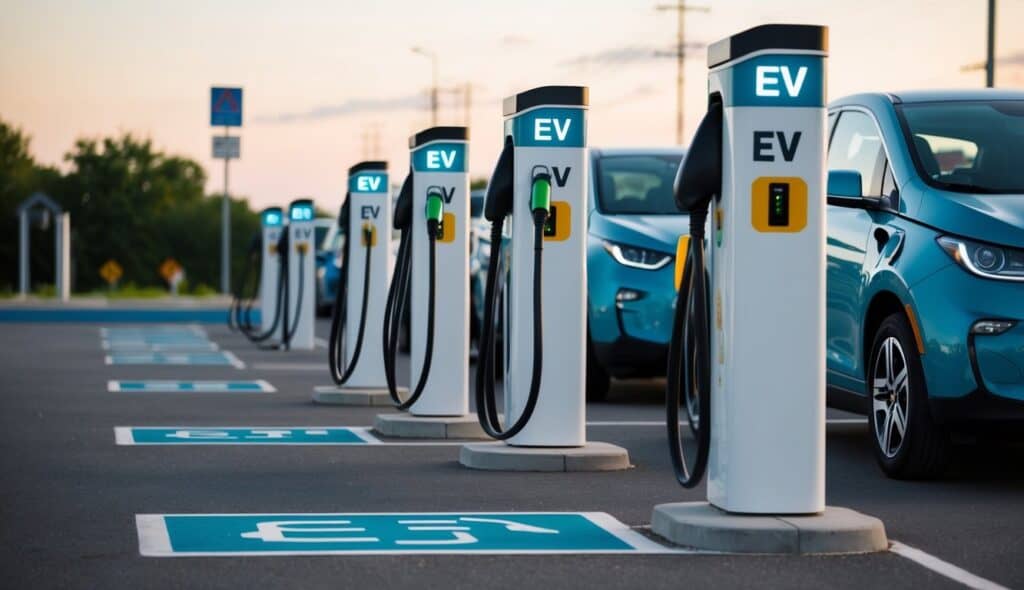
Improving User Experience at EV Charging Stations
EV charging stations should be simple to operate. Clear instructions and intuitive interfaces help drivers charge quickly. Stations need reliable payment systems that accept credit cards and mobile apps.
Wait times are a big concern. Smart scheduling and reservations can cut down on lines. Stations should have enough chargers to meet demand during peak hours.
Real-time status updates let drivers know which stations are free. Apps can show pricing and estimated charging times. This helps drivers plan their trips better.
Regular maintenance keeps stations running smoothly. Broken chargers frustrate users and hurt adoption. Stations should have 24/7 customer support for issues.
Accessibility for Multi-Unit Dwellings and Curbside Charging
Many EV owners live in apartments without dedicated parking. Cities need to add charging options for these drivers. Some solutions include:
- Installing chargers in apartment building parking lots
- Adding public charging stations near multi-unit buildings
- Working with property owners to upgrade electrical systems
Curbside charging helps drivers who park on the street. These stations can be added to existing infrastructure like streetlights. Cities should place them in areas with high demand.
Proper design ensures stations don’t block sidewalks or bike lanes. Accessible parking spaces near chargers accommodate drivers with disabilities.
Check out Electric Vehicle Charging Business Model
Policy and Incentive Frameworks
Governments play a key role in promoting electric vehicle adoption through policies and incentives. These frameworks aim to make EVs more affordable and attractive to consumers while supporting market growth.
Consumer Purchase Incentives and Benefits
Tax credits reduce the upfront cost of buying an EV. Many countries offer rebates of $2,000 to $7,500 on new EV purchases. Some states and cities add extra incentives on top of federal ones.
Free parking for EVs is common in urban areas. This perk saves drivers money and hassle. Many regions also let EVs use carpool lanes, even with just one person.
Lower registration fees and reduced tolls further cut costs for EV owners. Annual savings can add up to hundreds of dollars.
Electric Vehicle Markets and Government Stakeholder Role
Governments set EV sales targets to push automakers to produce more models. California aims for 100% zero-emission new car sales by 2035. The EU has similar goals.
Public charging networks get funding from national and local governments. This helps address “range anxiety” concerns. Grants often cover 50-80% of charger installation costs.
Building codes now often require EV-ready parking spots in new construction. This makes it easier to add chargers later.
Fuel economy standards push car companies to improve efficiency. Stricter rules favor EVs as a way to meet targets.
Data, Standards, and the Future of Electrification
Data collection, open standards, and intercity fast charging are shaping the future of electric vehicle infrastructure. These elements play a crucial role in improving charging systems and expanding electrification efforts.
Importance of Data Collection in EV Charging
Data collection is vital for optimizing EV charging networks. It helps track usage patterns, identify high-demand areas, and plan future expansions. Charging stations can gather info on:
- Peak usage times
- Average charging duration
- Energy consumption rates
This data allows operators to make smart decisions about where to place new chargers and how to maintain existing ones. It also helps electric utilities manage grid load and plan for increased demand.
Adoption of Open Standards for Vehicle–Charge Point Communication
Open standards make EV charging more user-friendly and efficient. They allow different brands of cars and chargers to work together smoothly. Some key benefits include:
- Easier payment systems
- Better communication between cars and chargers
- Improved safety features
The SAE J3400 standard is a good example. It supports advanced features like vehicle-to-grid capabilities, which could help balance the power grid in the future.
Prospects for Electrification and Intercity Fast Charging
Fast charging along highways is crucial for long-distance EV travel. It helps reduce “range anxiety” and makes electric cars more practical for road trips. Key developments include:
- Increasing number of high-power charging stations
- Shorter charging times for newer EV models
- Strategic placement of chargers along major routes
As battery technology improves and charging speeds increase, electric vehicles will become more appealing for intercity travel. This will support wider adoption of EVs and help reduce carbon emissions from transportation.
Sustainability and Environmental Impact
Electric vehicle charging infrastructure plays a key role in reducing pollution and fighting climate change. It helps cut oil use and greenhouse gas emissions while enabling cleaner transportation in cities.
Reducing Oil Use and Greenhouse Gas Emissions
Electric vehicles charged from the grid produce fewer emissions than gas-powered cars. As the grid gets cleaner, EVs become even greener. A study by the International Council on Clean Transportation found that EVs emit 50% less greenhouse gases over their lifetime compared to gas cars.
EV charging stations reduce oil use by enabling more electric miles driven. This cuts dependence on foreign oil imports. It also lowers carbon dioxide emissions that contribute to global warming.
Charging infrastructure allows EVs to replace more gas and diesel vehicles. This is critical for meeting climate goals set by many countries and cities around the world.
Clean Transportation and Its Urban Impact
EV charging helps create cleaner air in cities. Electric vehicles produce zero tailpipe emissions. This improves local air quality and public health.
Cities benefit from less noise pollution with EVs. Charging stations enable more silent electric cars, trucks and buses on urban streets.
Public EV chargers support car-sharing fleets and electric taxis. This gives more people access to clean transportation options.
Fast chargers along highways let EVs take longer trips. This expands clean transport beyond just cities to entire regions.
Collaboration and Planning
Working together is key for successful EV charging infrastructure. Different groups need to join forces and make smart plans. This helps create a charging network that works well for everyone.
Role of Metropolitan Planning Organizations
Metropolitan planning organizations (MPOs) play a big part in EV charging plans. They look at the whole area and figure out where chargers should go. MPOs talk to many groups like cities, counties, and businesses. This helps make sure chargers are put in the right spots.
MPOs also:
- Make long-term plans for transportation
- Give out money for projects
- Help different groups work together
Their planning helps create a charging network that fits with other transportation systems. This makes it easier for people to use electric cars.
Building Cooperation between Public Utilities and EV Stakeholders
Public utilities and EV groups need to work as a team. Utilities provide the power for charging stations. EV groups know what drivers need. When they work together, they can build a better charging system.
Steps for good teamwork:
- Share information about power use and EV needs
- Plan where to put new power lines
- Make fair rules for charging station owners
Utilities can offer special rates for EV charging. This can make it cheaper to charge cars at certain times. EV groups can help utilities understand what kind of chargers people want.
Working together helps solve problems before they start. It also makes sure the charging network grows in a smart way.
Frequently Asked Questions
EV charging stations must meet specific requirements for safety, accessibility, and efficiency. Key considerations include ADA compliance, design standards, and code requirements.
What are the ADA compliance requirements for electric vehicle charging stations?
EV charging stations need to be accessible to all users. This means having enough clear space around the charger for wheelchair users. At least one charging spot should be van-accessible. Charging controls must be within reach for people in wheelchairs. Signs should use large, high-contrast text and Braille.
Which design standards should be applied to EV charging station installations?
EV charging stations should follow SAE J1772 standards for plugs and connectors. This ensures compatibility with most electric vehicles. Stations need proper lighting and weather protection. Cables should be long enough to reach various parking positions.
What are the recommended design guidelines for accessible electric vehicle charging stations?
Accessible EV stations need level, firm surfaces with no steep slopes. Paths to the charger should be clear and wide enough for wheelchairs. Charging cables and interfaces must be easy to use with limited hand strength. Instructions should be simple and use both text and pictures.
What are the specific safety requirements for electric vehicle charging stations?
EV charging stations need ground fault protection to prevent electric shock. Cables must be insulated and protected from damage. Emergency shut-off buttons should be clearly marked and easy to reach. Stations need protection from vehicle impacts and weather exposure.
How do code requirements impact the installation of EV charging infrastructure?
Local building codes may set rules for electrical capacity and wiring. Some areas require a certain number of EV-ready parking spots in new buildings. Permits are often needed for installation. Inspections may be required to ensure compliance with electrical and safety codes.
What are the best practices for optimizing the efficiency of electric vehicle charging?
Smart charging systems can balance loads and avoid peak energy times. Using renewable energy sources like solar can increase efficiency. Regular maintenance keeps chargers working well. Offering both fast and slow charging options meets different user needs.
Conclusion
Electric vehicle charging infrastructure is key to the growth of EV adoption. Best practices focus on strategic planning and deployment.
Assessing local needs is crucial. This includes analyzing current EV ownership and projected growth.
Placing chargers in convenient, accessible locations encourages use. Popular spots include shopping centers, workplaces, and residential areas.
A mix of charging speeds meets diverse user needs. Fast chargers along highways support long trips, while slower chargers work well for longer parking durations.
Proper maintenance keeps charging stations reliable. Regular checks and prompt repairs build user trust.
Standardized payment systems make charging easy for drivers. Clear pricing and multiple payment options improve the user experience.
Future-proofing infrastructure is wise. Installing extra electrical capacity allows for easy expansion as demand grows.
Collaboration between governments, utilities, and private businesses accelerates progress. Public-private partnerships can drive innovation and funding.
Smart charging technology balances grid load and reduces costs. It can adjust charging rates based on electricity demand and pricing.
By following these practices, communities can build robust EV charging networks. This supports the transition to cleaner transportation and reduces emissions.

Hi, I’m Marybeth, an electric car enthusiast living in New York in the USA. As the owner of electriccartalks.com, I love sharing my knowledge on EV tips, battery maintenance, and charging solutions. As a proud Tesla owner, I blend my personal experiences with professional insights to offer valuable information to fellow EV enthusiasts. Through my articles, I aim to empower others to make informed decisions about their electric vehicles. Read more