
Electric vehicles are rapidly gaining popularity around the world. More and more drivers are choosing to go electric for their next car purchase. This shift is happening faster than many people expected.
By 2025, 20% of all new cars sold globally will be electric. This number is set to double to 40% by 2030. The trend shows no signs of slowing down. Car makers are investing heavily in electric vehicle technology and production.
Electric cars offer many benefits over traditional gas-powered vehicles. They produce zero emissions, which helps fight climate change. They also cost less to maintain and fuel up. As battery technology improves, electric cars can go farther on a single charge. This makes them more practical for everyday use.
Evolution of Electric Vehicles
Electric cars have come a long way since their early beginnings. They’ve gone through big changes and faced many challenges to become the popular vehicles we see today.
From Early History to Modern Innovations
Electric cars first appeared in the 1800s. They were quiet and easy to drive, unlike noisy gas cars. But they couldn’t go far on a single charge. This held them back for a long time.
In the 1990s, car makers tried again with electric cars. The GM EV1 was one of the first modern electric cars. It didn’t catch on, but it paved the way for future EVs.
The real breakthrough came in the 2000s. Better batteries made electric cars more practical. The Tesla Roadster showed that electric cars could be fast and cool. This helped change how people saw EVs.
Key Milestones in EV Development
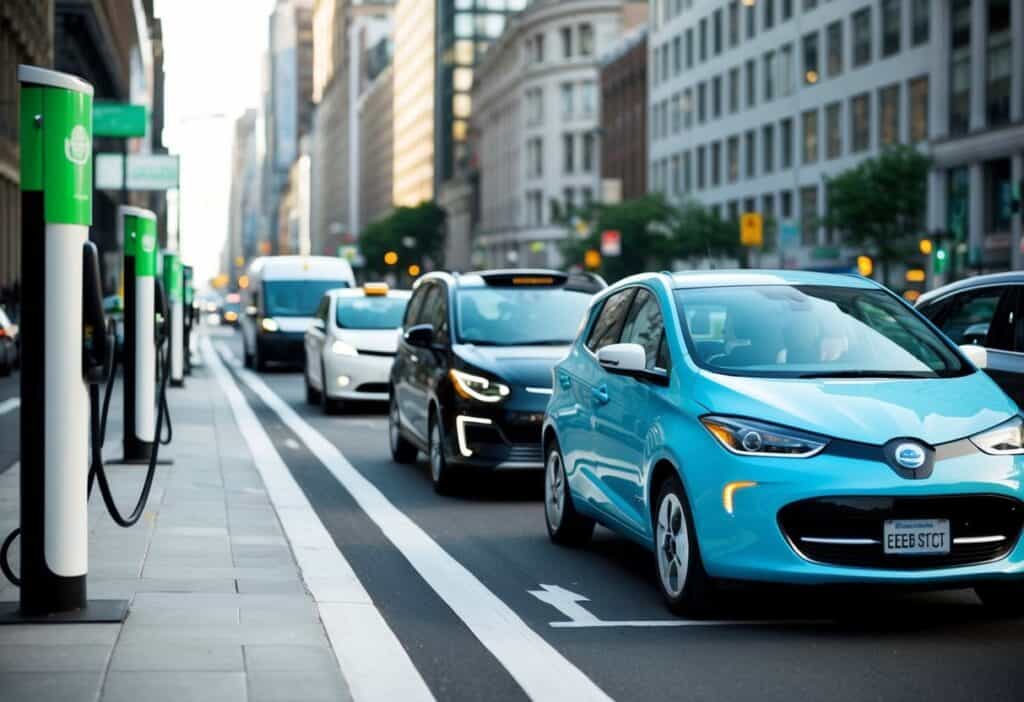
2010 saw the launch of the Nissan Leaf. It was one of the first affordable electric cars for regular buyers. The Leaf proved that EVs could work for everyday use.
Tesla pushed electric cars further with the Model S in 2012. It was fast, looked good, and could go far on a single charge. The Model S showed that electric cars could be luxury vehicles too.
In 2017, Tesla released the Model 3. It was their first lower-priced car. The Model 3 became very popular and helped bring electric cars to more people.
Today, most car companies are making electric vehicles. New models come out often, with better range and faster charging. This shows how far electric cars have come and points to an electric future for cars.
Environmental Impact
Electric vehicles offer significant benefits for the environment. They help reduce emissions, fight climate change, and improve air quality in cities.
Emissions Reduction
Electric cars produce zero tailpipe emissions. This means they don’t release harmful gases like carbon dioxide while driving. A typical electric car can cut emissions by 70% compared to a gas-powered car over its lifetime.
The electricity used to charge EVs does create some emissions. But as the grid gets cleaner with more renewable energy, EVs get even greener. Many EV owners also charge their cars with solar panels at home.
Electric cars are much more energy efficient than gas cars. They convert about 77% of electrical energy into motion. Gas cars only convert 12-30% of fuel energy to power.
Combating Climate Change
Transportation makes up a big part of global greenhouse gas emissions. Switching to electric vehicles can help fight climate change in a big way.
If everyone drove electric cars, it could cut carbon emissions from passenger vehicles by 40-70%. This would make a big dent in overall emissions.
EVs pair well with renewable energy like wind and solar. As these clean energy sources grow, EVs will play a key role in a low-carbon future.
Automakers are investing billions in new electric models. Many countries plan to phase out gas cars in the coming decades to meet climate goals.
Air Pollution and Public Health
Electric vehicles can greatly improve air quality in cities. They don’t release smog-forming pollutants or particulate matter. This helps reduce asthma, lung disease, and other health issues caused by air pollution.
EVs are especially helpful in dense urban areas. They cut down on harmful exhaust fumes that people breathe in every day. This leads to cleaner air and better public health.
Less air pollution also means lower healthcare costs. One study found that EVs could save billions in health costs each year by improving air quality.
Technological Advancements
Electric vehicles are rapidly improving thanks to new technology. Key areas of progress include better batteries, more efficient motors, and faster charging systems.
Battery Technology and Energy Density
New battery designs are making EVs go farther on a single charge. Lithium-ion batteries keep getting better, with higher energy density. This means more power in a smaller, lighter package.
Some car makers are testing solid-state batteries. These could store even more energy and charge faster than current batteries. They may also be safer and last longer.
Researchers are also looking at new materials like graphene. This could lead to batteries that charge in minutes instead of hours.
Electric Motors and Regenerative Braking
EV motors are getting more powerful and efficient. Many use rare-earth magnets to create strong magnetic fields. This helps convert more electricity into motion.
New motor designs can be smaller and lighter. Some cars now use multiple motors – one for each wheel. This gives better control and performance.
Regenerative braking turns motion back into electricity. When the car slows down, the motor acts like a generator. This captures energy that would be wasted as heat in regular brakes.
Innovations in Charging Infrastructure
Charging stations are becoming more common and powerful. New “fast chargers” can add hundreds of miles of range in under 30 minutes.
Wireless charging pads are being tested for homes and parking spots. Cars could charge just by parking over a special pad.
Some companies are working on battery swapping. This would let drivers quickly swap out an empty battery for a full one at special stations.
Smart grids are also part of the plan. These can balance power use and make charging cheaper and greener.
Economic Incentives and Market Dynamics
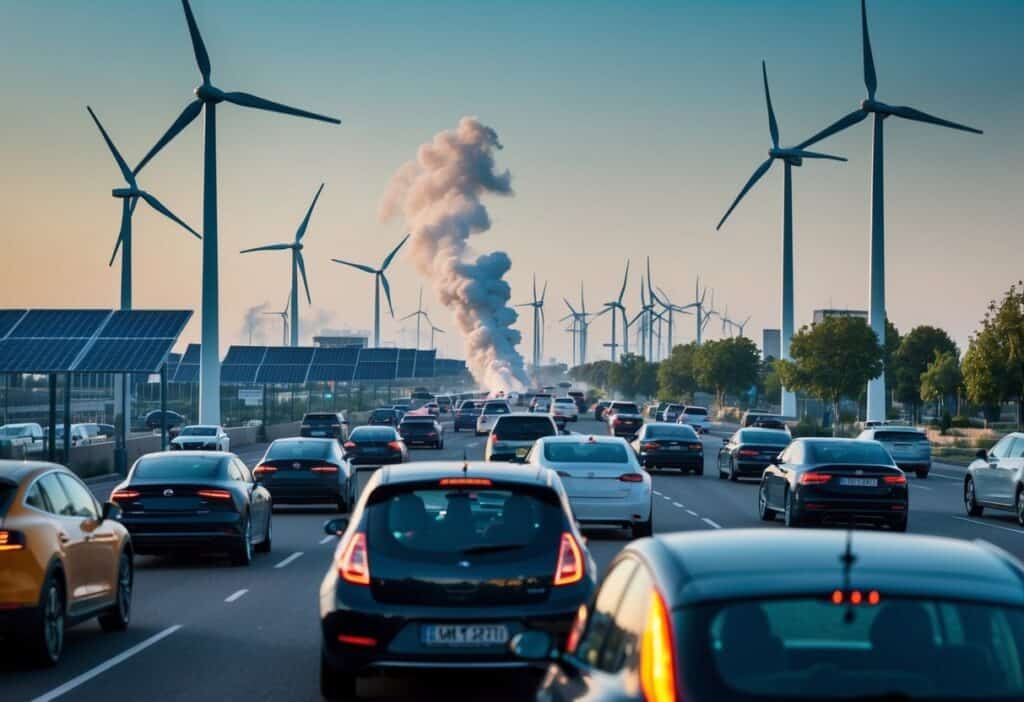
Government policies and market forces are driving rapid growth in electric vehicle adoption. Financial incentives and regulations aim to make EVs more affordable and attractive to consumers. At the same time, falling battery costs and rising gas prices are shifting the economics in favor of electric cars.
Government Subsidies and Emissions Rules
Many countries offer tax credits and rebates to EV buyers. The U.S. gives up to $7,500 in federal tax credits for new electric cars. Some states add extra rebates on top. These can cut thousands off the purchase price.
Strict emissions rules also push automakers to sell more EVs. California and other states require a certain percentage of car sales to be zero-emission vehicles. Companies face fines if they don’t meet the targets.
These policies are working. EV sales hit 10 million globally in 2022. That’s 14% of all new cars sold.
The Inflation Reduction Act and EV Adoption
The 2022 Inflation Reduction Act (IRA) aims to speed up EV adoption in the U.S. It extends tax credits for EV purchases through 2032. Used EVs now qualify for up to $4,000 in credits.
The IRA also boosts EV manufacturing. It offers tax breaks to companies that make batteries and process battery materials in North America. This should help bring down EV prices over time.
Early signs show the IRA is having an impact. Several automakers have announced new EV and battery plants in the U.S. since it passed.
Cost Savings and Total Cost of Ownership
EVs often cost more upfront than gas cars. But they can save money long-term. Electricity is cheaper than gas in most places. EVs also need less maintenance.
A 2020 Consumer Reports study found EV owners save $6,000 to $10,000 on fuel and maintenance over the life of their car. The savings are even higher for trucks and SUVs.
Battery costs keep falling too. They dropped 89% from 2010 to 2020. As this trend continues, EVs will become even more cost-competitive.
| Cost Category | Electric Vehicle | Gas Vehicle |
|---|---|---|
| Fuel | $0.04/mile | $0.10/mile |
| Maintenance | $0.03/mile | $0.06/mile |
| Total | $0.07/mile | $0.16/mile |
*Average costs per mile (Source: U.S. Department of Energy)
Consumer Considerations
Buyers weigh several key factors when thinking about electric vehicles. These include how EVs stack up against gas-powered cars, concerns about driving range, and current sales trends.
Comparing EVs to Internal Combustion Engine Vehicles
Electric cars offer some big advantages over gas-powered vehicles. They cost less to fuel and maintain. EVs are also quieter and produce zero tailpipe emissions.
Many new electric models now match or beat gas cars in performance and features. However, EVs still tend to have higher upfront costs.
Charging time is another difference. While gas cars refuel in minutes, most EVs take 30 minutes to several hours to charge. This can be an issue for some drivers.
Understanding Range Anxiety
Range anxiety is the fear of running out of battery power before reaching a charging station. It’s a common worry for those new to EVs.
Most new electric cars can drive 200-300 miles on a charge. This covers daily needs for most people. But longer trips require planning.
Public charging networks are growing fast. This helps ease range concerns. Many EV owners also install home chargers for daily use.
The Reality of Electric Car Sales
Electric vehicle sales are rising quickly. In 2022, global EV sales jumped over 60% from the year before.
EVs made up about 10% of new car sales worldwide in 2022. Some countries saw much higher rates. Norway led with over 80% of new cars being electric.
Major automakers are launching more EV models. Governments are also pushing for EV adoption through incentives and regulations.
Experts predict EVs will make up over half of new car sales by 2030 in many markets.
Industry Impacts
The shift to electric vehicles is reshaping the automotive landscape. Companies are adapting to new technologies and changing consumer demands. This transition affects automakers, suppliers, and related industries in significant ways.
Shifts in Automotive Industry and Suppliers
Car makers are retooling factories to produce electric models. Many are investing billions in EV development. This change impacts traditional parts suppliers. Some struggle to adapt, while others find new opportunities.
Engine and transmission makers face challenges. They must pivot to electric drivetrain components. Makers of brakes and suspensions need to adjust designs for EVs.
New players enter the market. Tech companies and startups compete with established automakers. This shakes up long-standing industry relationships.
Battery Production and the Supply Chain
Battery production becomes a key focus. Automakers partner with or invest in battery makers. New battery plants open near car factories.
The supply chain shifts. Demand grows for lithium, cobalt, and nickel. Countries with these resources gain importance.
Recycling becomes crucial. Companies develop ways to reuse battery materials. This helps address supply concerns and environmental issues.
Planning for a Future in Electric Mobility
Automakers plan for a fully electric future. Many set targets to phase out gas-powered cars. This affects long-term product planning and investment.
Cities and countries are preparing for more EVs. They build charging stations and update power grids. Some plan to ban gas cars in the coming years.
Shared mobility services switch to electric fleets. This creates new markets for EVs. It also changes how people think about car ownership.
Safety and Performance
Electric vehicles offer improved safety features and enhanced performance compared to traditional gas-powered cars. These advancements make EVs an attractive option for many drivers.
Safety Features of Electric Vehicles
Electric vehicles come with built-in safety advantages. Their battery packs are placed low in the car, giving EVs a lower center of gravity. This design helps prevent rollovers and improves handling.
EVs have fewer moving parts than gas cars. This means less chance of mechanical failure. It also allows for larger crumple zones to absorb impact in a crash.
Many electric cars have advanced driver assistance systems. These include:
- Automatic emergency braking
- Lane keeping assist
- Blind spot monitoring
Electric vehicles also reduce fire risk. They don’t carry flammable gasoline. EV batteries are protected in strong cases and have safety systems to prevent overheating.
The Performance Edge of Electric Propulsion
Electric motors provide instant torque. This gives EVs quick acceleration from a stop. Many electric cars can go from 0 to 60 mph faster than similar gas-powered models.
EVs offer smooth, quiet rides. There’s no engine noise or vibration. This makes for a more comfortable driving experience.
Electric cars have good weight distribution. Their batteries are spread out under the floor. This helps with:
- Handling
- Cornering
- Overall stability
Regenerative braking in EVs helps extend range. It also reduces wear on brake pads. This can lower maintenance costs over time.
Some electric vehicles offer all-wheel drive. They can have a motor for each axle or wheel. This setup provides excellent traction and control in various driving conditions.
Future Outlook
Electric vehicles are set to transform transportation in the coming years. Growth in EV sales, technological advances, and global expansion will reshape the automotive landscape.
Predicting the EV Market Growth
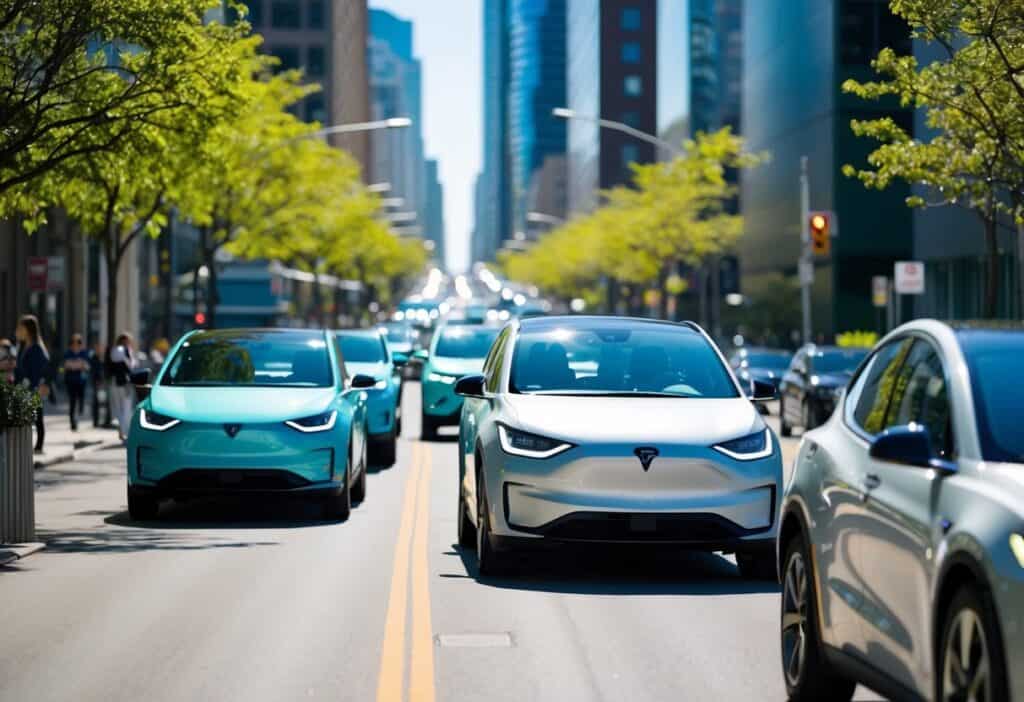
EV sales are rising fast. By 2025, electric cars may make up 20% of all new car sales worldwide. This rapid growth is driven by falling battery costs and better charging networks.
Many countries plan to phase out gas-powered cars. The UK aims to ban new gas and diesel car sales by 2030. China wants new energy vehicles to be 25% of car sales by 2025.
More car makers are going all-electric. GM plans to offer only electric vehicles by 2035. Volkswagen expects 70% of its European sales to be electric by 2030.
Anticipating Future Technological Breakthroughs
Battery tech keeps improving. New designs may double EV range and cut charging time to just 10 minutes. Solid-state batteries could be a game-changer, offering more power in a smaller, safer package.
Self-driving tech will likely advance alongside EVs. This could lead to electric robotaxis and delivery vehicles.
Wireless charging may become common. Roads with built-in chargers could power EVs as they drive.
Regional and Global Expansion Perspectives
China leads in EV adoption now, but other regions are catching up. Europe is seeing fast growth, with Norway already at over 50% EV market share.
The U.S. is ramping up EV production and charging networks. President Biden wants half of new car sales to be electric by 2030.
India and other developing countries are starting to embrace EVs. This could lead to cleaner air in crowded cities.
Global EV growth faces some hurdles. More charging stations are needed. Grid upgrades may be required to handle increased power demand.
Public Infrastructure and Policy
The shift to electric vehicles relies heavily on public charging networks and supportive government policies. These factors play a crucial role in driving EV adoption and creating a sustainable transportation future.
Development of Public Charging Networks
Public chargers are a key part of EV infrastructure. The U.S. aims to build 500,000 EV chargers by 2030. This goal is backed by $5 billion in federal funding through the National Electric Vehicle Infrastructure program.
State programs are also investing in charging stations. Over $1.6 billion has been allocated for public charging infrastructure at the state level.
Many chargers will be placed along major highways. This will create a coast-to-coast network for long-distance EV travel.
Cities are working to expand local charging options too. They’re adding chargers in public parking lots, near businesses, and in residential areas.
Policy Implications for Electrification
Government policies are pushing for more EVs on the roads. New emissions rules encourage automakers to produce cleaner vehicles.
Financial incentives make EVs more affordable for consumers. These include tax credits and rebates for EV purchases.
Some cities are creating low-emission zones. These areas restrict or charge fees for high-polluting vehicles, favoring EVs.
Building codes are being updated to require EV charging in new construction. This helps ensure charging access in homes and workplaces.
Policies also support research and development in EV technology. This leads to better batteries, faster charging, and more efficient vehicles.
Frequently Asked Questions
Electric vehicles raise many questions about their environmental impact, advantages, potential downsides, and future adoption. Let’s look at some key issues related to EVs and their role in transportation.
What are the environmental benefits of using electric vehicles?
EVs produce zero tailpipe emissions. This helps reduce air pollution in cities. They also have a smaller carbon footprint than gas cars when charged with clean electricity. EVs are more energy efficient too. They convert about 60% of energy to wheel power, compared to only 20% for gas vehicles.
What advantages do electric cars have over traditional gasoline vehicles?
Electric cars cost less to fuel and maintain. Charging an EV is cheaper than buying gas. EVs also have fewer moving parts, so they need less upkeep. EVs offer a quieter, smoother ride. Their instant torque provides quick acceleration. Many models now have ranges over 250 miles on a single charge.
What could be the downsides of adopting electric vehicles for the environment?
EV battery production can be resource-intensive. Mining materials like lithium has environmental impacts. Improper battery disposal could also cause issues. If charged with coal power, EVs may not reduce emissions much. A clean electricity grid is key for EVs to reach their full green potential.
By which year is it expected that the majority of cars will be electric?
The EPA predicts over 50% of new cars sold will be electric by 2032. This is based on new emissions rules pushing automakers to speed up EV production. Global EV adoption is rising fast. Many countries plan to phase out gas car sales between 2030-2040.
How might electric cars influence our future transportation systems?
EVs could reshape cities with less noise and air pollution. Wireless charging roads may extend driving range. Self-driving electric cars could change how we travel. EVs may lead to more renewable energy use. Their batteries could store extra solar and wind power for the grid.
Can electric vehicles make a significant impact in reducing global carbon emissions?
EVs can cut transportation emissions, which make up about 15% of global carbon output. As grids get cleaner, EV climate benefits will grow. Wide EV adoption paired with renewable energy could slash carbon emissions. But other sectors like industry and agriculture must also reduce emissions to meet climate goals.
Conclusion
Electric vehicles are set to transform transportation in the coming decades. Their growing popularity stems from several key factors.
Improved battery technology allows for longer driving ranges. This addresses a major concern for many potential buyers.
The expanding charging network makes EVs more practical for everyday use. Drivers can now find charging stations in many locations.
Government incentives and regulations continue to promote EV adoption. Many countries have set ambitious targets for phasing out gas-powered cars.
Major automakers are investing heavily in electric models. This increases consumer options across vehicle types and price points.
EVs offer lower operating costs compared to gas vehicles. Electricity is generally cheaper than gasoline for equivalent mileage.
As production scales up, EV prices are expected to decrease further. This will make them accessible to more consumers.
The shift to electric power aligns with global efforts to reduce emissions. EVs produce zero direct emissions, supporting climate goals.
With these trends, electric vehicles are poised to become the dominant form of personal transportation in the near future.
You may also like:
Hi, I’m Marybeth, an electric car enthusiast living in New York in the USA. As the owner of electriccartalks.com, I love sharing my knowledge on EV tips, battery maintenance, and charging solutions. As a proud Tesla owner, I blend my personal experiences with professional insights to offer valuable information to fellow EV enthusiasts. Through my articles, I aim to empower others to make informed decisions about their electric vehicles. Read more