
Electric cars are losing value fast. Many new EVs drop by 50% in their first year. This trend is shaking up the car market in 2024.
The average used electric car price fell from $63,069 to $33,645 in about 18 months. This 47% drop is much steeper than for gas-powered cars. EV makers and buyers are feeling the impact.
Several factors drive this rapid EV depreciation. New models come out often with better range and features. Older EVs can’t keep up. Battery tech keeps improving too. This makes older electric cars less appealing. The used EV market is also growing, pushing prices down. Buyers have more options now than ever before.
Understanding Electric Vehicle Depreciation
Electric cars lose value over time, but at different rates than gasoline-powered vehicles. This affects the total cost of owning an electric car.
Concept of Depreciation
Depreciation is the loss in value of a car as it ages. New cars typically lose 15-35% of their value in the first year. Over five years, most cars lose 40-60% of their original price.
Factors affecting depreciation:
- Age and mileage
- Brand reputation
- Market demand
- Technological advancements
For electric cars, battery health is a key factor. As batteries degrade, range decreases, impacting resale value.
Electric Cars vs Petrol Cars
Electric cars have historically depreciated faster than petrol cars. From 2022 to 2024, used electric car prices dropped 47% on average. Petrol cars saw smaller declines in the same period.
Reasons for faster EV depreciation:
- Rapid technology improvements
- Concerns about battery life
- Limited charging infrastructure
- Changing government incentives
However, this gap is narrowing. Improved battery tech and growing EV adoption are helping resale values. Some luxury electric models now hold value better than their petrol counterparts.
The depreciation difference varies by make and model. Popular electric cars tend to retain value better than less common ones.
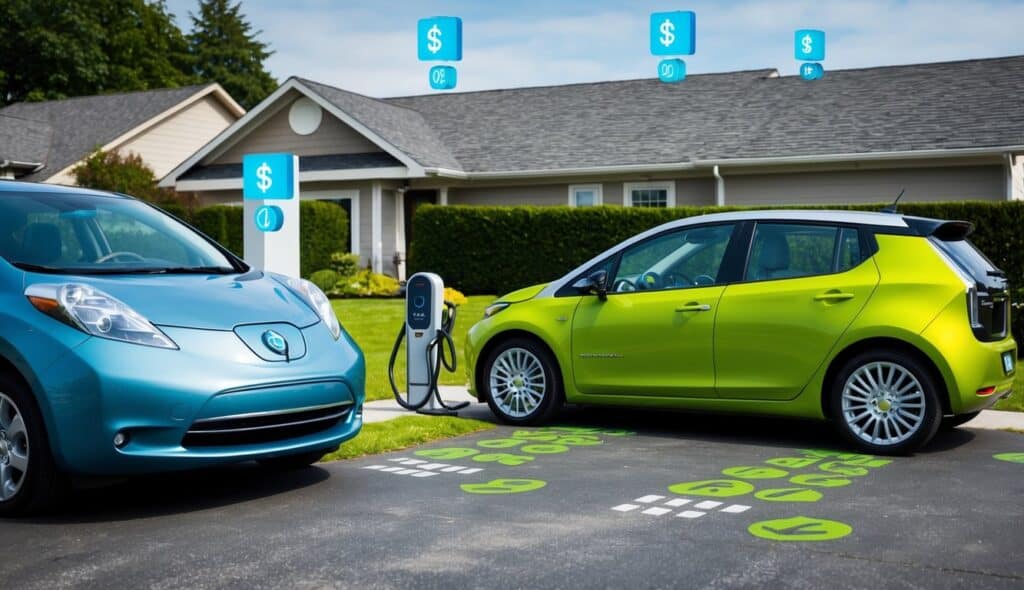
Factors Influencing Electric Car Depreciation
Electric car depreciation stems from several key factors. These include battery health, market trends, evolving technology, and the impact of traditional automakers entering the EV space.
Battery Technology and Health
Battery condition plays a big role in electric car value. As batteries age, they lose range and capacity. This affects how far the car can drive on a charge.
Many buyers worry about battery life when looking at used EVs. Cars with degraded batteries are worth less. Newer models like the Tesla Model 3 have better battery tech that holds up longer.
Some carmakers offer battery warranties to ease concerns. For example, Hyundai provides a 10-year battery warranty on the Ioniq. This can help slow depreciation.
Model Popularity and Market Dynamics
Popular EV models tend to hold value better. The Tesla Model 3 and Model X have strong resale values due to high demand.
Less popular models may see faster depreciation. Market oversupply can drive prices down quickly.
Government incentives also affect EV prices. When incentives change, it can impact both new and used EV values. This happened with some Tesla models when tax credits ended.
First-Generation Technology
Early EV models often lose value faster. They may lack features or range compared to newer cars.
The first Nissan Leaf is an example. It had a short range and outdated tech. This led to rapid depreciation.
Newer EVs like the Porsche Taycan have more advanced systems. They tend to hold value better than first-gen models.
Legacy Manufacturers’ Impact
Traditional carmakers entering the EV market affect prices. Brands like Ford with the Mustang Mach-E bring more options.
This increased competition can lead to price drops. It may cause faster depreciation for some existing EV models.
Legacy brands also bring trust and service networks. The Mercedes EQE, for instance, benefits from the company’s reputation. This can help slow depreciation for their EVs.
Check out Does Electric Vehicles Cause Pollution?
Depreciation Trends Across Different EV Models
Electric vehicle depreciation varies widely across different models and segments. Premium brands, entry-level options, and performance-focused EVs each face unique resale value challenges in the rapidly evolving market.
Premium Electric Cars
Tesla models have shown mixed depreciation trends. The Model 3 holds its value better than many rivals, losing around 40% after 3 years. The more expensive Model S depreciates faster, dropping up to 50% in the same period.
Mercedes EQC and BMW iX lose value quickly. These luxury EVs can shed over 50% of their original price in just 3 years. Early adopters face steep depreciation as newer models with improved tech enter the market.
The Porsche Taycan bucks the trend somewhat. It depreciates more slowly than other premium EVs, losing about 45% of its value after 3 years. This reflects Porsche’s strong brand and the Taycan’s cutting-edge performance.
Entry-Level Electric Cars
The Nissan Leaf faces rapid depreciation. First-generation models can lose up to 70% of their value in 5 years. Newer Leafs fare better but still depreciate faster than gas-powered equivalents.
Chevrolet Bolt prices have dropped sharply. Used Bolts often sell for less than half their original price after just 3 years. Battery concerns and recalls have impacted resale values.
Hyundai Kona Electric and Kia Niro EV hold value better than some rivals. They typically lose about 45-50% over 3 years. Their practicality and lower starting prices help maintain resale value.
Sporty EVs and Their Resale Value
The Ford Mustang Mach-E shows promising resale trends. It loses about 40-45% of its value after 3 years, performing better than many electric SUVs.
Tesla Model Y retains value well for a performance EV. It depreciates around 35-40% over 3 years, among the best in its class.
Audi e-tron GT faces steeper depreciation. It can lose over 50% of its value in 3 years, despite its high-performance credentials. Limited market awareness impacts resale prices.
Read Do Electric Vehicles Have Alternators?
The Role of Infrastructure and Technology on EV Values
Charging infrastructure and EV technology greatly impact electric car values. These factors shape how people view and use EVs, affecting their long-term worth.
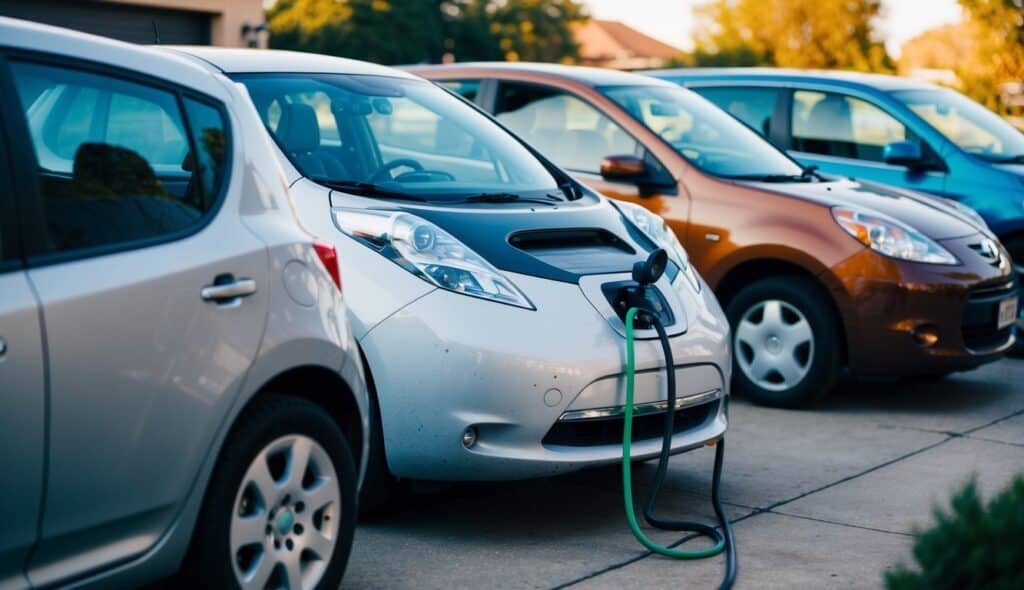
Charging Infrastructure Development
Charging stations play a key role in EV values. More public chargers make EVs more useful and desirable. This can help them keep their value over time.
The current charging network has some issues. Many chargers don’t work well or cost too much to use. This can make people less eager to buy EVs.
Better charging options could boost EV values. Fast chargers that work every time would make EVs more practical. Lower charging costs would also make EVs more appealing to own long-term.
Advancements in EV Technology
New EV tech affects how well these cars hold their value. Longer-lasting batteries are a big deal. They help EVs stay useful for more years, which can slow down how fast they lose value.
Faster charging is another key area. EVs that can charge in minutes instead of hours are more valuable. They’re easier to use on long trips.
Better range is also important. New EVs that can go farther on a single charge are worth more. They’re more useful for everyday driving and road trips.
As EV tech gets better, older models might lose value faster. But overall, these advances should help EVs keep more of their value in the long run.
Ownership Costs and EV Buyer Considerations
Electric cars have unique cost factors compared to gas-powered vehicles. These include different running costs and impacts on resale value.
Running Costs Comparison
EVs generally cost less to run than gas cars. Electricity is cheaper than gas in most places. EV owners save money on fuel costs over time.
EVs also need less maintenance. They have fewer moving parts that can break down. This means lower repair bills for EV owners.
But EVs do have some extra costs. Home charger installation can cost $500-$1,300. Public charging may be pricey in some areas.
EV batteries are expensive to replace. Most last 8-10 years or more. Battery costs are going down as technology improves.
Service History and Resale Value
EVs often lose value faster than gas cars. This affects resale prices. Some reasons for this include:
- Fast-changing EV tech makes older models less desirable
- Worries about battery life in used EVs
- Fewer buyers in the used EV market
Good service history can help an EV keep its value. Regular battery checks and software updates are key.
EV range is a big factor in resale value. Longer-range models tend to hold value better. Buyers want EVs that can go far on a single charge.
Analyzing Market Research on EV Depreciation
Electric car depreciation rates have shocked many in the auto industry. Recent studies reveal steep drops in value for many popular EV models. Let’s examine some key data and predictions.
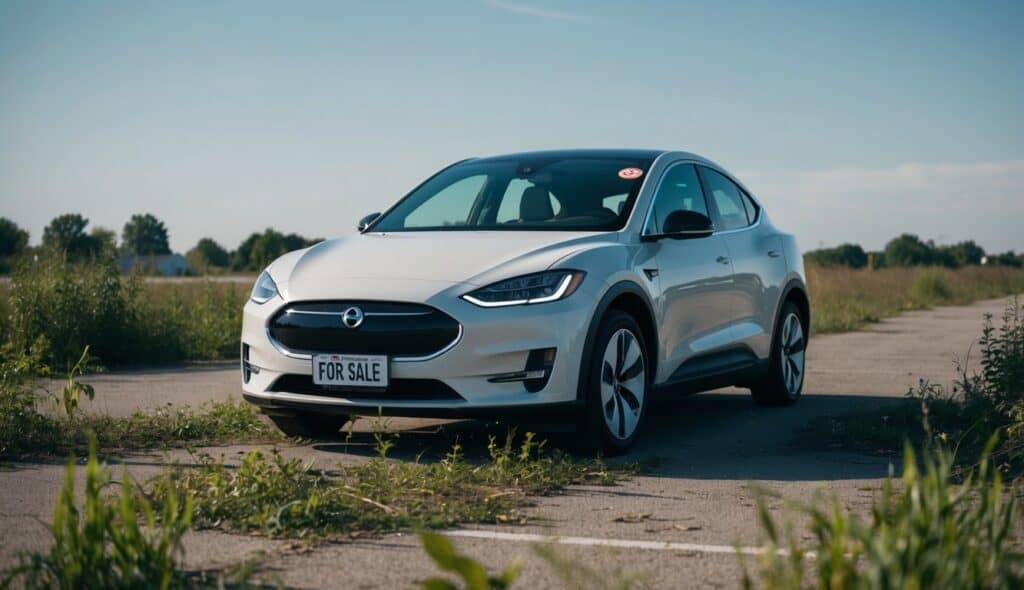
Cap Hpi Data Insights
Cap Hpi, a leading vehicle valuation company, found alarming depreciation rates for EVs. Their research shows some electric cars losing up to 50% of their value in just one year. This is much faster than gas-powered cars.
The Polestar 2 and Mercedes EQE saw big drops. After 12 months, these models were worth about half their original price. The Audi E-Tron also struggled to keep its value.
Experts think this rapid depreciation stems from a few factors:
- Fast-changing EV technology
- Worries about battery life
- High upfront costs of new EVs
Resale Value Predictions
Analysts expect EV resale values to stay low in the near future. Used electric car prices have fallen sharply since 2022.
The average used EV price dropped from $63,069 to $33,645 in about 18 months. That’s a 47% decrease. This trend may continue as more used EVs enter the market.
Some predict EV values will stabilize as the technology matures. But for now, buyers should expect steep depreciation. This could mean good deals on used EVs, but bad news for new EV owners.
Future of Electric Vehicles Depreciation
EV depreciation rates are expected to stabilize in the coming years. As battery technology improves, concerns about battery life will likely decrease. This could help EVs retain more of their value over time.
Increased consumer adoption of electric vehicles may also impact depreciation. As more people buy EVs, the used market could become more robust. This increased demand for used electric cars may help slow their rate of value loss.
Government policies will play a role in future EV depreciation. Continued incentives for new EV purchases could affect used car values. However, if incentives are extended to used EVs, it may help bolster their resale prices.
Advances in charging infrastructure may positively influence depreciation rates. As charging becomes more convenient and widespread, EVs could become more attractive to used car buyers.
The pace of technological change remains a factor to watch. Rapid improvements in range and features could make older models less desirable. This might lead to faster depreciation for some EV models.
Manufacturer strategies will also impact future depreciation. Some brands may focus on longevity and updateability to help their EVs retain value. Others might prioritize rapid innovation, potentially leading to quicker obsolescence.
Frequently Asked Questions
Electric vehicle depreciation is a complex topic with many contributing factors. Here are some key questions and answers to help understand this issue better.
What factors contribute to the high depreciation rate of electric vehicles?
Rapid tech changes affect EV value. New models often have better range and features. This makes older EVs less appealing. Government incentives also play a role. Initial EV prices are often higher due to these perks. As incentives end, resale values can drop. Battery health is crucial for EVs. As batteries age, range decreases. This can lower an EV’s value over time.
How does the resale value of electric cars compare to that of gasoline-powered vehicles?
EVs tend to lose value faster than gas cars. Used EV prices have fallen sharply in recent years. A study found EVs lose about 49% of their value in 5 years. Gas cars typically lose less. Some EVs may lose over $5,700 per year in the first 5 years. This adds up to about $28,500 in total depreciation.
What is the typical depreciation rate of electric vehicles over time?
EV depreciation rates can vary widely. Some lose value quickly, while others hold their worth better. On average, used EV prices dropped 47% in about 18 months from 2022 to 2024. This is a steep decline. The first few years often see the biggest drops in value. After that, the rate may slow down.
How does the IRS treat electric vehicle depreciation for tax purposes?
The IRS allows businesses to deduct EV depreciation. This can help offset the initial higher cost. Exact rules may change yearly. It’s best to check current IRS guidelines or consult a tax pro. Some EVs might qualify for bonus depreciation. This lets businesses deduct more in the first year.
Why might some electric vehicles depreciate faster than others?
Brand reputation affects resale value. Well-known brands may hold value better. Range is a big factor. EVs with longer range often keep more value. Unique features can help. Cars with stand-out tech might depreciate less quickly. Model updates matter too. If a new version comes out with big improvements, older models may lose value faster.
Are there trends showing a decrease in the popularity of electric cars?
EV sales are still growing in many markets. But the rate of growth has slowed in some areas. Used EV prices have dropped. This could mean less demand for older models. Some buyers worry about charging and range. These concerns might affect EV popularity. New EV models keep coming out. This shows carmakers still see a future in electric cars.
Conclusion
Electric cars are losing value quickly. Many factors contribute to this trend. New technology improves fast, making older models less desirable. Battery tech keeps getting better, so older batteries seem outdated.
Government incentives play a big role too. They make new EVs cheaper, which affects used car prices. As incentives change, it impacts the market.
Limited charging infrastructure is another issue. It makes some buyers hesitant about EVs. This lower demand affects resale values.
Maintenance costs and battery replacements worry some people. These concerns can make used EVs less attractive to buyers.
The EV market is still young and changing rapidly. As it matures, depreciation rates may stabilize. For now, EV buyers should be aware of these factors when making purchase decisions.

Hi, I’m Marybeth, an electric car enthusiast living in New York in the USA. As the owner of electriccartalks.com, I love sharing my knowledge on EV tips, battery maintenance, and charging solutions. As a proud Tesla owner, I blend my personal experiences with professional insights to offer valuable information to fellow EV enthusiasts. Through my articles, I aim to empower others to make informed decisions about their electric vehicles. Read more