
Electric vehicles are changing the way we think about car maintenance. While EVs don’t need oil changes, their tires still require attention. Many drivers wonder how long tires last on electric cars.
EV tires typically last between 30,000 to 40,000 miles before needing replacement. This is about 20% less than tires on gas-powered cars. The extra weight of EV batteries and instant torque put more stress on the tires.
Tire life can vary based on driving habits and road conditions. Some EV owners report getting up to 50,000 miles from a set of tires with careful driving. Regular tire rotations and proper inflation can help extend their lifespan. When it’s time for new tires, choosing ones made specifically for EVs can improve performance and range.
Fundamentals of EV Tires
EV tires are made to meet the unique needs of electric vehicles. They combine low rolling resistance, strong traction, and good grip to help EVs perform their best.
Defining EV-Specific Tires
EV tires are built to handle the extra weight and instant torque of electric cars. They use special rubber compounds and tread patterns to last longer. These tires must be strong enough to carry heavy battery packs. They also need to grip well for quick starts.
EV tires are often quieter than regular tires. This helps keep the ride smooth in near-silent electric cars. Many EV tires have stiffer sidewalls to improve handling. Some even use foam inside to reduce noise.
Benefits of Low Rolling Resistance
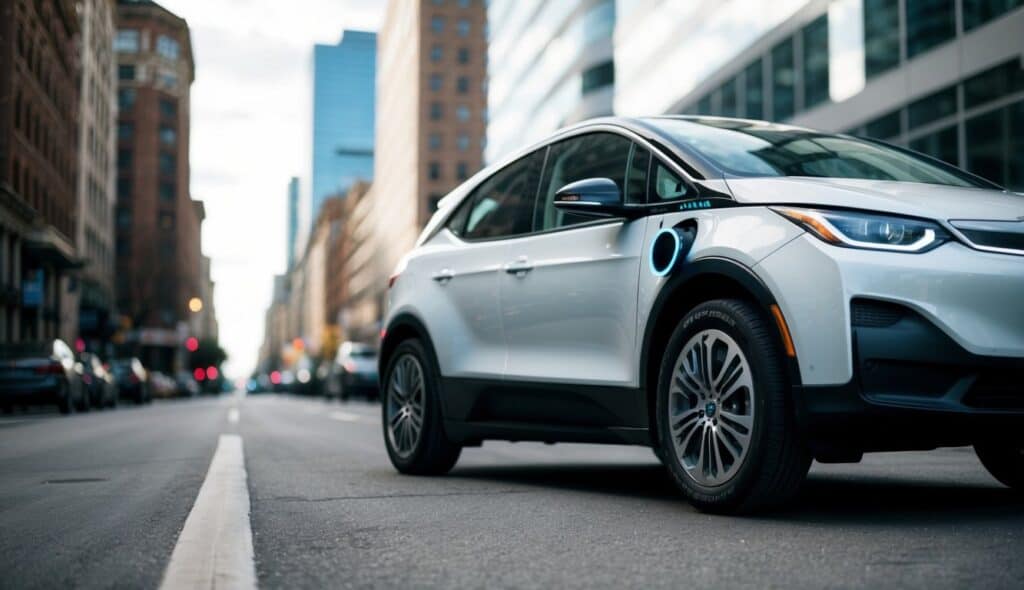
Low rolling resistance tires help EVs go farther on a single charge. These tires are made to flex less as they roll. This means they use less energy to move the car forward.
EV tires with low rolling resistance can boost range by 5-10%. They do this by:
- Using harder rubber compounds
- Having shallower tread depths
- Using special tread patterns
While these tires save energy, they must still provide good traction and wear life.
Importance of Traction and Grip
Strong traction and grip are vital for EV tires. Electric cars produce instant torque, which can easily spin the wheels. Good traction helps put this power to the ground safely.
EV tires need to grip well in all weather. This includes:
- Dry roads for quick starts
- Wet roads to prevent hydroplaning
- Light snow for winter driving
Tire makers use special tread patterns and rubber mixes for EVs. These provide the grip needed to handle the car’s power and weight. Good traction also helps with braking, which is key for EVs that use regenerative braking systems.
Comparing EV and Gas-Powered Vehicle Tires
EV tires differ from gas-powered car tires in key ways. These differences affect tire life, performance, and noise levels.
Structural Differences in Tires
EV tires are built to handle more weight. The batteries in electric cars make them heavier than gas cars. This extra weight puts more stress on the tires.
EV tires use special rubber compounds. These help the tires grip better and last longer. The tread patterns are also different. They’re made to handle the high torque of electric motors.
Tesla and other EV makers often use low rolling resistance tires. These tires help extend the car’s range. But they can wear out faster than regular tires.
EV tires typically last 30,000 to 40,000 miles. Gas car tires often last longer, up to 50,000 miles or more.
Tire Noise Considerations
Tire noise is more noticeable in EVs. With no engine noise, the sound of tires on the road stands out more.
EV makers use special tires to reduce noise. These tires have unique tread patterns and foam inserts. The foam helps absorb road noise.
Gas-powered cars don’t need such quiet tires. Their engine noise masks a lot of tire sound. But some luxury gas cars use noise-reducing tires for a smoother ride.
EV tires often cost more than regular tires. The special design and materials add to the price. But the quiet ride is a big plus for many EV owners.
Impact of Performance Factors on Tires
Electric vehicles have unique traits that affect tire wear. Their instant torque, regenerative braking, and heavy weight all play a role in how long tires last.
EV Torque and Tread Life
Electric cars produce high torque instantly. This quick acceleration can wear tires faster than on gas cars. The strong force puts extra stress on the rubber.
Tires made for EVs use special compounds to handle this force. These compounds help the tires last longer under heavy acceleration.
Drivers who often use the full power of their EV may see faster tire wear. Gentle acceleration can help tires last longer.
Effects of Regenerative Braking
Regenerative braking helps EV batteries charge while slowing down. This system changes how tires wear compared to regular cars.
With regen braking, the front tires may wear faster than the rear. The system puts more force on the front wheels when slowing down.
But overall, regen braking can help tires last longer. It reduces the use of friction brakes, which can be hard on tires.
Regular tire rotations are key for EVs. This helps even out wear from regen braking.
Load Index and Tire Durability
EVs are often heavier than gas cars due to their batteries. This extra weight affects tire life.
Tires for EVs need a higher load index. This means they can carry more weight safely.
The right load index is crucial for tire life and safety. Using tires with too low a load index can lead to faster wear and even tire failure.
EV-specific tires are made to handle the extra weight. They have stronger sidewalls and special designs to spread out the load.
When buying new tires, always check the load index. Make sure it matches or exceeds what the car maker recommends.
Technical Aspects of EV Tires
EV tires have special features to meet the unique needs of electric vehicles. These tires focus on improving range and handling while withstanding high torque.
Aerodynamics and Tread Patterns
EV tires use special tread patterns to cut air resistance. The designs have fewer grooves and a smoother surface. This helps the car move through the air more easily.
Tread depth is often shallower on EV tires. This reduces rolling resistance and saves energy. But it can affect grip in wet conditions.
Some EV tires have asymmetric tread patterns. These provide good cornering and help channel water away. The tires may also have stiffer sidewalls to handle the extra weight of EV batteries.
Material and Tire Compounds
EV tire compounds are made to be tough and long-lasting. They use special rubber mixes that can handle high torque and quick acceleration.
These compounds are often softer than regular tire rubber. This gives better grip and helps the tires wear evenly. Some EV tires use silica in their compounds. This improves fuel efficiency and wet grip.
The materials in EV tires also aim to reduce noise. This is important because EVs are very quiet. Foam inserts or special rubber layers help absorb sound and make the ride smoother.
Economic and Ecological Considerations
Electric vehicle tires affect both the wallet and the planet. They play a key role in fuel efficiency and require careful maintenance.
Cost Analysis of EV Tires
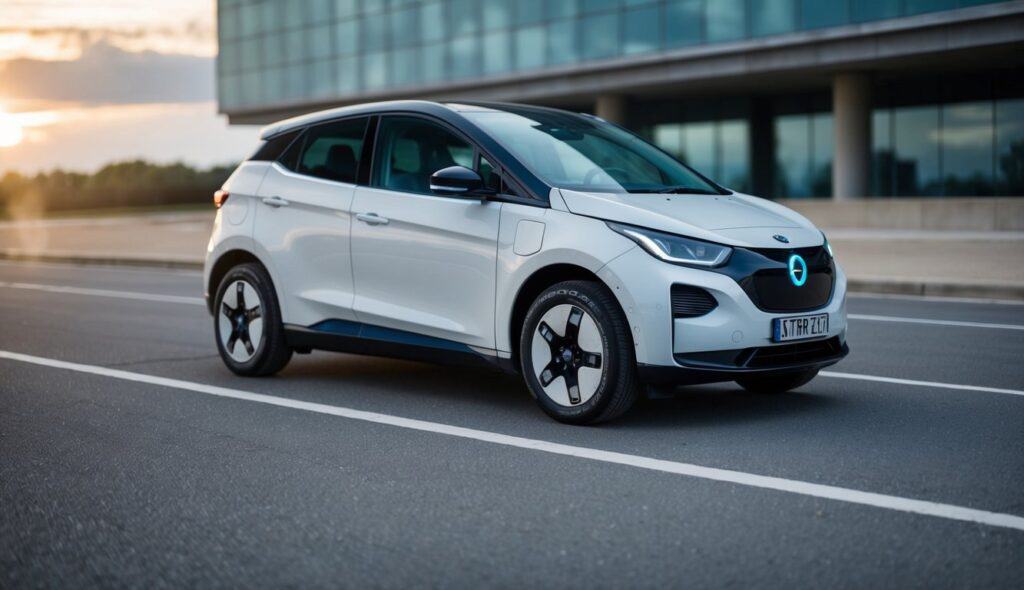
EV tires often cost more than regular car tires. This is due to their special design for lower rolling resistance and better grip. On average, EV tires can range from $150 to $300 per tire.
But EV tires may save money in the long run. They help improve the car’s range, which means less frequent charging. This can lead to lower energy costs over time.
EV tires also tend to wear out faster than regular tires. This is because of the heavy weight and instant torque of electric cars. Owners might need to replace them more often, adding to long-term costs.
Environmental Impact of Tire Production
Making tires for EVs uses a lot of resources. The process creates carbon emissions and uses raw materials like rubber and oil.
But EV tires can help reduce overall emissions. Their low rolling resistance design helps cars use less energy. This means fewer emissions over the life of the vehicle.
Tire companies are working on more eco-friendly options. Some use recycled materials or natural rubber. These efforts aim to lower the environmental impact of tire production.
Proper tire care can also help the environment. Regular rotation and proper inflation can make tires last longer. This reduces the need for new tires and cuts down on waste.
EV Tire Selection and Maintenance
Proper tire selection and care are key for electric vehicle performance and longevity. The right tires can boost range and efficiency, while regular maintenance keeps them in top shape.
Choosing the Right EV Tires
Electric vehicles need special tires designed for their unique needs. Low rolling resistance tires help maximize range by reducing energy loss. Many EV tires also have stronger sidewalls to handle the extra weight of battery packs.
When selecting tires, consider factors like:
- Climate and driving conditions
- Vehicle weight and power
- Desired range and efficiency
- Noise reduction features
Popular EV tire brands include Michelin, Pirelli, and Bridgestone. All-season tires are a good choice for most drivers, offering year-round performance.
Maintaining Tires for Optimal Performance
Regular tire maintenance is crucial for EVs. Check tire pressure monthly, as proper inflation impacts range and safety. EV tires often need higher pressure than gas cars.
Watch for uneven tire wear, which can signal alignment issues. Rotate tires every 5,000-8,000 miles to ensure even wear. Replace tires when tread depth reaches 4/32 inch.
Driving style affects tire life:
- Smooth acceleration saves tires
- Avoid hard braking when possible
- Use regenerative braking to reduce wear
With proper care, EV tires can last 40,000-50,000 miles. Some may need replacement sooner due to the added weight and torque of electric motors.
Notable Tire Brands and Models
Several tire brands offer specialized options for electric vehicles. These tires aim to balance range, longevity, and performance for EVs.
Leading Manufacturers of EV Tires
Michelin, Goodyear, and Bridgestone are top EV tire makers. Michelin’s Pilot Sport EV tire is designed for high-performance electric cars. It offers good grip and low rolling resistance.
Goodyear’s ElectricDrive GT tire is made for EVs like the Tesla Model 3 and Model Y. It has special tread patterns to reduce road noise.
Bridgestone makes the Ecopia EP500 for EVs. This tire focuses on low rolling resistance to extend driving range.
Hankook produces the Kinergy AS EV tire. It’s built to handle the extra weight and torque of electric cars.
Comparative Analysis of Popular EV Tires
Michelin Pilot Sport EV tires excel in dry grip and cornering. They’re a top choice for sporty EVs but may wear faster than others.
Goodyear ElectricDrive GT tires offer a good mix of range and comfort. They’re quieter than many competitors, which is important for silent EVs.
Bridgestone Ecopia EP500 tires prioritize efficiency. They can help extend an EV’s range but may not provide the best handling in wet conditions.
Hankook Kinergy AS EV tires are more affordable. They perform well in daily driving but may not match premium brands in extreme conditions.
EV Tire Innovations and Future Outlook
New tire technologies are emerging to meet the unique needs of electric vehicles. These innovations aim to boost range, improve performance, and enhance sustainability.
Advancements in EV Tire Technologies
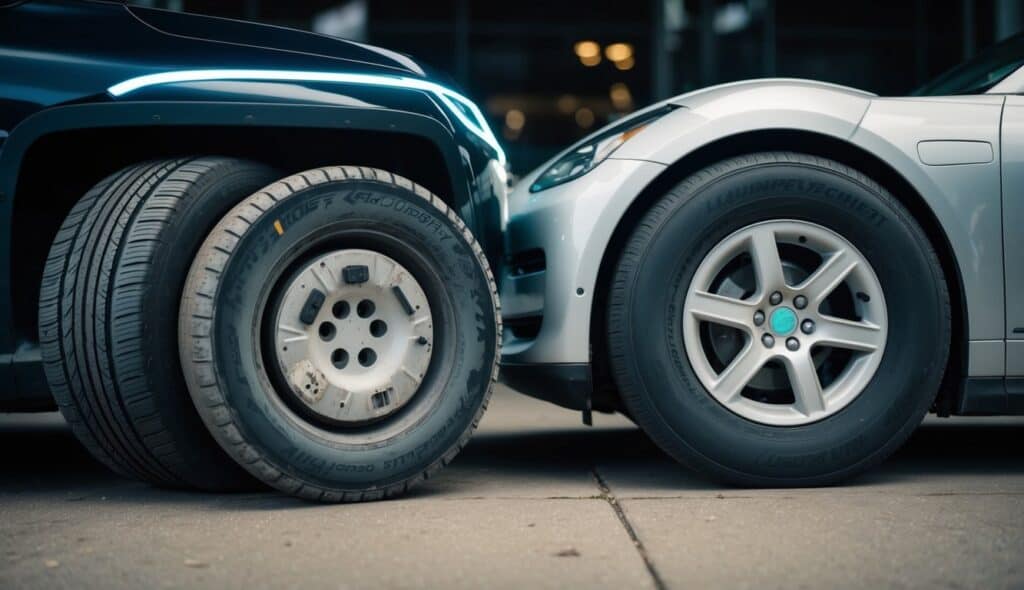
EV-specific tires are designed to handle the extra weight and instant torque of electric cars. Many use special compounds and tread patterns to reduce rolling resistance. This helps extend driving range.
Some new EV tires feature noise-reducing foam inserts. These make for a quieter ride, which is important in near-silent electric cars.
Tire makers are also working on “smart tires” with built-in sensors. These can track air pressure, temperature, and tread wear. The data helps drivers maintain their tires for optimal safety and efficiency.
Low rolling resistance tires are becoming standard on many EVs. They can boost range by 3-5% compared to regular tires.
The Horizon of EV Tire Development
Future EV tires may use airless designs. These never go flat and could last the life of the vehicle.
Some tire makers are testing sustainable materials like dandelion rubber and recycled plastic. These could reduce the environmental impact of tire production.
Ultra-high performance EV tires are in development for sports cars and racing. These focus on grip and handling at high speeds.
Tire companies are also exploring ways to make EV tires last longer. New compounds and tread designs could extend tire life despite the added wear from EV weight and torque.
Frequently Asked Questions
Electric vehicle tires have some unique characteristics compared to those on gas-powered cars. Let’s address some common questions about EV tire longevity, costs, and wear patterns.
What is the life expectancy of tires on electric vehicles?
EV tires typically last 15-20% less time than tires on gas cars. Most EV tires need replacement after about 30,000 to 40,000 miles. Factors like driving style and road conditions affect tire life. Regular rotations can help extend tire longevity on EVs.
Are tires for electric vehicles more expensive than for conventional vehicles?
EV tires often cost more than regular car tires. They’re made with special compounds and designs to handle the extra weight and torque of electric cars. The higher price is often offset by better performance and longer-lasting tread. Some brands offer EV-specific tire models with advanced features.
Does the increased torque of electric vehicles lead to faster tire wear?
Yes, the instant torque of EVs can cause faster tire wear. Electric motors deliver power instantly, which can put more stress on tires during acceleration. This extra force can lead to quicker tread wear, especially on the drive wheels. Using proper driving techniques can help reduce excessive tire wear.
How does tire wear in electric vehicles compare with that in gasoline-powered cars?
EV tires generally wear out 15-20% faster than those on gas cars. The added weight of EV batteries puts more pressure on the tires. Frequent and rapid acceleration in EVs can also speed up tire wear. Gas cars usually see more even tire wear across all four wheels.
What are the best tires for electric vehicles?
The best EV tires offer low rolling resistance to maximize range. They also need to handle the extra weight and torque of electric cars. Many tire makers now offer EV-specific models. These tires often feature stronger sidewalls and special tread patterns for better grip and longevity.
How do tire wear patterns differ between electric and gasoline-powered vehicles?
EV tires often show more wear on the drive wheels due to high torque. The front tires on front-wheel drive EVs may wear faster than the rear. Gas cars tend to have more even wear across all tires. EVs might see unusual wear patterns due to their unique weight distribution and power delivery.
Conclusion
Tire lifespan on electric vehicles varies based on several factors. EV tires typically last 25,000 to 50,000 miles. This range is slightly shorter than for gas cars due to EVs’ added weight and instant torque.
Proper tire maintenance can extend their life. Regular rotations, alignments, and pressure checks are key. Drivers should also avoid aggressive acceleration and braking.
Choosing the right tires matters. EV-specific tires are designed to handle unique challenges. They offer better efficiency, reduced noise, and appropriate load capacity.
Tire replacement frequency depends on driving habits and conditions. Some EV owners may need new tires every 2-3 years. Others might stretch it to 4-5 years with careful use.
Ultimately, EV tire longevity is improving. Manufacturers are developing more durable options. As technology advances, EV tires may soon match or exceed the lifespan of traditional car tires.

Hi, I’m Marybeth, an electric car enthusiast living in New York in the USA. As the owner of electriccartalks.com, I love sharing my knowledge on EV tips, battery maintenance, and charging solutions. As a proud Tesla owner, I blend my personal experiences with professional insights to offer valuable information to fellow EV enthusiasts. Through my articles, I aim to empower others to make informed decisions about their electric vehicles. Read more