
Electric vehicles are becoming essential to our lives, but knowing how to care for the battery can help us maximize their benefits.
The key to maintaining an electric car battery is to keep the charge level between 20% and 80%.
Avoiding full charges and complete depletions helps extend the life of the battery.
Also, minimizing exposure to extreme temperatures is crucial, as they can significantly impact battery performance and longevity.
Some EVs, like the ones from Tesla, offer long-term battery warranties, often covering up to eight years or 100,000 miles. This offers peace of mind, but we should still take proactive steps to protect our investment.
Charging routines play a big role here. Ensuring that we only charge to 100% when necessary, like for long trips, is a simple yet effective practice.
We offer easy maintenance routines to ensure our electric cars run smoothly.
By embracing these habits, we keep our EVs in good condition and contribute to a more sustainable future.
Properly maintaining our electric car batteries can reduce long-term costs and enhance the overall driving experience.
Understanding Electric Car Batteries
Electric car batteries are essential for powering vehicles, and understanding them can improve battery life and performance. We’ll look at different battery types and the role of battery chemistry in their efficiency.
Types of Electric Car Batteries
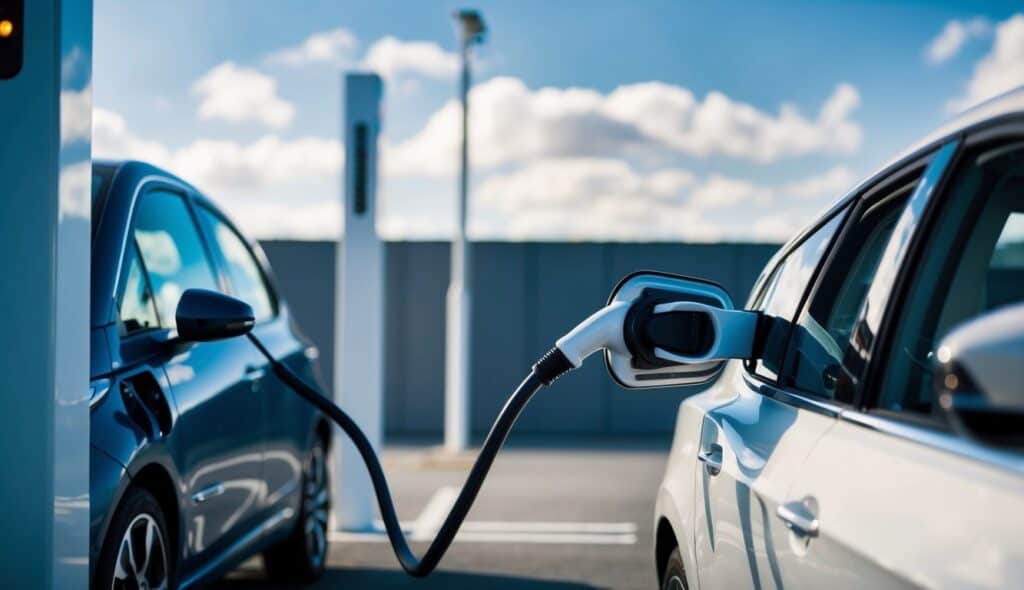
Electric cars mainly use lithium-ion batteries due to their high energy density and efficiency.
These batteries are prized for storing large amounts of energy in a compact space. Lithium-ion technology allows quick recharging, which suits the needs of many drivers.
Other battery variations exist but are less common in personal electric vehicles. Nickel-metal hydride and lead-acid are mostly found in hybrid cars.
The choice of battery greatly affects the car’s range and usability.
How Battery Chemistry Affects Performance
Battery chemistry plays a significant role in determining how well a battery performs.
Lithium-ion batteries, for example, offer a balance between performance and durability. They manage heat efficiently, which is crucial for maintaining battery health and extending battery life.
The chemistry directly influences battery capacity and energy delivery.
This affects aspects like charging speed and how much energy the car can use before recharging.
Understanding this helps us make informed decisions about maintenance and care, ensuring our electric vehicles perform optimally over time.
Check out Do Hotels Charge for Electric Car Charging?
Maximizing Battery Life and Health
To extend the lifespan of our electric car batteries, we need to pay careful attention to battery management systems, thermal management, and the role of regenerative braking. Each plays a critical part in maintaining battery health and ensuring long-term performance.
Battery Management Systems
Our electric vehicles rely heavily on battery management systems (BMS) to keep the battery in top shape.
BMS monitors the state of charge, voltage, and temperature of each battery cell. It helps prevent overcharging and deep discharging, both of which can harm battery longevity.
We must ensure our BMS is functioning properly and updated regularly.
It’s like having a dedicated guardian that maintains the delicate balance required for battery health.
A well-calibrated BMS can significantly extend battery life expectancy by optimizing the charging and discharging processes.
Thermal Management
Temperature greatly affects our electric car battery’s performance and lifespan.
Extreme temperatures, whether too high or too low, can decrease battery efficiency and potentially damage it. That’s where thermal management systems come into play.
These systems regulate the battery temperature, keeping it within optimal ranges.
They usually involve liquid or air cooling systems designed to dissipate heat during charging and discharging.
Maintaining a stable thermal environment can prevent the wear and tear associated with temperature extremes and maintain our battery’s health and longevity.
The Role of Regenerative Braking
Regenerative braking is another feature that can help us maximize battery lifespan.
When we slow down our vehicle, this system captures kinetic energy and converts it into electrical energy, which is then fed back into the battery.
This process helps in two main ways: it extends the driving range and reduces wear on traditional braking systems.
By capturing and reusing energy that would otherwise be lost, we can increase our vehicle’s efficiency and lessen the load on our batteries.
Through thoughtful use of regenerative braking, we contribute to the overall health of our electric car’s battery.
Check out Electric Car Battery Recycling Companies
Charging Your Electric Car Battery
Charging an electric vehicle (EV) involves balancing battery life and convenience. Proper charging practices can extend the battery’s lifespan, while fast charging methods might affect its efficiency. Optimizing charge cycles is essential to maintaining excellent battery health.
Charging Practices for Battery Longevity
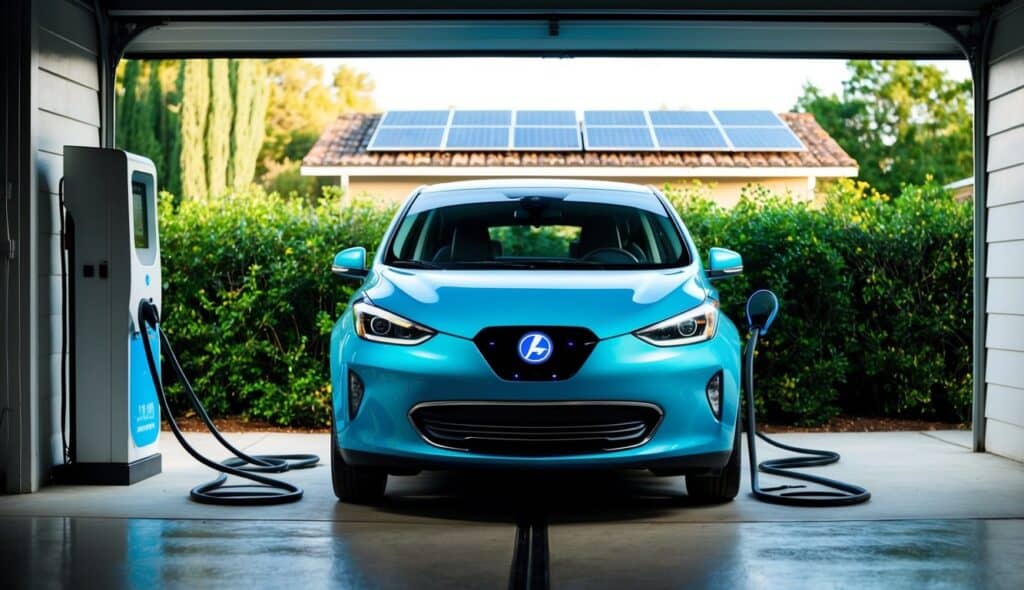
We should aim to keep our EV battery charge between 20% and 80% for the best longevity. Fully charging or depleting the battery can reduce its lifespan over time.
When not driving daily, it’s wise to ensure our battery is at least 80% charged every three months.
Limiting exposure to extreme temperatures by parking in shaded or climate-controlled areas also helps maintain battery health.
Understanding Fast Charging and Its Effects
Fast charging offers quick top-ups on the go, often found at public charging stations. This method can be convenient, adding a significant range in a short time.
However, using fast charging regularly can put stress on the battery, causing it to degrade faster.
We should reserve fast charging for emergencies or long trips and use slower charging methods for regular use.
Optimizing Charge Cycles and Charge Level
Optimizing charge cycles means choosing the right times and levels for charging our EV.
Plugging in to charge overnight with a Level 1 or Level 2 charger is a good practice for regular use. These methods provide a slower, more controlled charge.
Monitoring charge levels is crucial. Smart chargers or apps can help us schedule charges to optimize energy costs and keep charge levels within recommended limits.
Check out How to Charge Electric Cars in Hot Weather?
Driving and Operating Tips
When managing an electric car’s battery, our driving habits can greatly affect battery performance and lifespan. Features like Eco Mode can optimize energy use and maintain range, helping to extend the battery’s life.
Impact of Driving Behavior on Battery Life
Our driving behavior can significantly influence the longevity of an electric car battery.
Frequent rapid acceleration and high-speed driving increase energy consumption. This often leads to reduced driving range and can stress the battery.
Maintaining moderate speeds helps prolong battery life. Harsh braking should also be avoided as much as possible.
Many EVs have regenerative braking systems, which can recover energy and help charge the battery.
It’s a good idea to take advantage of this feature when decelerating.
Extreme temperatures also affect battery performance. Driving in very hot or cold conditions can strain the battery, decreasing its efficiency.
To minimize exposure to extreme temperatures, we should try to park our cars in shaded or climate-controlled areas when possible.
Eco Mode and Energy Efficiency
Eco Mode is an essential feature available in many electric vehicles. When activated, it adjusts the car’s performance to maximize energy efficiency.
Eco Mode extends the driving range by moderating power output. This is especially useful on long trips or when charging facilities are scarce.
This feature can reduce power to the electric motor, limit acceleration, and optimize heating and cooling systems.
While the ride may be less dynamic, the increased efficiency helps conserve the battery’s charge.
Using Eco Mode consistently can also help minimize battery wear over time. It allows us to drive smartly, balancing our driving needs with the battery’s well-being.
Read Charge an Electric Car at Home Without a Garage
Maintaining Your Electric Vehicle Battery
Electric vehicle (EV) batteries can last longer if we take good care of them. Focusing on preventing battery degradation and knowing the terms of our battery warranty can help us make informed choices.
Preventing Battery Degradation
Battery health is crucial for maximizing the lifespan of our EVs.
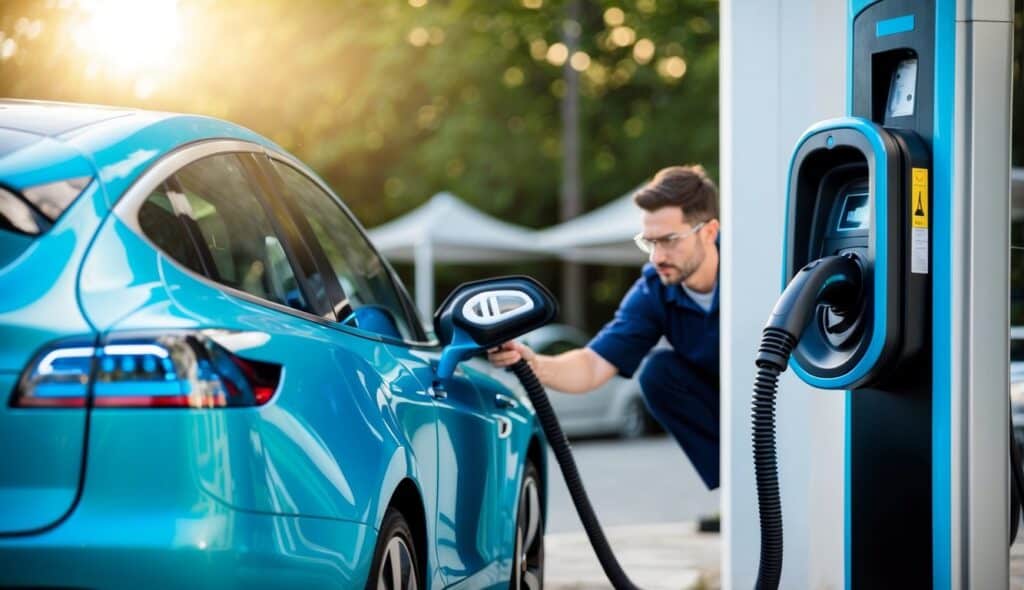
Keeping the charge level between 20% to 80% is a key practice. This range minimizes stress on the battery cells.
Avoiding extreme temperatures is also important.
We should park in shaded areas or garages. Charging the battery at milder times of day helps maintain its health during hot or cold weather.
High-speed driving can drain the battery faster. It’s wise to drive at moderate speeds.
We can also use timed charging to take advantage of off-peak hours, which typically offer stable conditions for the battery.
Understanding Your Battery Warranty
Most manufacturers provide an eight-year or 100,000-mile warranty on EV batteries. Tesla and other automakers often have similar terms. This gives us peace of mind, knowing our battery is covered for a good portion of its life.
It’s useful to know the specifics of what’s covered.
Some warranties may only address manufacturing defects, not wear and tear.
We should review the conditions and limits of our battery warranty. This will help us understand the services and support we can expect, ensuring we get the most from our EV investment.
Check out How Often Do You Have to Charge an Electric Car?
Frequently Asked Questions
What are the recommended practices for charging an electric vehicle (EV) battery?
We should aim to keep our EV battery charge between 20% and 80%. These levels help optimize the battery’s health by reducing stress on its cells. Full charges are best reserved for long trips.
How can I maximize the lifespan of my electric car battery?
Regularly maintaining moderate charge levels and minimizing exposure to extreme temperatures are key. Parking in the shade or a garage and allowing the battery to cool before charging also help.
Is it advisable to charge my electric vehicle to 100% regularly?
Charging to 100% regularly can reduce battery life. It is recommended only for long trips when we need the maximum range. Staying below this limit is better for daily use.
What guidelines should I follow to maintain my EV battery health while driving?
We should avoid rapid accelerations and maintain steady speeds whenever possible. This reduces strain on the battery. Using features like regenerative braking can also help enhance efficiency.
Can regularly charging my EV battery to 80% help extend its life?
Yes, keeping regular charges to about 80% can indeed extend battery life. It reduces wear and tear on the battery cells, preserving their capacity over time.
How often should I charge my electric vehicle to maintain optimal battery performance?
Frequent small charges are generally better than letting the battery deplete significantly. We should aim to top up the battery as needed, keeping it within the optimal charge range.
Conclusion
In taking care of our electric car batteries, we’ve learned that maintaining charge levels between 20% and 80% can greatly extend battery life. This not only protects the battery but also enhances the overall performance of our vehicle.
Charging during off-peak hours and in milder temperatures can also make a big difference. It ensures that our batteries charge more efficiently, reducing wear and tear over time.
Regular maintenance checks are crucial. They help identify potential issues early and optimize battery health for the long run.
Let’s remember that moderate driving speeds contribute positively to battery longevity. By avoiding high speeds, we consume less power and preserve battery condition.
Lastly, it is important to understand our vehicle’s battery warranty. Many automakers, like Tesla, offer warranties that give us added security and peace of mind about our car’s performance.
You may also like:
- Can a Portable Generator Charge an Electric Car?
- Is it Cheaper to Charge an Electric Car on 110 or 220?
- Electric Car Battery Life in Hot Climates

Hi, I’m Marybeth, an electric car enthusiast living in New York in the USA. As the owner of electriccartalks.com, I love sharing my knowledge on EV tips, battery maintenance, and charging solutions. As a proud Tesla owner, I blend my personal experiences with professional insights to offer valuable information to fellow EV enthusiasts. Through my articles, I aim to empower others to make informed decisions about their electric vehicles. Read more