
Renting a Tesla can be an exciting experience, especially for those new to electric vehicles. Charging a rental Tesla might seem complex at first, but it’s quite straightforward once you know the basics. You can charge a Tesla at home using a standard electrical outlet or a dedicated wall connector for faster charging. Some rental companies even provide Tesla wall connectors for renters who have access to a garage or dedicated parking space.
When on the go, renting a Tesla becomes even more convenient with access to Tesla’s vast Supercharger network. Superchargers can be found at various locations like rest stops and shopping centers. Simply plug in the connector, and your Tesla will begin charging immediately. The cost of charging will be directly billed to the card you used to book the rental.
While traveling, it’s worth noting that not all hotels provide chargers for electric vehicles. Planning your stops at hotels that offer Tesla Destination chargers can ensure a smooth trip. Many Tesla rental providers, like Hertz, offer detailed instructions on using these chargers, making your journey as hassle-free as possible.
Understanding Tesla Charging Basics
Charging a rental Tesla involves knowing your charging options, the essentials of EV charging, and specific tips that come in handy when renting a Tesla. Here are the key points to keep in mind to make your charging experience smooth and efficient.
The Essentials of EV Charging
Electric vehicles (EVs) need to be charged by connecting them to a power source. For a Tesla, the charging cable and appropriate adapters are crucial. EVs have different charging speeds, depending on the power source and type of charger used.
Charging time can vary widely. For instance, using a standard household outlet might take all night, while a high-speed supercharger can juice up the battery much faster. Always check the power ratings and compatibility of chargers to ensure efficient charging.
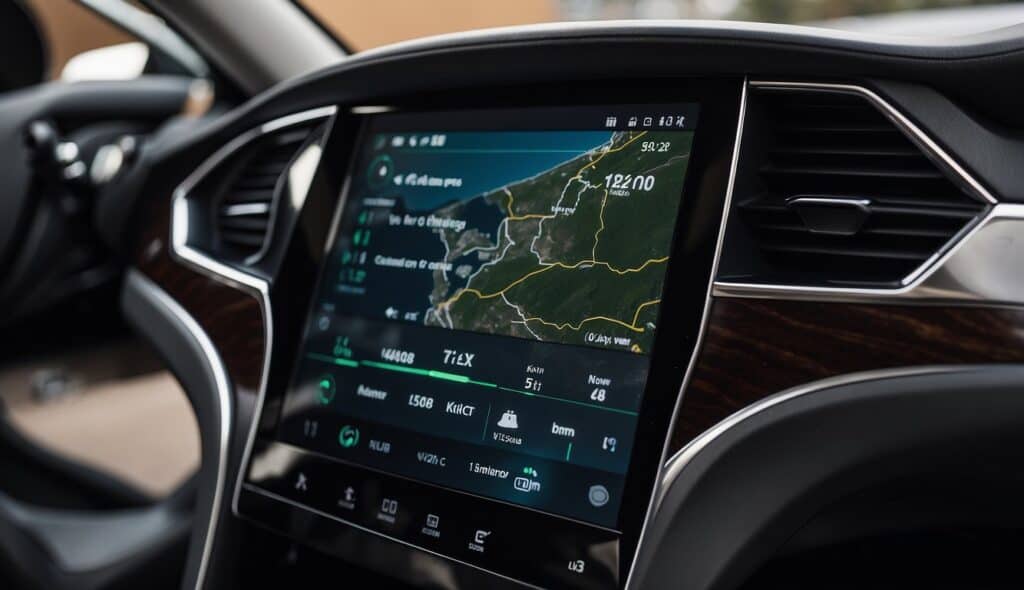
Tesla Charging Options Overview
Tesla offers various charging options to suit different needs. The most known are Tesla Superchargers, which are high-speed chargers found at numerous locations. These can significantly reduce charging times, making them ideal for long trips.
There are also destination chargers, typically located at hotels, restaurants, and shopping centers, which provide slower but convenient charging while you go about your activities. Additionally, Tesla vehicles come with a Mobile Connector, which allows you to charge from a standard electrical socket, though this is the slowest method.
Renting a Tesla: What to Know Beforehand
Before renting a Tesla, make sure you understand the charging infrastructure. Not all places, such as some hotels or remote areas, may have chargers readily available, so planning is essential. Use the Tesla navigation system or popular apps to find nearby charging stations.
Additionally, be aware of charging etiquette at public stations. Move your vehicle once it’s fully charged to free up the space for others. Understanding these basics ensures a hassle-free and enjoyable experience with your rental Tesla.
By keeping these points in mind, you can enjoy the benefits of driving a Tesla without worrying about charging complications.
Check How Much Electricity Does a Tesla Electric Car Use?
Finding Charging Stations
Charging a rental Tesla while on the road involves knowing where to find convenient and efficient charging stations. Different tools and networks can assist in locating these spots, whether through the Tesla navigation system, their Supercharger network, or alternative apps and stations.
Using the Tesla Navigation System
Tesla’s navigation system makes it easy to locate charging stations. By selecting ‘Charging’ on the touchscreen menu, drivers can see nearby charging options along their route. This system also provides real-time updates on the availability of charging stations, ensuring that you don’t waste time heading to a full or out-of-order station.
The system is built to help drivers plan their charging stops effectively, especially for long journeys. It maps out the best locations to charge, including nearby hotels that provide chargers, enabling a seamless travel experience.
Tesla Supercharger Network
Tesla’s Supercharger network offers high-speed charging stations strategically located for long-distance travel. These stations can add up to 200 miles of range in about 15 minutes, making them critical components for Tesla drivers on extended trips.
Supercharger stations are usually positioned along major highways and near significant amenities such as hotels, shopping centers, and restaurants. This placement not only ensures a quick recharge but also offers convenience for taking breaks during the journey.
Alternative Charging Stations and Apps
In addition to Tesla’s own network, other options like public charging stations and mobile apps also provide solutions. Apps such as PlugShare, ChargePoint, and EVgo help locate non-Tesla charging stations. These resources are useful for those who might not always be within reach of a Supercharger.
When staying at hotels or other accommodations, it’s important to check ahead if they offer destination charging, as not all places have this service. Apps and websites often provide reviews and real-time availability data, allowing drivers to plan their routes and stops effectively.
By using a combination of these tools and resources, finding charging stations becomes a straightforward task, ensuring a smooth and worry-free driving experience in a rental Tesla.
Charging at Your Destination
Charging a rental Tesla at your destination can be easy and convenient. Proper planning and knowledge are key, whether you’re staying at a hotel with destination chargers or relying on public charging options.
Destination Chargers at Hotels
Many hotels now offer destination chargers specifically for electric vehicles (EVs). These chargers are usually located in the hotel’s parking area, allowing guests to charge their Tesla overnight. It’s a good idea to check if your chosen hotel provides charging facilities before you book. This can save time and ensure your vehicle is ready for your next journey.
Hotels with destination chargers often advertise this amenity on their websites. It’s also possible to use online resources to find hotels with EV charging, such as the Tesla Destination Charging network. Always confirm the availability of chargers in advance, as some locations may have limited stations or might be in high demand.
When using a destination charger, plug in your vehicle and relax while it charges. Moving your Tesla when charging is complete is important to allow other guests to use the charger. This etiquette helps ensure everyone has access to charging when they need it.
Utilizing Public Charging Options
Public charging stations, scattered throughout urban and rural areas, provide another reliable way to charge your Tesla. Apps or the Tesla navigation system can help you locate nearby charging stations along your route. Public chargers are useful, especially when hotels lack destination chargers or you need a quick top-up during the day.
Public charging stations include options like Level 2 chargers and Tesla’s own Superchargers. Superchargers provide faster charging times, allowing you to continue your trip with minimal delay. Keep in mind that using Superchargers may incur costs, so it’s best to manage your payment method through the Tesla app.
Remember to plan your charging stops ahead of time when using public charging. This ensures you can find a station when needed, especially during long journeys. Etiquette at public stations is also important; always move your Tesla once it’s fully charged to allow others access to the chargers.
Check How Much Does It Cost for a Tesla Charging Station at Home?
Charging On the Go
Charging efficiency and planning are crucial when you’re on the road with a rental Tesla. Understanding the different charging options and effectively planning stops can make long-distance travel much more convenient and stress-free.
Supercharging for Long-Distance Travel
Supercharging is key for long-distance travel with a Tesla. Tesla Supercharger stations are widely distributed, offering rapid charging that can significantly reduce the time spent waiting.
These stations are designed to provide a fast and convenient charging experience, often charging a Tesla to 80% in about 30 minutes. You can locate these stations easily using the Tesla navigation system or mobile apps, ensuring that you’re never far from a rapid charging option.
For those on a tight schedule, Superchargers are invaluable as they maintain high charging speeds, allowing more time on the road rather than waiting at a charging station.
Planning Charging Stops During Road Trips
Effective planning is essential for Tesla owners embarking on a road trip. Before setting off, map out your route and identify potential charging stops.
Use the Tesla navigation system to recommend charging locations based on your destination and current battery level. This will optimize your travel time and reduce range anxiety.
It’s also helpful to plan stops at Supercharger stations since they offer the fastest charging. If taking longer breaks, explore nearby amenities such as rest areas, restaurants, or attractions to make the most of your stops.
Remember, convenient charging can make a long journey more enjoyable and stress-free.
Rapid Charging vs. Standard Options
Rapid charging is beneficial for quick stops, but it’s important to understand when to use it versus standard options. While Tesla Superchargers offer the fastest speeds, other charging stations might only provide standard options with slower speeds.
Rapid charging is ideal for long-distance travel when you need to get back on the road quickly. Standard chargers, on the other hand, can be adequate for overnight stops or longer breaks, providing a slower but steady recharge.
If your hotel or accommodation has Tesla chargers, make use of these for convenient overnight charging. This ensures your vehicle is ready for the next day without frequent stops.
Understanding both types of chargers can help manage your trip efficiently, balancing speed and convenience.
Check out Can Any Electric Vehicle Use a Tesla Charging Station?
Tips for Efficient Charging
To charge a rental Tesla efficiently, focus on speeding up the charging process and maintaining the vehicle’s battery health for better range.
Maximizing Charging Speed
Use Tesla Superchargers whenever possible. These chargers provide the fastest charging speeds, often delivering over 150 kW. This can add up to 200 miles of range in about 15 minutes.
Arrive at chargers with a low battery. Tesla batteries charge faster when they are below 20%.
Avoid charging to 100% unless necessary. Charging slows down significantly once the battery level exceeds 80%. By default, aim for an 80% charge for daily use.
Use the Tesla app or in-car navigation to find and monitor charging stations. This helps you plan your stops and ensures you don’t wait longer than necessary.
Optimizing Range and Battery Health
Keep your speed steady. High speeds can reduce the range significantly. Use cruise control or “Autopilot” features to maintain a consistent speed.
Precondition the battery. Use the Tesla app to pre-warm or cool the battery before driving, especially in extreme weather. This makes the charging process quicker and more efficient.
Charge at lower power levels for regular top-ups. Using a Level 2 charger at home or at the hotel is less stressful for the battery compared to supercharging all the time.
Avoid letting the battery sit at a very low or very high state of charge for extended periods. Aim to keep the charge level between 20% and 80% for the best battery health.
By following these steps, you can ensure your Tesla rental remains efficient and reliable.
Managing Charging Costs
Charging a rental Tesla can vary in costs based on location and charging method. Understanding these costs and finding ways to save can help manage the expenses effectively.
Understanding Supercharger Pricing
Tesla Superchargers are a convenient way to charge a rental Tesla, especially for long trips. The cost of using a Tesla Supercharger varies by location and can be seen on the vehicle’s touchscreen. Typically, you’re charged per kilowatt-hour (kWh) or by the minute, depending on the location.
Costs can change based on peak and off-peak times. Peak times are more expensive, so charging during off-peak hours can save money. Additionally, taxes and fees will be added and shown at the end of the charging session.
Some payment methods, such as certain credit cards, may offer cashback or rewards for charging, which can help offset costs. Always check the charging rates before starting a session on the Supercharger network.
Saving on Charging Expenses
To save on charging expenses, planning is key. Use Tesla’s navigation system or mobile apps like PlugShare to locate free or cheaper charging stations. Many hotels, restaurants, and shopping centers offer free charging stations, which can significantly reduce costs.
Another option is to take advantage of overnight charging at your lodging. Many hotels provide free or discounted charging for guests. Always confirm the availability and any associated costs with the hotel beforehand.
Consider slower Level 2 chargers for overnight charging, as they are often cheaper than Superchargers. While they take longer to charge the vehicle, they can be more cost-efficient for those not in a rush. By planning charging stops and using cost-effective charging options, it’s possible to manage charging expenses efficiently.
Check out Where Can I Charge My Electric Car for Free?
Rental Services and Policies for Teslas
When renting a Tesla, it is essential to choose the right rental service and understand the rental agreement details. These factors can significantly impact your overall experience.
Selecting a Tesla Rental Service
When selecting a rental service for a Tesla, consider well-known companies like Hertz and Turo. Hertz offers Tesla rentals in many locations, providing widespread availability and support. Turo, a peer-to-peer car rental service, can also be a good option, especially in cities with limited traditional rentals.
Check if the rental service provides access to features like Tesla Supercharging. This will make charging more convenient. Look for reviews from previous renters to gauge the reliability and quality of the service. Some companies also offer additional perks like insurance coverage and roadside assistance, which can be very beneficial.
Rental Agreement Considerations
Before finalizing your rental, review the rental agreement closely. Some key points to watch out for include mileage limits, insurance coverage, and any associated fees. It’s common for rental agreements to include clauses about charging policies, so ensure you understand these terms.
Mileage limits can vary widely between providers. Exceeding the limit can result in additional charges, so plan your trips accordingly. Insurance coverage is another critical aspect – check if the rental fee includes insurance or if you need to purchase it separately.
Keep an eye out for any extra fees, such as those for late returns or additional drivers. Understanding these terms will help avoid unexpected costs and ensure a smooth rental experience.
Troubleshooting Common Charging Issues
When charging a rental Tesla, certain problems can arise. Key issues often include interruptions during charging and difficulties with the charging port or adapters.
Dealing with Charging Interruptions
Charging interruptions can be frustrating. If the charging session is interrupted, check the car’s display for any error messages. Often, these messages will indicate the cause, such as “Charging Station Error” or “Charging Stopped Unexpectedly.”
First, try reconnecting the charging cable to see if it resolves the issue.
If that doesn’t work, check the charging status on the Tesla app. Sometimes, resetting the charger by pressing the “emergency stop” button can help.
Ensure the charging port is clean and free from any debris, as dirt can prevent a proper connection.
Finally, if none of these steps work, contact the charging station provider for assistance. They can often diagnose and fix problems remotely.
Addressing Adapter and Charging Port Problems
Issues with the charging port or adapters can also interrupt the charging process. First, ensure the adapter is compatible with the charging station. Tesla uses specific adapters for different types of chargers, so using the wrong one can cause issues.
Check the charging port for any visible damage or debris. A dirty or damaged port can prevent the car from charging properly. Cleaning it gently can sometimes resolve the problem.
If the adapter is faulty, try using a different one. Always carry a spare adapter to avoid being stranded.
Consider purchasing a reliable adapter that matches the travel or charging needs for a more permanent fix.
If issues persist, visiting a Tesla service center for further inspection and potential repairs may be necessary.
Tesla Technology and Safety Features
Like the Tesla Model 3, Tesla vehicles come equipped with cutting-edge technology and safety features. Key highlights include advanced Autopilot functions and regenerative braking for improved efficiency.
Autopilot and Safety Systems
Tesla’s Autopilot uses multiple cameras, ultrasonic sensors, and radar to provide 360-degree visibility and detect nearby vehicles. These sensors enable features such as automatic lane-keeping and adaptive cruise control.
Emergency braking is another vital feature. It helps prevent collisions by automatically applying the brakes when an obstacle is detected. The Tesla Model 3, for example, is designed to avoid or lessen the impact of a crash.
Other safety systems include side collision warnings and automatic lane change capabilities. These help ensure the driver stays aware of their surroundings and can navigate safely on highways and city streets.
Regenerative Braking and Efficiency
Regenerative braking is a key feature in Tesla electric vehicles. When the driver lifts their foot off the pedal, the car uses the electric motor to slow down, converting kinetic energy back into stored electricity.
This system improves energy efficiency by extending the vehicle’s range. In city driving conditions, regenerative braking reduces wear on traditional brake components, making maintenance less frequent.
Tesla Model 3 and other models benefit from this technology, making them more efficient and convenient for users. Efficient energy use is vital for sustainable driving, and Tesla’s regenerative braking system significantly contributes to this goal.
Advantages of Renting an Electric Tesla Over Gas-Powered Vehicles
Cost Savings
Electric vehicles, like Teslas, can save money on fuel since electricity is often cheaper than gasoline. Charging a Tesla can be significantly less expensive than filling up a gas-powered vehicle’s tank.
Environmental Impact
Electric vehicles produce zero emissions while driving, reducing pollution and helping protect the environment. Gas-powered vehicles, on the other hand, emit carbon dioxide and other pollutants.
Performance
Teslas offer quick acceleration and smooth handling. Electric motors provide instant torque, making Teslas feel powerful and responsive. Many find this a more enjoyable driving experience than traditional gas-powered vehicles.
Access to Modern Technology
Teslas are equipped with advanced technology features, including autopilot capabilities, over-the-air software updates, and large touchscreen displays. Gas-powered vehicles often lack these cutting-edge tech features.
Convenience of Home Charging
Electric vehicle owners can charge their Teslas at home overnight. This convenience is not possible with gas-powered vehicles, which require trips to the gas station. Renting a Tesla can provide a glimpse into this lifestyle.
Quiet Operation
Electric vehicles, including Teslas, operate much more quietly than gas-powered vehicles due to the absence of an internal combustion engine. This can make for a more peaceful driving experience.
Access to HOV Lanes
In some regions, even with only one occupant, electric vehicles are allowed in high-occupancy vehicle (HOV) lanes. This can save time during commutes and is not typically available to gas-powered vehicle drivers.
Considering these factors, renting an electric Tesla has clear benefits over a traditional gas-powered vehicle.
Conclusion
Charging a rental Tesla can be simple and efficient if the right steps are followed. Multiple charging options are available, including home charging, Superchargers, and Tesla Destination chargers.
Home Charging:
A standard electrical outlet can be used if a garage or dedicated parking space is available. For faster charging, a Tesla wall connector can be installed.
Superchargers:
Superchargers are widely available and offer fast charging speeds. However, charging prices can fluctuate, and expenses may be billed to the credit card used for booking.
Tesla Destination Chargers:
These chargers are found at many hotels and parking lots. They charge slower than Superchargers, but they are convenient when stopping overnight.
Practical Tips:
- Always carry a second charging cable, especially if planning to charge at different locations.
- Verify if the hotel or accommodation has chargers available before renting.
When renting through services like Hertz, Supercharging may sometimes be free, providing added convenience.

Hi, I’m Marybeth, an electric car enthusiast living in New York in the USA. As the owner of electriccartalks.com, I love sharing my knowledge on EV tips, battery maintenance, and charging solutions. As a proud Tesla owner, I blend my personal experiences with professional insights to offer valuable information to fellow EV enthusiasts. Through my articles, I aim to empower others to make informed decisions about their electric vehicles. Read more