
Tesla cars often have hefty price tags, and there are several reasons for this. One major factor is the cost of batteries, which are the most expensive components in an electric vehicle.
Tesla has been working to reduce these costs, but as of now, they still represent a significant portion of the overall price.
Another contributing factor is the advanced technology that Tesla incorporates into its cars. Features like Autopilot, large touchscreens, and over-the-air updates require substantial investment in research and development.
These innovative aspects set Tesla apart but also add to the cost of production.
Additionally, Tesla models are known for having a high initial purchase price, which reflects the brand’s focus on performance and luxury. For example, the Model 3’s price has seen fluctuations but remains at the higher end compared to traditional cars.
Moreover, repairs and maintenance for Teslas are also costly, impacting overall ownership expenses. Tesla continues to work on reducing costs, but premium prices remain a hallmark of the brand.
Overview of Tesla Cars
Tesla, founded by Elon Musk, has established itself as a leader in the electric vehicle market. The company’s history, its current models, and its role in the electric vehicle movement define its prestige and impact.
History and Brand Prestige
Tesla was founded in 2003 to create electric vehicles (EVs) that could compete with traditional gasoline-powered cars. Elon Musk, who joined Tesla in 2004, played a critical role in shaping the company’s vision.
Tesla gained significant attention with the launch of its Roadster in 2008. By focusing on high performance, the Roadster showed that EVs could be exciting to drive.
Tesla continued to build its brand prestige with the introductions of the Model S in 2012, the Model X in 2015, the Model 3 in 2017, and the Model Y in 2020.
The company has built a reputation for luxury, cutting-edge technology, and innovation. Today, Tesla is known not just for its cars but also for its contributions to sustainable energy solutions.
Current Tesla Models
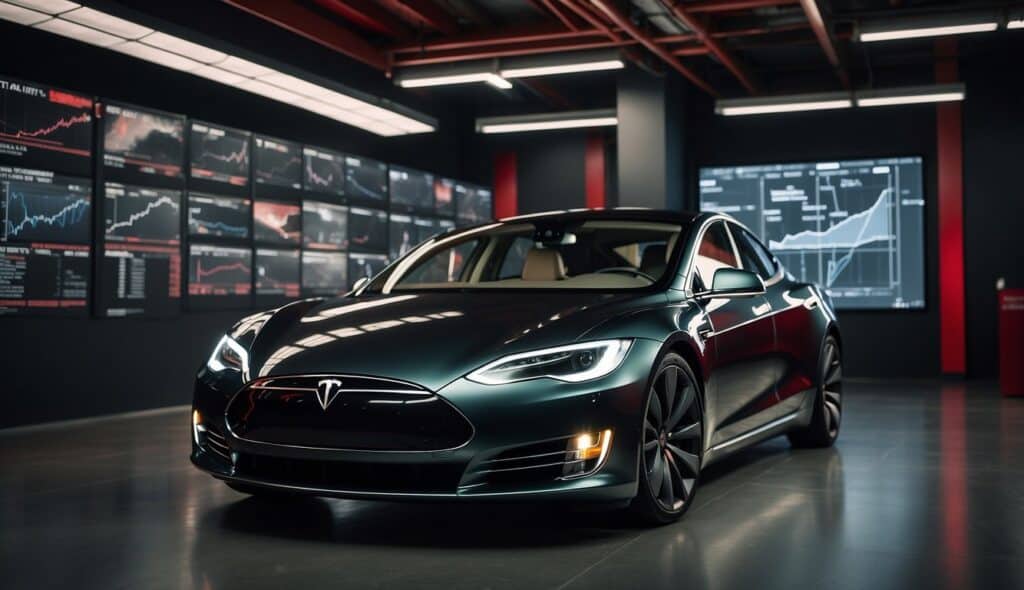
Tesla offers a range of models, each targeting different market segments. The Model S is a luxury sedan known for its long range and high performance. The Model X SUV features distinctive falcon-wing doors and seating for up to seven.
The Model 3 is the company’s most affordable option for the mass market. Despite its lower price, it maintains impressive performance and range.
The Model Y is a compact SUV that offers affordability and utility, making it a popular choice among families.
Tesla’s models are equipped with advanced features like Autopilot, a suite of driver-assistance systems, and constant over-the-air software updates. These models reflect Tesla’s commitment to advancing technology and making EVs accessible to a broader audience.
Role in Electric Vehicle Movement
Tesla has played a pivotal role in the global shift towards electric vehicles. The company’s innovative approach and high-performance vehicles have changed consumer perceptions about EVs.
Tesla’s success has encouraged other automakers to invest more in electric vehicle technology.
By building a widespread network of Superchargers, Tesla made long-distance travel in an EV more practical. The company has also invested heavily in battery research and development, resulting in more efficient and cost-effective solutions.
Furthermore, Tesla’s focus on sustainability extends beyond cars. The company produces solar products and energy storage solutions, aiming to create a comprehensive ecosystem for clean energy.
Check out Why Is Tesla Registration So Expensive?
Cost Analysis of Tesla Vehicles
Tesla vehicles are known for their high price tags, which can be attributed to several key factors. These include the cost of advanced battery technology, the complexities of their manufacturing processes, significant research and development expenses, and the raw materials and supply chain logistics involved.
Battery Technology and Costs
Batteries are the most expensive component of a Tesla vehicle. The company aims to reduce battery costs per kilowatt-hour to make their cars more affordable.
Tesla uses advanced lithium-ion battery packs that offer longer life and better performance. However, this technology comes at a high price.
For instance, the battery packs in Tesla cars use proprietary technologies that are costly to develop and produce. The battery costs are continually being reduced, but they remain a significant expense.
Additionally, the firm’s Gigafactories, which focus on mass battery production, require significant investment and operational costs.
Manufacturing and Production Processes
Tesla’s manufacturing process involves state-of-the-art factories, like the Gigafactory, designed for efficient electric vehicle production.
These facilities include advanced automation and robotics for assembling cars, which increase initial setup costs but improve production quality and efficiency.
Investments in technology and machinery drive up the cost of manufacturing. Stringent quality control measures implemented during the production process ensure that each vehicle meets high standards.
This focus on precision and quality contributes to the expensive nature of Tesla vehicles.
Research & Development Expenses
Tesla invests heavily in research and development to maintain its competitive edge. This involves developing new battery technologies, autonomous driving software, and other proprietary technologies that enhance vehicle performance and safety.
These research and development efforts require substantial funding, contributing to the overall cost of the vehicles.
Raw Materials and Supply Chain
The raw materials required for Tesla vehicles, such as lithium, cobalt, and nickel, are expensive. Securing a steady supply of these materials is crucial for production, but market volatility can impact prices significantly.
Tesla’s supply chain is complex and global, involving logistics for shipping components and raw materials to various factories.
Supply chain management involves high costs to ensure timely delivery and quality of materials. The logistics of the supply chain and costs related to raw materials further add to the overall expense of producing Tesla cars.
Check out How to Clean Tesla White Seats
Technological Innovations & Performance
Tesla cars are packed with cutting-edge technology, such as self-driving capabilities, battery efficiency, and advanced safety features. These innovations contribute to the high cost but also considerably enhance the driving experience.
Self-Driving and Autopilot Features
Tesla’s Autopilot system is one of its most notable technological advances. It uses a network of sensors, cameras, and radar to enable the car to drive itself on highways and in certain conditions.
Self-driving capabilities include lane-keeping, adaptive cruise control, and even automated lane changes.
Although it’s still in beta testing, Tesla’s Full Self-Driving (FSD) option aims to handle a wider range of scenarios. This advanced autonomous driving technology relies heavily on over-the-air software updates to continually improve performance.
Battery Performance and Range
The battery is a critical element in Tesla’s performance. Tesla’s batteries are designed to offer high energy efficiency and substantial range.
Current Tesla model features range from 250 to over 370 miles per charge, depending on the model. The batteries, measured in kilowatt-hours (kWh), have seen significant cost reductions over the years, dropping from $230 to $127 per kWh.
This improvement makes Tesla cars more affordable and enhances their performance. Tesla’s proprietary battery management system supports the batteries’ ability to store and utilize electricity effectively.
Safety Features
Tesla places a great emphasis on safety. Its vehicles come equipped with a range of advanced safety features.
These include Sentry Mode, which acts as an advanced surveillance system when the car is parked. Other safety elements include collision avoidance systems, emergency braking, and multiple airbags.
Tesla’s continuous software updates ensure that safety features are always up to date, enhancing both the physical structure of the car and its digital safety protocols.
Integrating these safety technologies contributes significantly to why Tesla cars are considered among the safest on the road.
Check out What is Tesla Bioweapon Defense Mode?
Market Dynamics of Electric Cars
Electric cars are gaining popularity, driven by technological advances and environmental concerns. Understanding the market dynamics involves looking at demand, supply, pricing strategies, industry competition, economic factors and incentives.
Demand, Supply, and Pricing Strategy
Demand for electric vehicles (EVs) like Tesla cars is rising due to increased environmental awareness and rising fuel costs. This demand shift puts pressure on the supply chain.
EVs require unique components like batteries, which can be expensive.
Tesla employs a pricing strategy that reflects both production costs and the brand’s innovative reputation. Even for its base models, its price tag remains higher than the industry average. Tesla’s fixed-price approach also helps maintain a perception of value.
Comparison to Industry Competition
Tesla faces increasing competition from established automakers like Ford, Toyota, BMW, and General Motors. These companies are launching their own EVs to capture a share of the growing market.
Ford, for example, has introduced the Mustang Mach-E, while BMW offers the i3.
This competition impacts Tesla’s market share and pricing strategy. Despite being a pioneer, Tesla must continually innovate to stay ahead.
The presence of luxury brands like Mercedes-Benz also means that Tesla must cater to high-end market segments to differentiate itself.
Economic Factors and Incentives
Economic factors, including tax credits and incentives, play a crucial role in the market dynamics of electric cars.
In the United States, federal tax credits can significantly reduce the overall cost of EVs, making them more affordable.
Tax credits can vary, but some Tesla models might no longer be available due to limits on the number of vehicles sold.
Other broader economic trends, like oil price fluctuations and government regulations, also influence electric car pricing and demand.
Check: Can you charge other electric cars at a tesla station?
Environmental Impact and Policies
Tesla vehicles significantly reduce carbon emissions and promote the use of sustainable energy sources. They are part of a broader movement toward greener energy infrastructures.
Reducing Carbon Footprint
Tesla Inc. focuses on reducing carbon emissions by designing electric vehicles (EVs) with high efficiency and low environmental impact. These EVs play a crucial role in lowering overall carbon dioxide emissions globally.
Each vehicle’s electric motor produces zero tailpipe emissions, starkly contrasting with gasoline-powered engines reliant on fossil fuels.
The company also emphasizes transparency in its supply chain, working to minimize carbon emissions from manufacturing processes. This ensures that, from production to disposal, these vehicles leave a smaller carbon footprint than traditional cars.
Fuel and Energy Sources
Electricity powering Tesla cars often comes from renewable sources, significantly reducing reliance on fossil fuels.
Tesla’s fully integrated ecosystem includes solar panels and energy storage systems to maximize the use of green energy. This holistic approach powers vehicles more sustainably and supports broader energy needs in homes and businesses.
North America’s push for green energy has encouraged a shift from gasoline to electric energy. As part of the green energy movement, Tesla’s insistence on clean energy sources supports the reduction of greenhouse gases and contributes to a cleaner environment.
Infrastructure and Charging Network
Tesla’s extensive charging network, including Superchargers, ensures EV owners can access convenient and fast charging options.
In North America, these networks are rapidly expanding to cover both urban and rural areas, making electric driving more practical and lessening the dependence on gasoline.
Charging stations are strategically placed to optimize travel and minimize downtime, enhancing Tesla vehicles’ overall efficiency. Furthermore, the energy used at these stations is increasingly sourced from renewable energy, further promoting the shift from fossil fuels to cleaner alternatives.
Ownership Experience
When considering a Tesla, it’s important to look into maintenance costs, availability, and the quality of customer service and showrooms. Each of these factors significantly impacts the ownership experience.
Cost of Ownership and Maintenance
Tesla vehicles have been known for their low maintenance costs. The first five years of ownership average around $580, while years six through ten sum up to $3,455.
Despite the car’s initial expense, savings on fuel and other traditional maintenance items, like oil changes, help offset the cost over time. Tesla’s battery packs are designed to be long-lasting, reducing the need for replacements and keeping the car running efficiently.
Availability and Waiting List
Due to high demand and limited supply, prospective Tesla owners often face a waiting list. The Tesla Model Y and other models frequently require customers to wait several months before their vehicle is delivered.
This waiting period can be a significant consideration for those who need a car immediately. The company has been working on ramping up production, but limited supply continues to be a factor affecting availability.
Customer Service and Showrooms
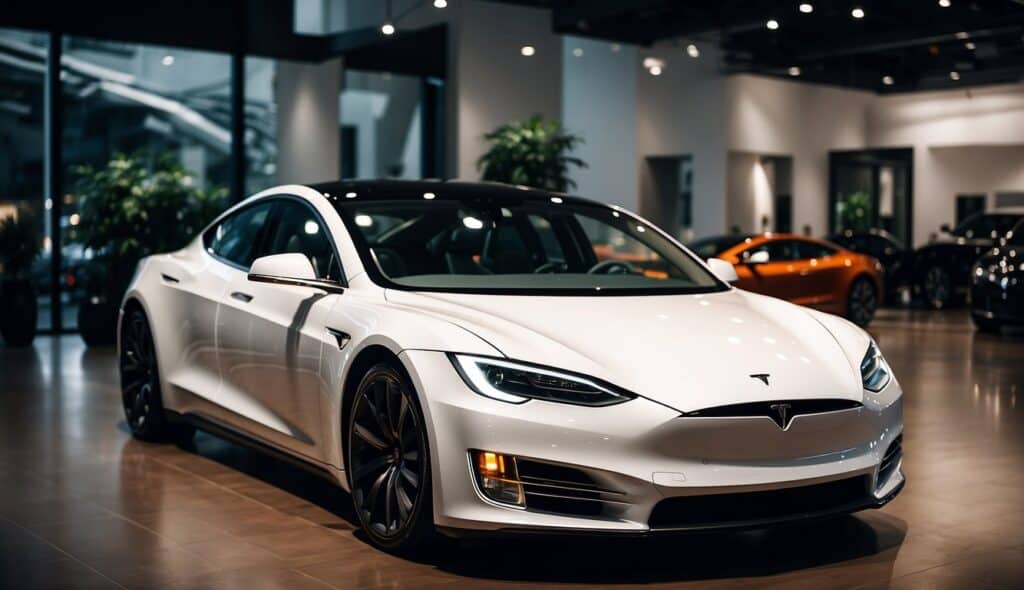
Tesla showrooms offer a chance to see different models in person, including the cheapest ones, and to book test drives.
However, customer service experiences can be mixed. Some owners report positive interactions, while others note delays in service appointments and communication issues. Potential buyers should consider these factors when considering the full ownership experience.
Check out How to Exit Theater Mode Tesla?
Future Prospects of Tesla Vehicles
Tesla continues to impress with its future plans. They focus on innovation, introducing new models, expanding globally, and effectively navigating policy impacts.
Innovation and Upcoming Models
Tesla is developing new electric vehicle (EV) models. One highly anticipated release is the Tesla Model 2, which aims to be a budget-friendly car priced around $25,000. This move can make Tesla more accessible to a broader audience.
There’s also excitement about an updated Tesla Model Y, known internally as ‘Tesla Juniper.’ This upcoming model will feature aesthetic updates like new bumpers and reshaped headlights, starting production in late 2024. These innovations are essential to maintain Tesla’s edge in the electric car industry.
Market Expansion and Global Strategy
Tesla continues to broaden its global reach. They focus on increasing their presence in key markets like China and Europe.
China is particularly vital due to its large EV market and growing demand for sustainable vehicles. Tesla faces competition from local manufacturers like BYD, known for their budget-friendly options.
Additionally, Tesla’s strategy includes building new Gigafactories in different parts of the world. Doing this ensures a steady supply of resources like copper and other essential materials. Such factories are expected to streamline production and reduce costs. This global strategy helps Tesla solidify its leading luxury car brand position.
Policy and Regulation Impact
Navigating policies and regulations is crucial for Tesla. The company closely monitors new legislation in different regions.
For example, various governments incentivize EV purchases to boost adoption, which benefits Tesla. Conversely, they must adapt to stringent safety and environmental regulations, which can be expensive.
In the United States, updated regulatory approval for Full Self-Driving (FSD) impacts Tesla’s market performance. These regulations require Tesla to adapt its technologies and invest more capital in research and development. These policy impacts are significant as they affect how Tesla positions its cars in different markets.
Conclusion
Tesla cars are known for their advanced technology and performance, but several factors contribute to their high cost.
- Battery Technology: The batteries are the most expensive part of the car. Tesla has been working to reduce these costs, yet they remain significant due to the research and development involved.
- Manufacturing Costs: Tesla invests heavily in its production process to maintain quality and efficiency. This includes automation and unique manufacturing techniques.
- Research and Development: Tesla’s commitment to innovation requires substantial spending on research and development. This continuous investment helps Tesla stay ahead in the electric vehicle market.
- Materials and Supply Chain: The materials used in Tesla cars, including rare metals for batteries, add to the overall expense. Supply chain challenges can also impact costs.
- Desired Profit Margins: Tesla aims to maintain healthy profit margins, which are factored into the final sale price. This approach ensures the company’s financial stability and growth potential.
- Market Positioning: Tesla positions itself as a premium brand, which allows it to set higher prices. This strategy aligns with its commitment to high performance and luxury features.
Also, check out:
Hi, I’m Marybeth, an electric car enthusiast living in New York in the USA. As the owner of electriccartalks.com, I love sharing my knowledge on EV tips, battery maintenance, and charging solutions. As a proud Tesla owner, I blend my personal experiences with professional insights to offer valuable information to fellow EV enthusiasts. Through my articles, I aim to empower others to make informed decisions about their electric vehicles. Read more